
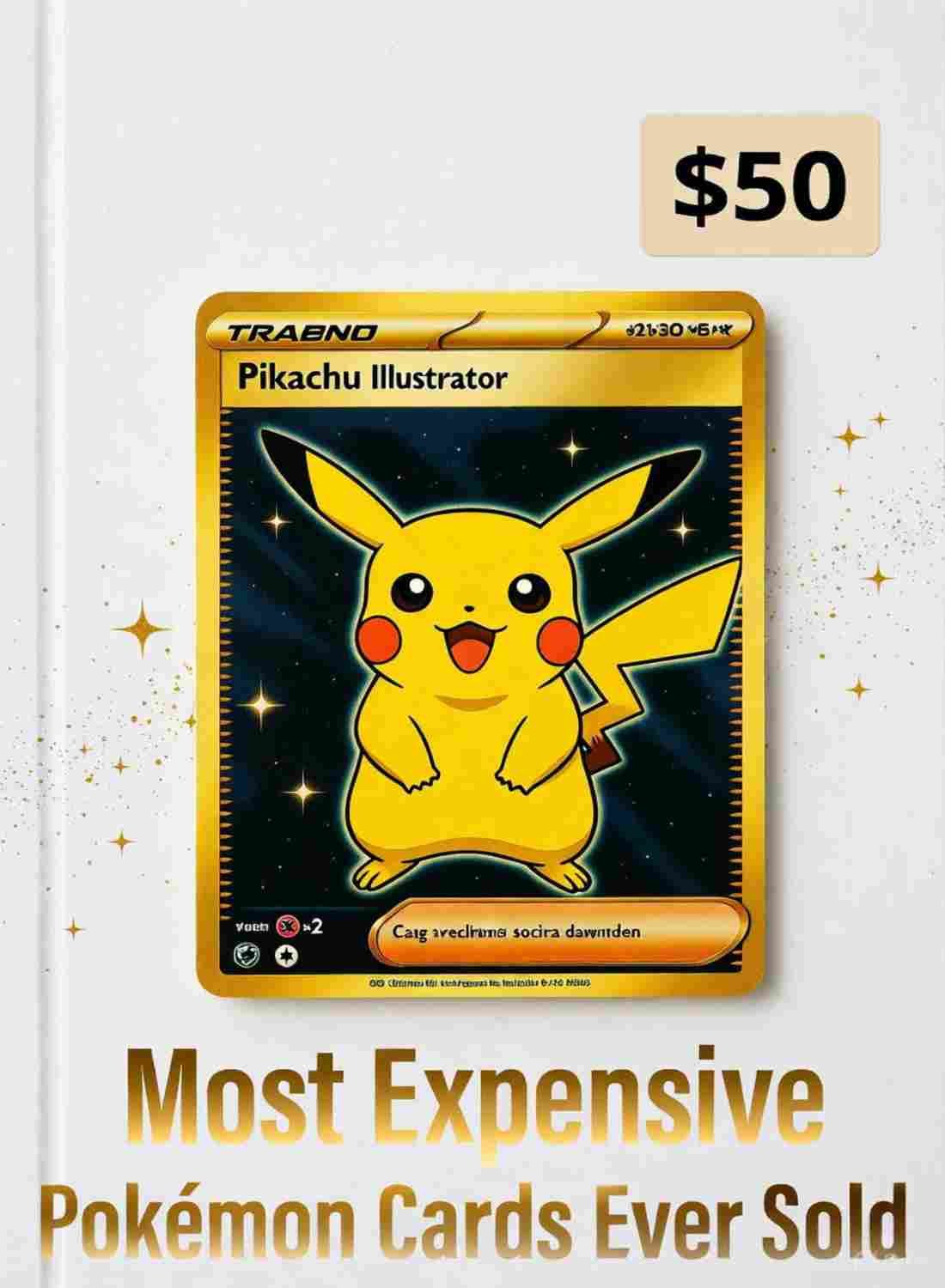
Most Expensive Pokémon Cards Ever Sold
The Billion-Dollar World of Pokémon Cards
Pokémon cards have come a long way since they first appeared in the late 1990s. What started as a game for children has grown into a global phenomenon and a serious hobby for collectors. Today, Pokémon cards are not just toys or game pieces. Some of the rarest cards have sold for hundreds of thousands or even millions of dollars. These sales have captured the attention of collectors and the general public alike. They show that Pokémon cards are now valuable assets and cultural icons.
Collectors often search for cards from the first sets, limited editions, or unique promotional releases. Over the years, certain cards have become legendary, not only for their rarity but also for their history and connection to the Pokémon franchise. Cards like Charizard, Pikachu Illustrator, and other special editions are instantly recognizable and highly sought after. Their value is driven by demand, condition, and the story behind each card.
The rise of online auctions and grading services has also transformed the market. Professional grading allows collectors to verify the condition and authenticity of a card, increasing buyer confidence and prices. Private collectors, celebrities, and investors all compete to own these cards. The attention these sales attract has fueled a broader interest in Pokémon card collecting, making it both a hobby and an investment.
In this blog, we will explore the most expensive Pokémon cards ever sold. We will examine why they are so valuable, highlight record-breaking sales, and provide insight into the world of high-end Pokémon card collecting. We will also look at other iconic cards and what makes them important in the history of Pokémon. By the end, readers will have a deeper understanding of the collectible Pokémon market and the fascinating stories behind these cards. This introduction sets the stage for a journey into the world of Pokémon collecting, showing how cards that once belonged in childhood binders are now considered treasures.
What Makes a Pokémon Card Valuable
Not all Pokémon cards are created equal. Some remain common and easy to find, while others become highly collectible and valuable. Several key factors determine the value of a Pokémon card. Rarity is the most obvious. Cards printed in limited numbers or as special editions are more likely to increase in value. Early sets, first editions, and promotional cards often fetch higher prices because fewer copies exist.
Condition is also crucial. Cards in mint or near-mint condition are worth far more than cards with scratches, bent corners, or worn edges. Professional grading services assess condition using strict standards and provide a grade that collectors can trust. Cards that receive a perfect score often sell for much higher amounts than ungraded or damaged cards.
Another factor is historical significance. Cards that were part of the original Pokémon releases or that have unique designs can become iconic. Holographic cards, which include shiny and reflective surfaces, are especially prized. Misprints or errors can also increase value because they are rare and unusual. Some collectors actively seek these mistakes, knowing that they are limited and difficult to find.
Finally, popularity of the Pokémon itself can influence card value. Charizard, Pikachu, and other fan-favorite Pokémon often command higher prices because demand is higher. Cards connected to tournaments or special events can also gain value over time. Understanding these factors helps collectors focus on cards that are more likely to be valuable and provides insight into why certain Pokémon cards achieve record-breaking prices.
Record-Breaking Pokémon Card Sales
Several Pokémon cards have made headlines for reaching extraordinary prices at auctions and private sales. Among them, the Pikachu Illustrator card is often considered the crown jewel. This card was awarded to winners of a Pokémon illustration contest in Japan and is extremely rare. Only a few copies are known to exist. It has sold multiple times for hundreds of thousands of dollars, reflecting both its scarcity and its cultural significance.
The 1st edition holographic Charizard is another famous example. Released in the original set, this card has become a symbol of Pokémon card collecting. Collectors prize the 1st edition because it is one of the earliest printed cards. In excellent condition, it has sold for over a hundred thousand dollars and continues to be a benchmark for card value.
Trophy and promotional cards are also notable for their high prices. Cards given as prizes in tournaments or as part of special promotions are produced in extremely limited numbers. Their rarity makes them highly sought after by collectors who want to own a unique piece of Pokémon history.
These record-breaking sales demonstrate that Pokémon cards are more than just collectibles. They are part of a cultural phenomenon that combines nostalgia, scarcity, and fan passion. Each card has a story, from the way it was produced to the journey it took to reach collectors around the world. Understanding these stories helps explain why Pokémon cards can command such high prices.
Iconic Pokémon Cards That Changed the Game
Beyond the most expensive cards, there are many Pokémon cards that are considered iconic in the collecting world. Shadowless cards, for example, are among the earliest prints of the original set and are missing a drop shadow next to the Pokémon illustration. This small design difference makes them rare and desirable.
Pre-release cards are another category that draws attention. These were printed in small quantities before the official release of a set and are often sought by collectors looking for unique items. Rare misprints also have a following. Cards with printing errors, color mistakes, or upside-down images are valued because they are unusual and difficult to find.
Collectors often share stories of acquiring these cards. Some have been passed down from childhood, while others were discovered in boxes of old cards or bought at auctions. Famous collectors have even built collections worth millions, showcasing cards that may not hold record-breaking prices but are historically significant.
These iconic Pokémon cards helped shape the market. They provide examples of why collectors are willing to pay high prices and demonstrate the depth of the hobby. Each card carries history and nostalgia, making it more than just a piece of cardboard. Understanding these iconic cards gives insight into the broader world of Pokémon collecting and why certain cards are considered legendary within the community.
Pokémon Cards as an Investment
Pokémon cards have evolved beyond a simple hobby. Many collectors now view them as an investment. Over the years, certain cards have appreciated significantly in value, turning childhood collectibles into profitable assets. The rise of online marketplaces and professional grading services has helped create a more transparent market. Graded cards, with verified condition and authenticity, often sell for much higher prices than ungraded ones.
Investing in Pokémon cards requires understanding several factors. Rarity is key. Cards printed in small numbers or as part of special sets are more likely to increase in value. Condition is equally important. Cards with no scratches, dents, or discoloration retain their worth, and high grades can multiply a card’s market value. Popular Pokémon also attract attention. Cards featuring Charizard, Pikachu, or other fan favorites often appreciate faster due to demand.
Collectors treat Pokémon cards like other alternative investments. Some compare them to art, rare coins, or vintage toys. Auctions provide insight into current market trends, showing which cards are rising in value. Watching the market helps investors decide when to buy or sell. Many collectors hold onto cards for years, believing their rarity and cultural significance will increase their worth over time.
Tournaments and promotional cards add another layer to investment potential. Cards distributed as prizes or part of limited events are rare and highly coveted. Even small variations or misprints can create unexpected value. Over time, these factors combine to make Pokémon card collecting a sophisticated market. Collectors who understand these dynamics can make informed decisions and enjoy both the excitement of the hobby and potential financial rewards.
Celebrity and Influencer Influence
Celebrities and social media influencers have played a large role in shaping the Pokémon card market. When high-profile collectors purchase rare cards, it draws public attention and can boost prices. Popular figures often showcase their collections online, inspiring fans to start or expand their own collections. Viral videos, photos, and auctions attract new buyers, increasing demand for rare Pokémon cards.
Several celebrity purchases have made headlines. Cards owned by famous personalities are often resold at a premium, as collectors are willing to pay extra for items with a notable provenance. Influencers also provide advice, unboxings, and reviews, educating followers about the hobby. This exposure has helped turn Pokémon card collecting into a mainstream interest rather than a niche activity.
The impact of influencers extends to modern cards as well. Social media trends can quickly increase demand for certain sets or editions. When collectors see a particular card featured in popular content, they are more likely to search for it and pay higher prices. This cycle of visibility and desirability has changed the way collectors approach the market.
Celebrity and influencer influence also creates excitement around auctions and sales. Cards that might have gone unnoticed receive attention, and buyers compete to acquire them. This competition can drive record-breaking sales and make certain cards legendary not only for their rarity but also for their cultural relevance. Pokémon card collecting has become a mix of nostalgia, investment, and social engagement, fueled by the presence of well-known collectors and online personalities.
Tips for Collectors Seeking High-Value Cards
Collecting rare Pokémon cards requires knowledge, patience, and careful attention to detail. One of the first steps is verifying authenticity. Fake or counterfeit cards exist, and experienced collectors always check for genuine prints, official trademarks, and other distinguishing features. Using professional grading services adds another layer of confidence.
Protecting card condition is also critical. Cards should be stored in sleeves or protective cases, kept away from sunlight and moisture, and handled minimally. Even slight damage can reduce a card’s value significantly. Regularly reviewing and organizing collections helps maintain condition and makes it easier to track valuable cards.
Understanding market trends is important for both buying and selling. Collectors should observe recent sales, monitor auctions, and pay attention to the popularity of certain Pokémon. Participating in collector communities provides insight, advice, and opportunities to acquire rare cards. Networking with other collectors can lead to trades or purchases that might otherwise be difficult to find.
Investors and hobbyists alike should focus on cards with historical significance, rarity, or unique features such as misprints or tournament editions. Patience is essential. Some cards take years to gain value, and rushing purchases can lead to mistakes. Combining careful research, proper storage, and knowledge of trends allows collectors to build a collection that is both enjoyable and potentially profitable over time.
The Future of Pokémon Card Collecting
The world of Pokémon card collecting continues to evolve. Digital marketplaces and online auctions have expanded access to rare cards, connecting collectors worldwide. Modern Pokémon sets, online events, and digital trading cards are creating new opportunities for collectors and investors. Cards that are limited or part of exclusive promotions may become valuable in the future, just like vintage cards today.
Digital Pokémon cards are becoming increasingly popular. They allow collectors to trade, display, and verify cards without worrying about physical damage. As interest grows, digital editions could hold significant value alongside traditional cards. Some collectors already view rare digital releases as long-term investments, mirroring trends in physical card collecting.
The future also includes community-driven initiatives. Social media, collector forums, and events continue to foster interest and provide opportunities to learn and trade. New collectors are constantly entering the hobby, inspired by both nostalgia and potential investment opportunities. Established collectors can also continue to expand their collections with modern releases, keeping the hobby dynamic and evolving.
As the Pokémon card market grows, the lessons from past record-breaking sales remain relevant. Understanding rarity, condition, and demand helps collectors make informed decisions. Whether for nostalgia, investment, or enjoyment, Pokémon card collecting remains a fascinating and rewarding pursuit. The hobby continues to celebrate the history and culture of Pokémon, while also embracing innovation and new opportunities for collectors around the world.