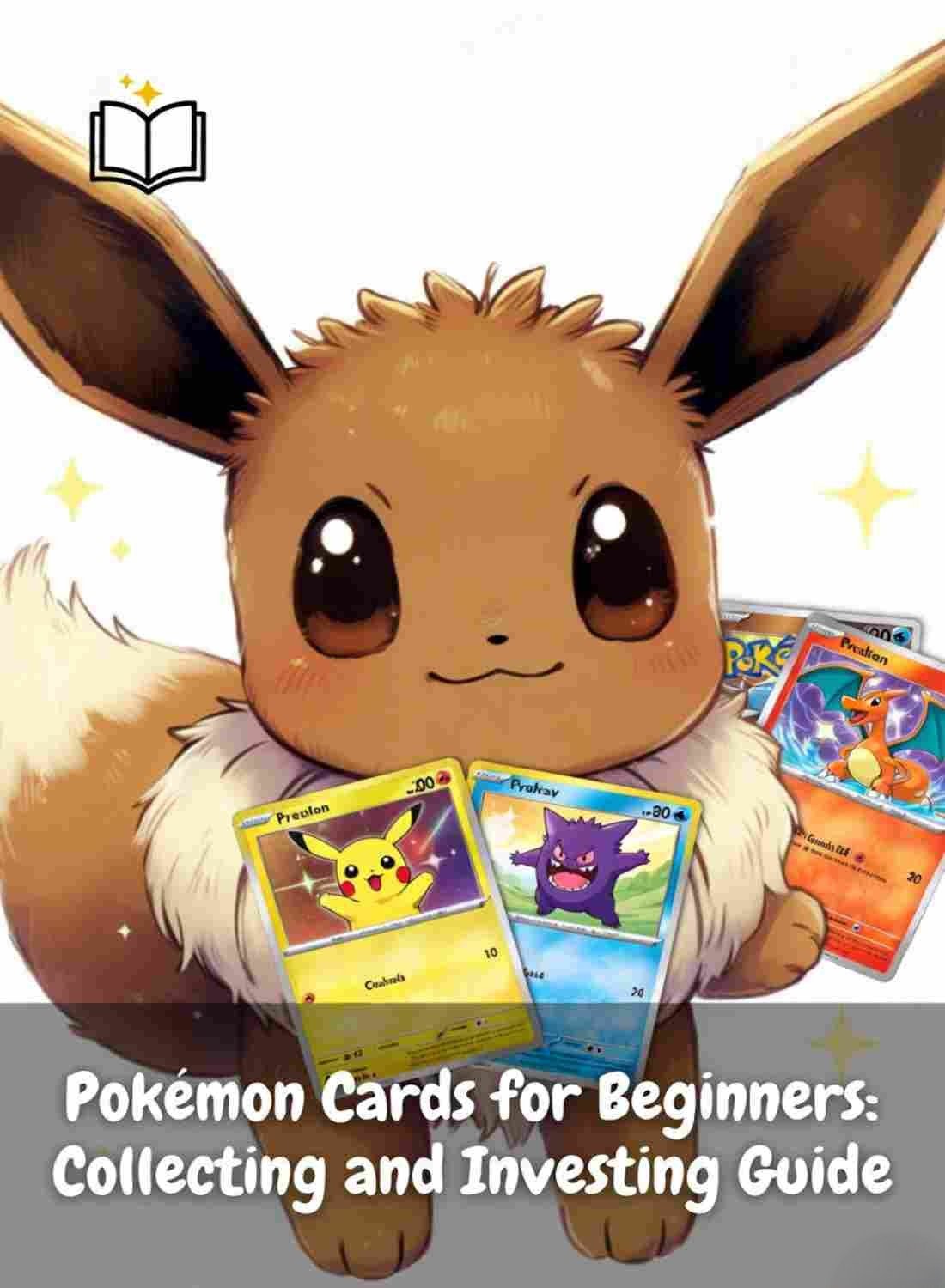
Pokémon Cards for Beginners: Collecting and Investing Guide
Why Pokémon Cards Are More Than Just a Game
Pokémon cards have captured the hearts of millions around the world. They are more than just game pieces. For many, Pokémon cards are a hobby that combines strategy, nostalgia, and the joy of collecting. For others, they are an investment opportunity with real value. Collecting Pokémon cards allows fans to connect with their favorite Pokémon while learning about card rarity and market trends. Whether you grew up with the Pokémon anime or are discovering the cards for the first time, there is a thrill in opening a booster pack and finding a rare card.
Pokémon cards are part of the Pokémon Trading Card Game, often abbreviated as Pokémon TCG. The game itself involves building a deck of cards with Pokémon, energy, and trainer cards to battle opponents. While playing the game can be fun, many collectors focus on the cards as a form of memorabilia. Cards can hold sentimental value, especially if they feature iconic Pokémon like Pikachu, Charizard, or Mewtwo. Over the years, some cards have become highly sought after, with collectors willing to pay thousands of dollars for rare editions.
For beginners, understanding Pokémon cards is the first step toward enjoying the hobby and making smart investment decisions. This guide will cover everything from the history of Pokémon cards to how to identify valuable ones, build a collection, and store cards safely. It will also touch on market trends and strategies for trading or selling cards. By the end of this guide, you will know how to start your Pokémon card collection and appreciate its potential as both a fun hobby and a valuable investment.
Starting now is ideal. The Pokémon card market continues to grow, and new collectors can find rare cards that may increase in value over time. Whether your goal is to enjoy the game, collect your favorite Pokémon, or invest in valuable cards, understanding the fundamentals will help you make informed choices. Pokémon cards are more than a pastime. They are a community, a game, and a growing investment opportunity. Getting started is easy and rewarding.
A Brief History of Pokémon Cards
The Pokémon Trading Card Game was first introduced in Japan in 1996. It quickly became popular, combining collectible cards with the Pokémon video game and anime universe. The original Base Set included some of the most iconic Pokémon cards, including the first holographic Charizard, which is still one of the most valuable Pokémon cards today. When Pokémon TCG expanded globally, collectors and players alike embraced the game. Over time, expansions introduced new Pokémon, special editions, and rare promotional cards that increased the excitement of collecting.
First edition cards are some of the most sought-after items in the Pokémon card world. These cards often have unique stamps or markings indicating that they are from the first print run of a set. Collectors value them for their rarity and historical significance. Holographic cards, which have a shiny foil background, are also highly prized. Certain promotional cards released for events, tournaments, or special occasions can become valuable over time.
The history of Pokémon cards shows how a simple trading card game became a worldwide phenomenon. Collectors now look for specific sets, rare cards, and cards in excellent condition. Understanding the history helps beginners identify which cards may be valuable in the future. Cards from older sets, like Base Set, Jungle, and Fossil, often have higher prices than modern releases.
Knowing the origins of Pokémon cards also adds context to collecting. Each card represents a piece of Pokémon history, connecting fans to the early days of the franchise. For beginners, learning about the Base Set and other early expansions is essential. It helps build a foundation for collecting, playing, and investing in Pokémon cards. History is not just about old cards. It helps guide decisions about which cards are worth collecting and preserving.
Types of Pokémon Cards Every Beginner Should Know
Pokémon cards are divided into several main types. The three basic types are Pokémon, Trainer, and Energy cards. Pokémon cards feature creatures from the Pokémon universe, each with unique abilities, attacks, and health points. Trainer cards help players during the game by providing support or special effects. Energy cards are necessary to power Pokémon attacks and are a critical part of deck building. Understanding these types is important whether you plan to play the game or focus on collecting.
There are also special Pokémon cards that are rarer and more valuable. GX, V, and VMAX cards represent more powerful Pokémon with unique artwork. Secret Rare cards are highly limited and often feature holographic or foil designs. Some promotional cards are available only through events, tournaments, or special releases. These cards are highly sought after by collectors and can increase in value over time.
Rarity is a key factor in identifying valuable cards. Common cards are easy to find, while uncommon and rare cards are harder to obtain. Ultra-rare cards are the most collectible, often featuring unique artwork or special abilities. Knowing how to read a card’s set symbol and rarity indicator helps beginners quickly identify which cards are valuable. For example, the star symbol indicates a rare card, while a hollow star or special icon may indicate an ultra-rare or secret rare.
Some iconic Pokémon cards are worth noting for beginners. Charizard, Pikachu, Mewtwo, and Eevee cards are popular and often have higher value. Collectors may focus on these cards first when starting their collection. Understanding the types and rarity levels helps beginners plan their collection strategically and avoid overpaying for common cards. Learning the difference between standard Pokémon, special GX or V cards, and rare promos is a foundation for collecting and investing in Pokémon cards.
How to Identify Rare and Valuable Pokémon Cards
Not all Pokémon cards are equally valuable. Some cards are rare due to limited print runs, promotional releases, or first edition status. Collectors look for factors such as rarity, condition, age, and popularity of the Pokémon to determine a card’s value. Limited edition cards often include special symbols or stamps that indicate their exclusivity. First prints of a set, particularly from older expansions, are more sought after than later prints.
Card condition is also critical. Cards that are in mint or near-mint condition are worth significantly more than cards that are bent, scratched, or damaged. Professional grading services like PSA and Beckett evaluate card condition, authenticity, and rarity. A graded card with a high score can sell for much more than an ungraded card. For beginners, understanding grading is essential for both buying and selling cards.
Popularity of the Pokémon character can influence value. Iconic Pokémon such as Charizard, Pikachu, and Mewtwo often have higher demand. Cards featuring these Pokémon, especially older versions or special editions, are highly sought after. Promotional cards released at events or as part of limited sets also tend to be more valuable than regular releases.
Avoiding counterfeit cards is another important skill. Some rare Pokémon cards are often replicated and sold as genuine. Beginners should check card details, holographic patterns, and font consistency to ensure authenticity. Researching recent sales and consulting reputable sellers can also help identify valuable cards.
Learning to identify rare and valuable cards allows beginners to make smarter decisions when building a collection. By understanding rarity, condition, and demand, collectors can focus on cards that hold both sentimental and monetary value. Over time, this knowledge helps beginners develop a collection that is enjoyable to play with, display, and potentially invest in.
Great! Here are sections 5–8 of your blog, each around 400 words, keeping the focus on Pokémon, beginner-friendly, and rich in details.
Understanding Pokémon Card Conditions and Grading
When it comes to Pokémon cards, condition matters as much as rarity. A card in perfect condition can be worth several times more than the same card with scratches or bent edges. Collectors use terms like mint, near mint, excellent, and poor to describe card condition. Mint cards are flawless and look as if they were just printed. Near mint cards may have tiny imperfections but remain highly valuable. Excellent or lightly played cards show minor wear, while poor cards may have significant damage, reducing their worth.
Professional grading is a way to objectively assess a card’s condition and authenticity. Organizations like PSA (Professional Sports Authenticator) and Beckett Grading Services assign a numerical score to cards, usually from 1 to 10. A card graded 10 is considered gem mint, meaning it is in perfect condition. Graded cards are often encased in protective plastic to preserve their condition and make them easier to buy, sell, or trade.
Grading is particularly important for older or highly sought-after Pokémon cards. For example, a first edition holographic Charizard with a PSA 10 grade can sell for tens of thousands of dollars. For beginners, grading may seem intimidating, but it is a valuable tool to understand how much a card is worth and to protect your investment. It also makes trading and selling easier since buyers can trust the card’s condition.
Even if you do not submit your cards for grading immediately, knowing the condition categories helps with buying and selling. Always handle cards carefully to avoid damage. Use clean hands or wear gloves, and avoid bending or scratching the surface. Store cards in sleeves, top loaders, or binders to prevent wear. Understanding conditions and grading allows beginners to make informed decisions, ensuring their collection remains in top shape while retaining value over time.
Building Your Pokémon Card Collection Strategically
Starting a Pokémon card collection is exciting, but having a plan helps you grow it efficiently. Beginners should first decide their goal. Some collectors focus on cards they personally enjoy, like their favorite Pokémon. Others collect for investment, prioritizing rare or first edition cards. Many collectors balance both, creating a collection that is fun to display and has long-term value.
Organizing your collection is key. Cataloging cards by type, set, and rarity helps you keep track of what you own and identify gaps in your collection. Beginners may want to start with smaller goals, such as completing a single set or acquiring a few rare cards. Booster packs are a fun way to discover cards randomly, but buying singles ensures you get the cards you want without spending unnecessarily.
Consider the long-term value of your collection. Popular Pokémon like Charizard, Pikachu, Mewtwo, and Eevee tend to hold or increase in value. Limited edition, holographic, or first edition cards often appreciate over time. For beginners, combining personal favorites with high-value cards creates a balanced collection that grows in both enjoyment and potential investment.
Patience is essential. A Pokémon card collection develops over time, and buying too quickly or without research can lead to overpaying or acquiring less valuable cards. Joining local or online Pokémon communities can provide guidance, trading opportunities, and tips for expanding your collection. Strategic collecting ensures that your Pokémon card collection is meaningful, enjoyable, and potentially profitable in the future.
Where and How to Buy Pokémon Cards Safely
Buying Pokémon cards is exciting, but beginners need to be cautious to avoid scams or counterfeit cards. Cards are available in various places, including local game stores, online marketplaces like eBay, and specialty trading communities. Each option has benefits and risks. Local stores allow hands-on inspection, while online platforms offer a wider selection and rare finds.
Understanding pricing is essential. Compare prices across multiple sellers to ensure you are paying a fair amount. Rare cards, first edition prints, and holographic cards typically cost more. Avoid deals that seem too good to be true, as counterfeit cards are common. Checking seller reviews and researching recent sales of the same card can help ensure a safe purchase.
For online buying, verify the authenticity of the card. Examine photos carefully, noting the card’s condition, holographic features, and set symbols. Sellers who provide clear close-up images and offer return policies are more reliable. Auction sites can be useful for rare cards, but always set a budget and avoid overbidding in the heat of the moment.
Trading communities and events offer another way to acquire Pokémon cards safely. These communities allow collectors to trade duplicates or rare finds with other enthusiasts. Beginners can learn from experienced collectors about card value, trends, and storage practices. No matter where you buy, research and caution help you build your collection safely while avoiding scams. By learning safe buying practices, beginners can confidently expand their Pokémon card collection without unnecessary risk.
Storing and Protecting Your Pokémon Cards
Proper storage is vital for preserving Pokémon cards. Cards that are damaged or exposed to poor conditions lose value quickly. Beginners should use protective sleeves to shield each card from scratches and fingerprints. Top loaders provide rigid protection, especially for rare or holographic cards. Binders or storage boxes help organize collections while keeping cards safe from bending or environmental damage.
Environmental factors can affect card condition. Humidity can warp cards, while sunlight can fade the artwork and holographic surfaces. Store cards in a cool, dry place away from direct sunlight. Avoid areas where they might be exposed to moisture, heat, or pressure. Keeping your cards in controlled conditions preserves their appearance and long-term value.
Handle cards carefully to maintain their quality. Always touch the edges, not the front surface, and avoid sliding cards across rough surfaces. For high-value cards, consider gloves or extra protective cases. Regularly inspect your collection to ensure that storage conditions remain optimal.
Proper storage protects both sentimental and monetary value. Beginners who invest in sleeves, top loaders, and organized storage will enjoy their collection longer and maintain its appeal. By taking these precautions early, you create a foundation for a well-preserved Pokémon card collection that can grow, be displayed, or even sold for profit in the future.
Understanding Pokémon Card Market Trends
The value of Pokémon cards can change over time, and understanding market trends is important for beginners who want to invest or make strategic purchases. The Pokémon card market is influenced by several factors, including the popularity of certain Pokémon, limited edition releases, and collector demand. Cards featuring iconic Pokémon like Charizard, Pikachu, and Mewtwo often maintain or increase in value due to high demand.
Special events, anniversaries, and promotional releases can also affect prices. For example, a card released during a Pokémon anniversary may become a collector’s item. Limited edition cards, first prints, and holographic cards typically appreciate faster than common cards. Knowing which sets are likely to become valuable helps beginners prioritize their purchases.
Market trends can also be influenced by the general interest in Pokémon as a franchise. Movies, video games, and new Pokémon series can increase the popularity of certain Pokémon, driving demand for their cards. Watching recent sales on auction sites, marketplaces, or online forums gives insights into which cards are trending. For beginners, observing trends without rushing to buy is crucial. Patience allows you to spot cards that have potential for growth in value rather than following every market hype.
Another factor is the condition and grading of cards. A mint or professionally graded card will almost always sell for more than a similar ungraded card. When collecting or investing, tracking the market value of graded versus ungraded cards is important. Keeping an eye on trends and knowing when to buy or hold can make your collection both enjoyable and potentially profitable.
Understanding Pokémon card market trends helps beginners make informed decisions. By focusing on popularity, rarity, and timing, collectors can build a collection that grows in value over time. Monitoring trends, combined with knowledge of card types and conditions, gives beginners a solid foundation for collecting and investing in Pokémon cards.
Tips for Selling or Trading Pokémon Cards
Selling or trading Pokémon cards is an important skill for collectors. Beginners should understand that not every card needs to be sold immediately. Some cards may increase in value if held over time. Others can be traded to fill gaps in your collection or acquire rare cards you desire. Knowing the right time to sell or trade is part of building a strategic collection.
When selling, choose reputable marketplaces or auction platforms. Online platforms like eBay or specialized Pokémon card websites provide access to buyers worldwide. Ensure that your cards are accurately described, include clear photos, and mention condition or grading. Transparency builds trust and helps you get fair value for your cards.
Trading can also be beneficial. Local Pokémon communities, conventions, or online groups allow collectors to exchange duplicates or acquire specific cards. Always follow trading etiquette, such as offering fair value and respecting the other collector. For beginners, trading is an opportunity to learn card values, connect with the community, and gradually improve your collection.
Keep an eye on market prices before selling or trading. Research recent sales of the same card in similar condition or with comparable grading. This prevents overpaying or undervaluing cards. For high-value cards, professional grading may increase trust and selling price. Beginners can start by selling common or mid-value cards to practice listing and trading, then move on to rare and graded cards.
Understanding selling and trading strategies ensures that your Pokémon card collection remains dynamic. Proper timing, accurate pricing, and engagement with the collector community all contribute to maintaining a valuable and enjoyable collection.
Mistakes to Avoid for Beginner Collectors
Beginners often make common mistakes when starting a Pokémon card collection. One of the biggest mistakes is buying too quickly without research. Collectors may overpay for common cards or fall for trends that do not hold long-term value. Researching card rarity, demand, and recent sales helps avoid these errors.
Another mistake is ignoring card condition. Buying damaged cards without understanding their reduced value can be costly. Always check the edges, surface, and corners, and consider professional grading for valuable cards. Handling and storing cards incorrectly can also reduce their value over time. Sleeves, top loaders, and proper storage are essential to maintain condition.
Counterfeit cards are a significant risk. Some rare cards are reproduced and sold as genuine. Beginners should learn to spot inconsistencies in holographic patterns, fonts, or card edges. Consulting trusted sellers or online guides can help identify authentic cards.
Focusing only on investment is another common error. Pokémon cards are meant to be enjoyed, and a purely financial approach may reduce the fun of collecting. Balancing personal enjoyment with investment potential creates a sustainable hobby. Avoid chasing every market hype, as it can lead to overspending or disappointment.
By avoiding these mistakes, beginners can build a collection that is enjoyable, valuable, and well-maintained. Careful research, proper handling, and a balanced approach ensure long-term success in collecting and investing in Pokémon cards.
Conclusion: Starting Your Pokémon Card Journey
Pokémon cards offer a unique combination of fun, nostalgia, and potential investment. Collecting them allows you to connect with the Pokémon universe while learning about card types, rarity, and market trends. For beginners, the key is to start with knowledge and a strategy. Understanding the history, types, and condition of cards helps make informed choices and avoid costly mistakes.
A strategic collection balances personal favorites with valuable cards that may appreciate over time. Proper storage, careful handling, and attention to market trends help protect your collection. Joining local or online communities provides guidance, trading opportunities, and a sense of connection with other collectors.
Whether your goal is to enjoy the game, display rare cards, or invest in valuable editions, starting today gives you an advantage. Observe trends, focus on condition, and make decisions based on research. Every card you collect tells a story and becomes part of your personal Pokémon journey.
Begin your collection now. Explore local stores, buy booster packs or singles online, and gradually build a Pokémon card collection that is enjoyable, educational, and potentially profitable. Pokémon cards are more than a hobby. They are a community, a game, and an investment in a world full of iconic creatures and memories. Starting your journey today ensures that your Pokémon card collection is both rewarding and exciting.