Pokémon for Kids: Why Pokémon Is Still Popular Today
Why Pokémon Still Captures Kids’ Hearts Today
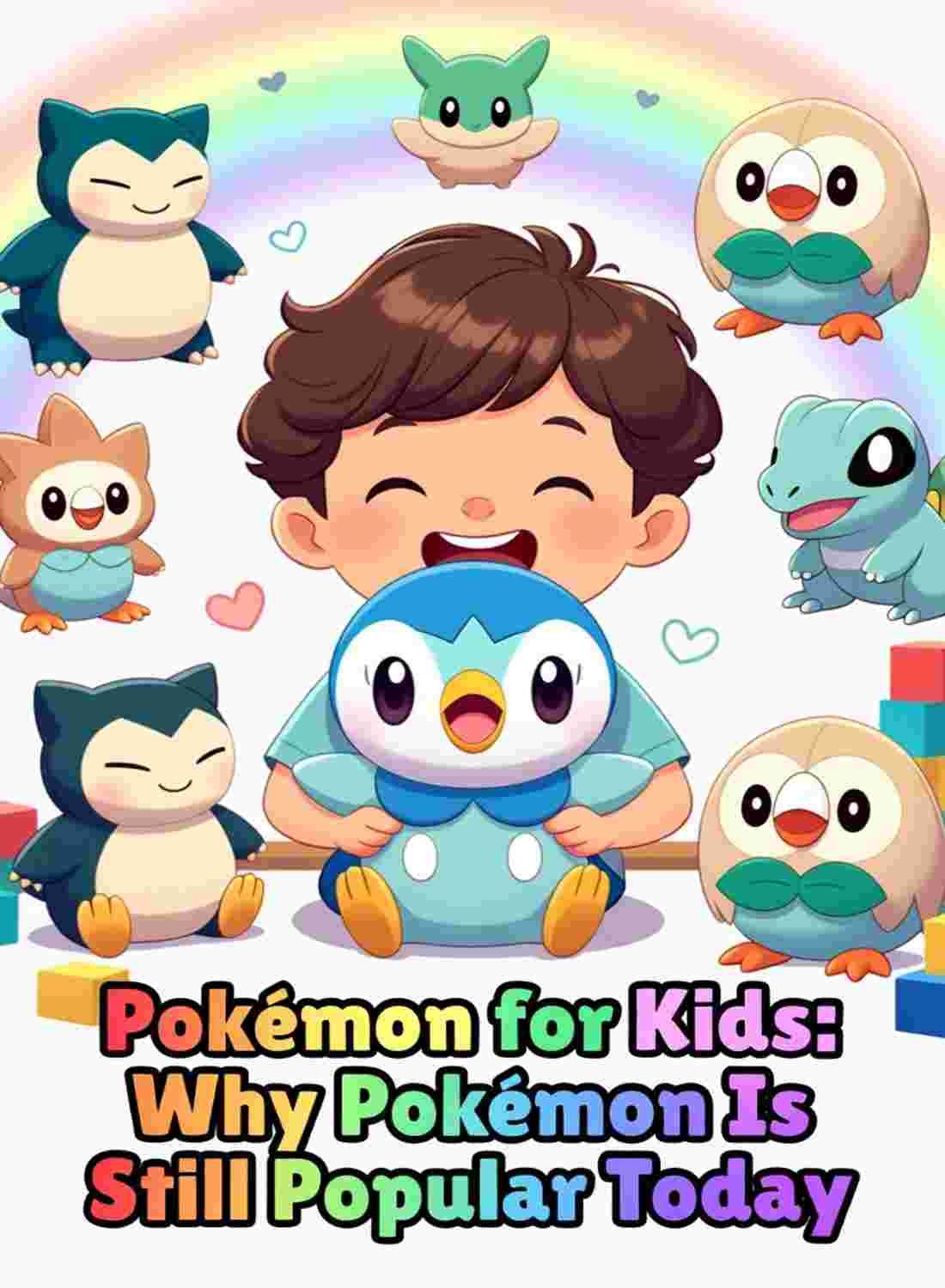
Pokémon for kids is more than a trend. It is a global phenomenon that has stayed popular for over two decades. Even today, children who were not born when Pokémon first appeared quickly fall in love with its colorful creatures and exciting adventures. This lasting appeal raises an important question. Why is Pokémon still popular today among kids?
Pokémon began as a simple game idea where players caught creatures and trained them. Over time, it grew into a full entertainment universe. Games, cartoons, movies, cards, and toys all work together to create a world kids want to explore. For many children, Pokémon is their first introduction to fantasy worlds that feel structured, safe, and rewarding.
One reason Pokémon for kids works so well is that it feels welcoming. Kids do not need advanced skills to start. They can choose a Pokémon, learn the basics, and begin their journey right away. The sense of discovery is constant. New P“okémon, new locations, and new challenges keep children curious and excited.
Pokémon also feels timeless. Parents who grew up with Pokémon often introduce it to their children. This shared experience makes Pokémon special. It becomes something families can enjoy together. Kids see Pokémon as fun and exciting, while parents see it as familiar and trustworthy.
In this blog, you will learn why Pokémon continues to succeed with younger generations. We will explore how Pokémon creates imagination, teaches basic skills, supports emotional growth, and adapts to modern times without losing its core identity. Pokémon is not just entertainment. It is a meaningful part of childhood for millions of kids around the world.
Pokémon Is More Than a Game. It Is a Whole World for Kids
Pokémon for kids works because it offers more than simple gameplay. It introduces children to a complete world filled with creatures, regions, and stories. Every Pokémon game or show feels like stepping into a living universe where everything has a purpose and place.
Kids love imaginary worlds that follow clear rules. The Pokémon universe does this very well. Pokémon live in specific environments. Some prefer water, others forests, mountains, or cities. Gyms, trainers, and Pokémon Centers create a structure that is easy for kids to understand. This makes the Pokémon world feel believable and safe.
Each Pokémon has its own design, abilities, and personality. Some Pokémon are cute and friendly. Others look strong or mysterious. This variety allows kids to find Pokémon they connect with personally. Choosing favorite Pokémon helps children feel involved and invested in the experience.
Collecting Pokémon is another major reason Pokémon is popular today. Kids enjoy catching Pokémon and building their own teams. This gives them a sense of ownership. Their team reflects their choices and preferences. It feels personal and rewarding.
Over time, children form emotional connections with their Pokémon. Training a Pokémon, helping it grow stronger, and watching it evolve creates a bond. Kids feel proud of their progress. This emotional attachment keeps them engaged longer than many other games.
The Pokémon universe encourages imagination. Kids imagine themselves as trainers traveling through regions, meeting new Pokémon, and facing challenges. This type of play supports creativity and storytelling in a natural way.
Colorful Pokémon Characters That Spark Imagination
Pokémon characters are a major reason Pokémon for kids remains so popular. Visual design matters greatly to children, and Pokémon understands this well. Each Pokémon is designed to be memorable, expressive, and easy to recognize.
There are Pokémon for every type of personality. Some are cute and playful. Others look powerful or brave. Some are funny, while others appear calm and wise. This wide range allows kids to connect with Pokémon that match their own feelings and interests.
Iconic Pokémon like Pikachu play a big role in attracting kids. Pikachu’s friendly appearance and cheerful personality make it instantly appealing. Starter Pokémon also create strong connections. Choosing a first Pokémon feels special and meaningful to children.
Pokémon designs also inspire creativity. Many kids enjoy drawing Pokémon or imagining their own new ones. The simple shapes and clear features make Pokémon easy to recreate. This encourages artistic expression and creative thinking.
Kids often see themselves in Pokémon. A shy child may like a gentle Pokémon. An energetic child may prefer a fast and strong one. This identification helps children feel understood and represented.
Because Pokémon characters are consistent across games, shows, and cards, kids build familiarity quickly. Recognizing Pokémon builds confidence and excitement. This strong character design is a key reason Pokémon characters continue to spark imagination for kids today.
Easy Gameplay That Makes Pokémon Perfect for Kids
Pokémon games for kids are designed to be easy to learn and enjoyable to play. This beginner friendly approach helps children feel confident from the start. Simple controls and clear instructions allow kids to focus on fun instead of frustration.
The learning curve in Pokémon games is gradual. New features are introduced step by step. Kids are not overwhelmed. They learn how to battle, catch Pokémon, and explore at a comfortable pace.
Turn based battles teach kids how to think before acting. Players choose moves and consider outcomes. This helps develop basic decision making skills. There is no pressure to react quickly, which makes Pokémon less stressful than many other games.
Progress in Pokémon feels rewarding. Pokémon gain experience, level up, and evolve. Each improvement feels earned. Kids enjoy seeing the results of their effort. This sense of progress keeps them motivated.
Pokémon games rarely punish mistakes harshly. If a battle is lost, players can try again. This encourages learning without fear. Kids feel safe experimenting and improving.
Because Pokémon balances challenge and accessibility, it remains one of the best game experiences for children. The gameplay supports enjoyment, confidence, and steady growth, which explains why Pokémon is still popular today.
Pokémon Helps Kids Learn Without Feeling Like Learning
One of the strongest benefits of Pokémon for kids is learning through play. Children develop important skills without realizing they are learning.
Battles and exploration involve problem solving. Kids choose moves, manage teams, and adapt strategies. These actions improve logical thinking in a fun way.
Planning is another key skill. Kids decide which Pokémon to train and when to evolve them. This teaches patience and goal setting. Progress takes time, which helps children understand delayed rewards.
Pokémon games include reading, numbers, and simple math. Kids read dialogue, compare stats, and track progress. These small learning moments add up over time.
Pokémon makes learning enjoyable. There is no pressure or formal instruction. Kids stay engaged because the experience feels like play. This is why Pokémon remains a positive and educational choice for children today.
`Below are the next four sections (5 to 8) of the blog. Each section is written in a straightforward, clear style, focused strongly on Pokémon, with around 400 words per section, short paragraphs, and clean flow. No em dashes or dramatic punctuation are used.
Pokémon Teaches Positive Values and Life Lessons
Pokémon for kids is not only about fun and games. It also teaches important values that support emotional and social growth. These lessons are shared naturally through stories, gameplay, and character interactions.
One of the strongest themes in Pokémon is friendship. Trainers care for their Pokémon, and Pokémon trust their trainers. Kids see that success comes from working together rather than acting alone. Battles are not just about winning. They are about understanding strengths, supporting teammates, and improving together.
Perseverance is another key lesson. In Pokémon games and shows, progress takes time. Trainers face losses, train harder, and try again. This teaches kids that failure is part of learning. Giving up is never the answer. Effort and patience lead to growth.
Pokémon also teaches respect and fair play. Battles follow clear rules. Trainers respect each other even when competing. Kids learn that competition can be healthy when it is respectful and honest. This message is important for developing sportsmanship at a young age.
Helping others is a recurring theme in Pokémon stories. Trainers often assist people and Pokémon in need. These moments show kindness and responsibility. Kids learn that being strong also means being caring.
Because Pokémon presents these values in a gentle and positive way, parents feel comfortable allowing their children to engage with it. Pokémon does not rely on harsh behavior or negative messages. Instead, it reinforces kindness, effort, and cooperation. These positive lessons are a major reason Pokémon remains trusted and popular with kids today.
Pokémon Shows and Movies Keep Kids Emotionally Connected
The Pokémon animated series and movies play a major role in keeping Pokémon popular with kids. Visual storytelling helps children form emotional connections with characters and Pokémon in ways that games alone cannot.
Pokémon shows are easy for kids to follow. Stories are clear, episodes are engaging, and lessons are simple. Children understand the goals and challenges without confusion. This accessibility makes Pokémon cartoons appealing to a wide age range.
Characters grow over time, which helps kids relate to them. Trainers learn from mistakes, build stronger bonds with Pokémon, and mature through experience. Kids see characters face problems and overcome them, which feels relatable.
The bond between trainers and Pokémon is central to the stories. Pokémon are not treated as tools. They are partners and friends. This emotional connection teaches kids empathy and responsibility.
Pokémon movies often focus on bigger themes like sacrifice, trust, and courage. These ideas are presented in ways children can understand. Emotional moments stay memorable without becoming overwhelming.
Because Pokémon shows and movies are consistent with the games, kids feel immersed in one connected world. Familiar Pokémon appear across formats, strengthening attachment. This emotional connection keeps kids interested in Pokémon for years rather than weeks.
Pokémon Cards Encourage Social Skills and Offline Play
Pokémon cards for kids add another important layer to the Pokémon experience. Trading and playing with cards encourages face to face interaction and social learning.
Collecting Pokémon cards gives kids clear goals. Completing sets or finding favorite Pokémon teaches patience and organization. Kids learn that collecting takes time and effort.
Trading cards is a social activity. Kids communicate, negotiate, and learn to share. They understand fairness and value. These skills are useful beyond the game itself.
Playing the Pokémon Trading Card Game introduces rules and structure. Kids follow instructions, take turns, and respect outcomes. This supports discipline and focus.
Pokémon cards also offer a break from screens. Children gather, trade, and play in person. This balance is important for healthy play habits.
Because Pokémon cards combine fun, learning, and social interaction, they remain popular with kids and parents alike.
Pokémon GO and Modern Games Keep Pokémon Relevant
Pokémon GO and newer Pokémon games show how Pokémon adapts to modern times while staying true to its roots. This adaptability keeps Pokémon exciting for today’s kids.
Pokémon GO encourages outdoor activity. Kids walk, explore, and discover Pokémon in real world locations. This blends physical movement with digital play.
Modern Pokémon games use updated graphics and smooth controls. Bright visuals and interactive features match current gaming expectations while remaining easy to use.
Safety remains important. With parental guidance, Pokémon GO and modern games offer controlled exploration. Parents can manage play time and settings.
Pokémon continues to evolve with technology without losing its identity. This balance is why Pokémon stays relevant while many franchises fade.
Below are the final sections of the blog, completing the full long form article. The writing keeps the same straightforward tone, strong Pokémon focus, short paragraphs, and clear flow. No em dashes or dramatic punctuation are used.
Pokémon Grows With Kids Without Losing Its Magic
One reason Pokémon for kids stays popular is its ability to grow with its audience. Pokémon does not stay stuck in one time period. It changes carefully while keeping the elements kids love.
As technology improves, Pokémon games evolve too. Graphics become brighter and smoother, but the core gameplay remains familiar. Kids can enjoy new features without feeling confused. The basic idea of catching, training, and bonding with Pokémon stays the same.
Pokémon also introduces new Pokémon gradually. Each generation adds fresh creatures while keeping classic favorites. This balance helps new kids feel excited while long time fans stay connected. Kids are not overwhelmed by too much change at once.
Parents often enjoy Pokémon alongside their children. Many adults grew up with Pokémon and now share it with their kids. Playing together creates bonding moments. Pokémon becomes a shared interest rather than just a child’s hobby.
Pokémon also supports long term interest. Kids start with simple goals like catching Pokémon. As they grow older, they explore strategies, collections, and deeper gameplay. Pokémon grows with their abilities and interests.
This ability to adapt without losing identity is rare. Pokémon respects its audience and evolves at a steady pace. That is why Pokémon remains meaningful to kids for years instead of fading quickly.
Why Pokémon Feels Safe and Parent Approved
Parents play a big role in what kids are allowed to enjoy. Pokémon continues to earn trust because it feels safe and appropriate.
Pokémon content avoids extreme violence. Battles are strategic and friendly rather than aggressive. Pokémon faint instead of being harmed. This helps keep the experience light and child friendly.
Stories focus on positive messages. Friendship, effort, honesty, and respect appear consistently. Pokémon does not rely on negativity or fear to entertain kids.
Competition in Pokémon is controlled and balanced. Losing is part of learning. Kids are encouraged to try again rather than feel punished.
Screen time balance is easier with Pokémon. Games like Pokémon GO encourage movement. Cards and shows offer variety beyond constant gaming.
Because Pokémon aligns with values parents support, families feel comfortable welcoming it into their homes. This trust is a major reason Pokémon remains popular today.
Conclusion: Why Pokémon Will Always Be Popular With Kids
Pokémon for kids continues to succeed because it understands children deeply. It combines fun, imagination, learning, and emotional connection into one complete experience.
Pokémon offers a world where kids feel included and confident. They explore at their own pace, build bonds with Pokémon, and learn valuable skills naturally.
Parents trust Pokémon because it promotes positive values and safe entertainment. Kids love it because it feels exciting and personal.
Pokémon adapts to new generations without losing its heart. That balance ensures Pokémon will remain popular with kids for many years to come.