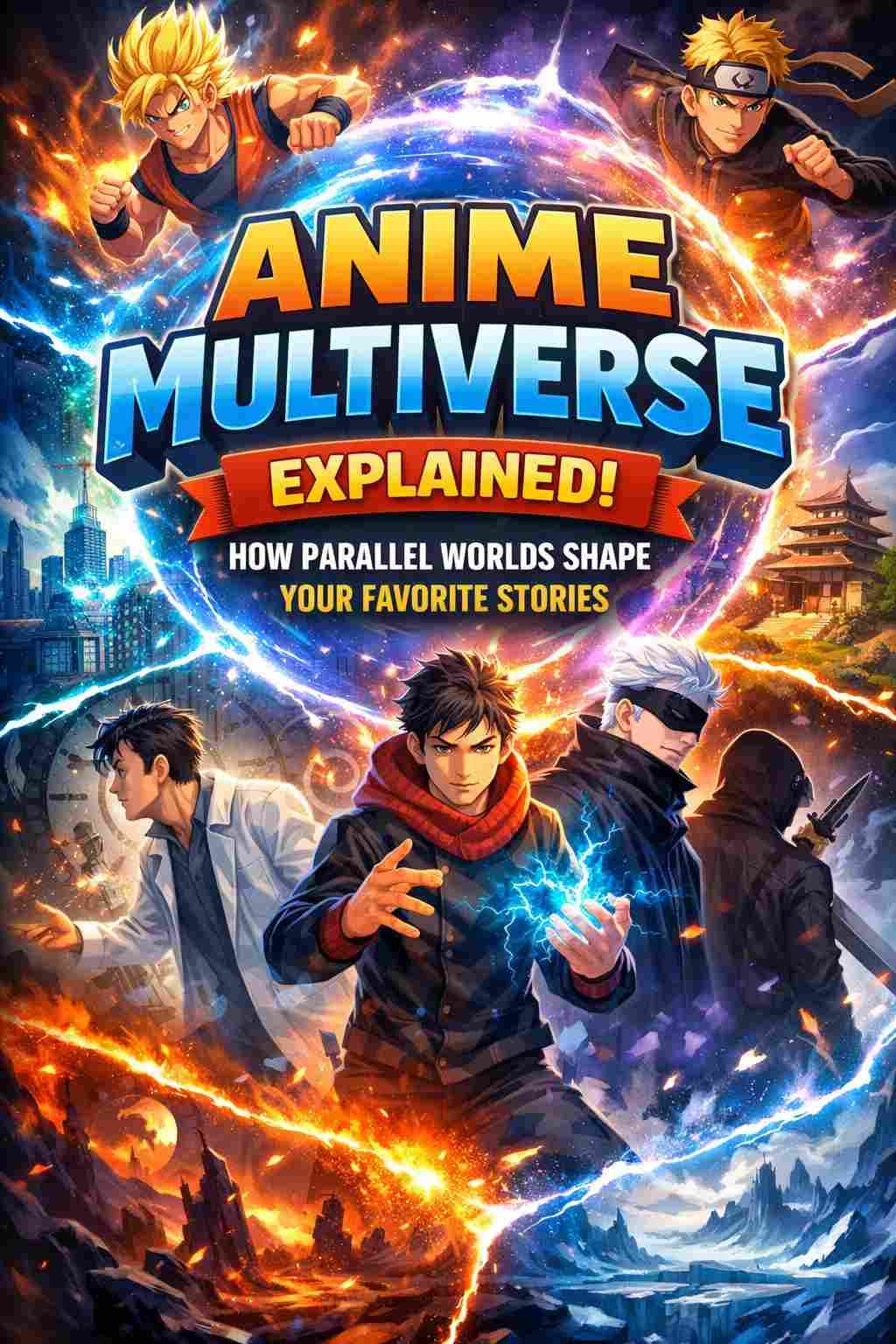
Anime Multiverse Explained: How Parallel Worlds Shape Your Favorite Stories
Why the Anime Multiverse Will Blow Your Mind
What if every choice your favorite anime characters made created a completely new universe? Imagine a world where Goku never trained under Master Roshi or where Naruto never became a ninja. These are not just random thoughts. In many popular anime, multiverse concepts allow these “what-if” scenarios to exist, letting fans explore endless possibilities. The anime multiverse is a fascinating idea that has become a core part of storytelling. It is a way for creators to expand their worlds and give viewers experiences beyond a single timeline or reality. Multiverses make it possible to see alternate versions of familiar characters facing different challenges and making different decisions. This concept has captured the imagination of fans worldwide.
Multiverse storylines appear in many genres, from action-packed shonen to fantasy and science fiction. Shows like Dragon Ball, Naruto, and Jujutsu Kaisen use parallel worlds and alternate realities to keep the story exciting. Dragon Ball explores multiple universes with different fighters and rules, creating high-stakes battles that feel fresh and unpredictable. Naruto includes arcs that show alternate timelines and outcomes, giving fans new ways to think about character choices. Jujutsu Kaisen adds layers to its story with alternate realities and dimensional shifts that affect both battles and character development. Each of these examples shows that multiverses are not just plot devices. They are tools to deepen the story and give fans a more immersive experience.
Fans enjoy multiverse storylines for many reasons. The opportunity to theorize about alternate realities engages communities and encourages discussion. People enjoy imagining how events could have unfolded differently and spotting hidden details that hint at other possibilities. Multiverse arcs make familiar worlds feel new and unpredictable. By exploring these parallel worlds, viewers gain a richer understanding of characters and their motivations. This concept also allows creators to experiment without breaking the main storyline. The anime multiverse is both a playground for writers and a source of excitement for viewers. By the end of this blog, you will understand what the anime multiverse is, why it is used, and how it changes the way fans experience their favorite series.
What is an Anime Multiverse?
An anime multiverse is a collection of parallel universes that exist at the same time. Each universe has its own rules, timeline, and events. These universes can be very similar to the main world or completely different. The key idea is that every universe allows for different outcomes and possibilities. For example, a character might make a different choice in one universe, resulting in a completely different story. This concept is central to many anime series because it allows creators to explore alternative scenarios while keeping the main story intact.
There are different types of multiverse structures in anime. Simple parallel worlds are separate universes that exist alongside the main story. Branching timelines are more complex. They show how small changes can lead to different outcomes and new universes. Some anime use intersecting multiverses, where characters travel between worlds or realities. Dragon Ball, for example, has Universe 6 and Universe 7. Each has different fighters and rules, but they can interact during tournaments or special events. This structure allows writers to create new challenges and exciting battles without altering the main narrative.
The anime multiverse is also a tool for exploring “what-if” scenarios. What if a character made a different decision or a battle ended differently? These questions can be answered through alternate realities. Fans enjoy analyzing these scenarios because they provide new insights into character personalities and storylines. Internal links to related content, such as alternate timelines in popular anime, can help viewers explore the concept further. Using clear explanations and examples makes the idea accessible. Understanding the anime multiverse is not difficult when it is broken down into simple types and examples. It is a concept that enhances storytelling and gives fans more ways to engage with their favorite shows.
How Anime Creators Use the Multiverse
Anime creators use multiverses as a tool to expand storytelling possibilities. Multiverse arcs allow writers to explore consequences of different choices without affecting the main storyline. Characters can appear in alternate realities, face new challenges, or show different versions of themselves. This adds depth to the story and gives fans a chance to see familiar characters in new situations. Dimension-hopping arcs, crossovers, and parallel worlds all rely on multiverse concepts to make the story richer and more unpredictable.
For example, Dragon Ball Super uses multiple universes and tournaments to show a variety of fighters and strategies. Characters from Universe 6 interact with those from Universe 7, creating tension and excitement. These arcs allow viewers to see how different universes operate and how rules change across worlds. Similarly, in Naruto, alternate timelines appear in certain arcs or filler episodes. Fans can explore how small changes would have affected the ninja world and the characters’ development. Jujutsu Kaisen also explores parallel worlds through dimensional interactions and curses, adding complexity to battles and character growth.
Multiverses also encourage fan engagement. Viewers enjoy theorizing about alternate realities, predicting outcomes, and discussing possible scenarios online. These arcs provide opportunities for fan art, fanfiction, and discussion forums. By creating multiple universes, anime writers give fans the chance to interact with the story beyond simply watching it. Multiverse storylines can be used across genres, from shonen action to fantasy and psychological series. They allow creators to experiment with storytelling techniques while keeping the core plot intact. Understanding how anime creators use multiverses helps fans appreciate the complexity and creativity behind their favorite shows. It shows that multiverses are not just gimmicks, but essential tools for building engaging, immersive worlds.
Popular Anime Featuring Multiverse Concepts
Many anime series use multiverse concepts to make their stories more engaging and complex. These shows allow fans to see alternate timelines, parallel worlds, and different versions of their favorite characters. One of the most famous examples is Dragon Ball. The Dragon Ball multiverse includes multiple universes, each with its own rules, fighters, and challenges. Universe 6 and Universe 7, for instance, have different sets of warriors and abilities. When the universes meet in tournaments or battles, it creates dynamic, unpredictable storylines. Fans enjoy these arcs because they show how characters adapt to new rules and environments.
Naruto is another series that explores alternate realities. While the main story follows Naruto’s journey to becoming a ninja, some filler arcs and the Boruto series present “what-if” scenarios. These alternate timelines show how different decisions could have affected the ninja world. They allow viewers to explore how events might have unfolded differently, offering insight into character growth and personality traits. Multiverse elements in Naruto add depth to the story without disrupting the main timeline.
Jujutsu Kaisen also incorporates parallel worlds, particularly through dimensional shifts and curse-related interactions. These alternate spaces allow battles to take place in unique environments, providing variety and raising the stakes. Characters often confront different versions of threats or face challenges that do not exist in the main world. These concepts enrich the narrative and provide opportunities for creative storytelling.
Steins;Gate is another standout example that revolves entirely around branching timelines and time travel. The series explores how small changes in one timeline can create completely new universes. Fans are drawn to this complexity because it allows them to see multiple perspectives and outcomes.
Multiverse arcs make stories feel fresh and unpredictable. They give writers freedom to experiment while keeping the main storyline intact. Did you know there is an alternate universe in Dragon Ball where Goku never trains under Master Roshi? These “what-if” moments are fun for fans and demonstrate the narrative power of multiverse storytelling. Multiverses also encourage speculation, theories, and discussions among viewers, keeping fan communities active and engaged.
Common Misconceptions About Multiverses
Many viewers believe that multiverse storylines are confusing or too complicated. While it is true that some shows have complex timelines, anime creators often present multiverse concepts clearly and logically. A common misconception is that you must understand every universe to follow the main story. In reality, most anime use multiverses to enhance the narrative, not to make it harder to watch. Fans can enjoy alternate realities without getting lost in the details.
Different types of multiverses exist in anime. Simple parallel worlds are separate universes that coexist alongside the main story. Branching timelines show how small changes can lead to new outcomes, while intersecting universes allow characters to travel between realities. Dragon Ball’s Universe 6 and Universe 7 show how separate worlds can intersect without confusing the main plot. Similarly, Steins;Gate uses branching timelines but explains them in a way that is accessible to viewers.
Multiverse storylines are also used to explore character decisions and consequences. What if a character chose differently or a battle ended in another way? Alternate realities allow writers to answer these questions without altering the main narrative. This approach keeps stories engaging and adds depth to characters.
Another misconception is that multiverse arcs are only for fans who enjoy complex theories. While speculation is part of the appeal, casual viewers can still follow the story and enjoy exciting battles and plot twists. Multiverses make anime more flexible, creative, and immersive. They allow writers to experiment, and fans to explore possibilities, without sacrificing clarity. Asking yourself “Which anime would be more exciting if alternate realities existed?” can help you appreciate how these storylines add value to your favorite series.
Why Fans Love Multiverse Storylines
Multiverse storylines are popular because they engage fans on multiple levels. They offer the thrill of imagining different outcomes and spotting hidden details across universes. Fans enjoy theorizing about alternate realities and sharing their ideas online. This interaction creates a sense of community and keeps viewers invested in the story beyond simply watching episodes.
One reason fans love multiverses is the emotional depth they provide. Seeing what could have happened adds suspense and drama. A character who fails in one universe might succeed in another, highlighting their growth and potential. These variations make familiar characters more interesting and relatable. Fan-favorite moments often come from alternate timelines or parallel world arcs. For example, Dragon Ball fans love imagining battles between fighters from different universes that never meet in the main story.
Multiverses also encourage creativity. Fans produce fanfiction, artwork, and theories that explore what might happen in alternate worlds. Naruto’s “what-if” scenarios and Jujutsu Kaisen’s dimensional shifts inspire discussion about character motivations and story outcomes. Social media and forums amplify this excitement, turning multiverse arcs into trending topics and creating long-lasting engagement for the series.
Another appeal is variety. Multiverse storylines let viewers experience familiar characters in new situations or different environments. Writers can introduce new powers, enemies, and challenges while keeping the story consistent. This variety keeps long-running series interesting and prevents narrative fatigue.
Ultimately, fans are drawn to multiverse storylines because they offer endless possibilities. They make anime more interactive and immersive, giving viewers a sense of participation. By exploring alternate worlds and outcomes, fans gain a richer understanding of the characters, story, and universe. Multiverses are not just entertaining; they create a deeper connection between the anime and its audience.
Philosophical Implications of Multiverses
Anime multiverses are not only exciting for action and battles but also explore deep philosophical questions. They often challenge our understanding of fate, choice, and consequence. What if a character made a different decision at a key moment? How would that change their world or the people around them? These questions are central to multiverse storylines and give viewers more than entertainment. They provide a way to reflect on life, decisions, and alternative possibilities.
For example, in Naruto, imagining a world where Naruto chose a different path opens new perspectives on his character and the ninja world. It allows fans to consider how individual choices shape larger outcomes. Similarly, Steins;Gate uses branching timelines to explore how even small changes can have a ripple effect across multiple universes. This encourages viewers to think critically about cause and effect and the consequences of decisions.
Multiverses also explore the nature of reality. By showing parallel worlds that coexist with the main universe, anime raises questions about what is real and what is possible. Jujutsu Kaisen, for instance, introduces dimensions and alternate realities that make the characters confront challenges they would not face in their main world. These concepts allow viewers to see characters in a new light and understand the rules that govern different universes.
Philosophical themes in anime multiverses often extend beyond the story itself. They connect to real-world ideas, such as the scientific theory of parallel universes and quantum possibilities. These connections make anime intellectually engaging for viewers who enjoy thinking about the broader implications of the story. Multiverse arcs offer a blend of entertainment and philosophy, making the experience richer and more meaningful.
Ultimately, the philosophical appeal of multiverses is part of what keeps fans engaged. It allows them to reflect on choices, morality, and destiny while enjoying the narrative. Multiverses are more than a storytelling device. They invite viewers to think deeply about alternate outcomes and the nature of existence, creating a lasting impression that goes beyond simple action or drama.
The Future of Anime Multiverses
The use of multiverses in anime continues to grow and evolve. Writers and creators increasingly explore parallel worlds, branching timelines, and alternate realities to keep stories fresh and engaging. Future anime series are likely to push these concepts even further, offering new crossovers, multidimensional arcs, and unique storytelling approaches. Fans can expect multiverses to play a major role in upcoming series and expansions of existing franchises.
One trend is the integration of multiverse storylines with long-running anime. Shows like Dragon Ball and Naruto have already explored multiple universes, but future arcs may introduce new worlds and more complex interactions. This approach allows writers to expand their worlds without disrupting the main storyline. It also provides opportunities to explore characters in ways that were not possible before. Multiverses create space for experimentation and innovation.
Multiverse arcs also encourage revisiting older series. Fans can reinterpret past events or imagine alternative outcomes, which keeps older anime relevant. The growing popularity of fan theories and community discussions ensures that multiverse concepts remain a central part of anime culture. These ideas are particularly appealing for franchises with large followings, as they allow creators to maintain excitement and engagement across multiple seasons or spin-offs.
In addition, advancements in animation and storytelling techniques make multiverse arcs more visually and narratively dynamic. Viewers can experience complex worlds and intricate timelines without feeling lost. This makes multiverses accessible to both casual fans and dedicated enthusiasts. The combination of creativity, technology, and fan engagement suggests that multiverse storylines will continue to be a driving force in anime innovation.
Ultimately, the future of anime multiverses is bright. They offer endless possibilities for characters, plots, and worlds. Fans can look forward to more exciting battles, thought-provoking scenarios, and imaginative storytelling that challenges expectations. Multiverse concepts will remain a vital tool for anime creators to explore the limits of imagination and keep viewers hooked for years to come.
Lessons for Viewers and Creators
Anime multiverses offer valuable lessons for both viewers and creators. For viewers, they provide insight into how stories can explore different outcomes and possibilities. Understanding alternate realities encourages fans to think about character decisions, motivations, and the ripple effects of actions. It also makes watching anime more interactive, as viewers can speculate about what might happen in other universes. Multiverse storylines invite curiosity and critical thinking, which adds depth to the viewing experience.
For creators, multiverses are a powerful tool for storytelling. They allow writers to experiment with new plotlines, character dynamics, and challenges without altering the main narrative. By exploring alternate worlds, creators can develop characters in unique ways, reveal hidden traits, and present scenarios that would not fit in the original timeline. This flexibility encourages innovation and helps long-running series remain engaging and fresh.
Multiverses also teach lessons about narrative structure and planning. Managing multiple universes requires careful design to ensure coherence and maintain audience understanding. Creators learn to balance complexity with clarity, making the story accessible while still delivering surprising twists. Shows like Dragon Ball and Steins;Gate demonstrate how careful planning can result in multiverse arcs that are both thrilling and easy to follow.
Another lesson is the importance of fan engagement. Multiverse storylines naturally encourage discussions, theories, and fan content. Creators who leverage these arcs can foster active communities that keep the series alive beyond the screen. Fans enjoy exploring possibilities, creating their own stories, and interacting with other viewers, which strengthens the overall popularity of the anime.
Finally, both viewers and creators can appreciate the imaginative possibilities that multiverses offer. They show that storytelling is not limited to one path or one outcome. By embracing alternate realities, anime becomes more dynamic, unpredictable, and meaningful. Multiverses remind us that creativity has no bounds and that exploring possibilities can make stories richer and more enjoyable.
Conclusion: Why Multiverses Matter in Anime
Anime multiverses are more than just a creative gimmick. They allow stories to expand beyond a single timeline, offering fans the chance to explore parallel worlds, alternate realities, and different outcomes. By introducing multiple universes, anime creators provide new challenges, fresh perspectives, and endless possibilities for storytelling. Multiverses make familiar characters more dynamic, battles more exciting, and plotlines more unpredictable. They enhance the viewing experience by allowing fans to engage with the story on multiple levels.
Throughout this blog, we have explored what an anime multiverse is, how it is used in storytelling, and why it appeals to fans. Popular shows like Dragon Ball, Naruto, Jujutsu Kaisen, and Steins;Gate illustrate the diversity and richness of multiverse concepts. These series show how alternate realities can be seamlessly integrated into the main storyline while still offering surprises and “what-if” scenarios. Fans enjoy theorizing, creating fan content, and analyzing the consequences of different choices, which makes multiverse arcs particularly engaging.
Multiverses also contribute to the philosophical depth of anime. They encourage viewers to consider fate, choice, and consequence in both fictional and real-world contexts. By exploring alternate outcomes, fans gain a greater appreciation for character development, plot intricacies, and narrative creativity. This combination of entertainment, imagination, and reflection is part of what makes multiverses a vital tool for anime creators.
Looking to the future, multiverse storylines will continue to be a major force in anime. They offer endless creative opportunities, from crossovers and dimension-hopping arcs to complex branching timelines. Fans can revisit older series with new perspectives and enjoy fresh interpretations of familiar characters. Multiverses also encourage community engagement, fan discussions, and ongoing speculation, keeping anime culture vibrant and interactive.
In conclusion, the anime multiverse is an essential concept for modern storytelling. It enriches narratives, deepens character development, and creates immersive experiences for viewers. By exploring parallel worlds and alternate realities, fans gain a more complete understanding of their favorite series. Multiverse arcs combine action, emotion, and philosophy, making anime not only entertaining but intellectually engaging. Share your favorite multiverse moments in anime in the comments below and explore the endless possibilities that alternate realities have to offer.