Batman Origin Story Explained: From Tragedy to Legend
The Man Behind the Mask
What turns a billionaire into a masked vigilante who hunts criminals at night?
That question sits at the heart of the Batman origin story, one of the most powerful and emotionally driven journeys in superhero history. Unlike many heroes, Batman does not rely on superpowers or alien abilities. His strength comes from something far more human. It comes from pain, discipline, and an unbreakable sense of purpose.
At the center of this story is Bruce Wayne. He is known to the world as a billionaire, a businessman, and a symbol of success. But behind that public image lies a man shaped by tragedy. His life changed forever on a single night that turned fear into obsession and grief into action.
The Batman backstory explained in its full depth is not just about crime fighting. It is about transformation. It is about how a broken child grows into a symbol that criminals fear. This journey shows how Bruce Wayne chose not to be consumed by darkness but instead used it as a tool.
In this blog, you will explore every stage of that transformation. You will learn about the tragedy that defined his childhood. You will see how he trained his mind and body to perfection. You will also understand why he chose the identity of Batman and what that symbol truly means.
The Batman origin story is more than a tale of revenge. It is a story of control, discipline, and purpose. It shows how one man decided to stand against fear by becoming something even more powerful than it.
Gotham City: A Breeding Ground for Darkness
To understand the Batman origin story, you must first understand the city that shaped it.
Gotham City is not just a backdrop. It is a living, breathing force that influences everything around it. The city is filled with towering buildings, dark alleys, and a constant sense of unease. It is a place where crime feels normal and safety feels temporary.
The problem of Gotham City crime runs deep. It is not limited to street-level criminals. Corruption exists at every level. Law enforcement struggles to maintain control. Powerful figures often manipulate the system for their own benefit. This creates an environment where justice is weak and fear spreads easily.
For ordinary citizens, life in Gotham is unpredictable. People live with the constant risk of violence. Trust in institutions is low. Even those who want to do good often feel powerless against the system. This creates a cycle where crime continues to grow without strong resistance.
In such a city, traditional methods of law enforcement are not enough. Gotham needs something more. It needs a force that can operate outside the limits of the system. It needs someone who can strike fear into criminals and restore a sense of order.
This is where the idea of Batman begins to take shape. The city creates the need for a symbol that represents justice without compromise. It creates the conditions for someone like Bruce Wayne to step forward and take action.
But Gotham did not create Batman on its own.
The real beginning of the Batman origin story lies in a moment of personal tragedy that changed Bruce Wayne forever.
The Night That Changed Everything
Every great story has a defining moment. In the Bruce Wayne origin, that moment comes on a quiet night that turns into a lifelong nightmare.
Young Bruce Wayne lived a life of privilege. His parents, Thomas Wayne and Martha Wayne, were respected figures in Gotham. They were known not only for their wealth but also for their generosity and commitment to helping others.
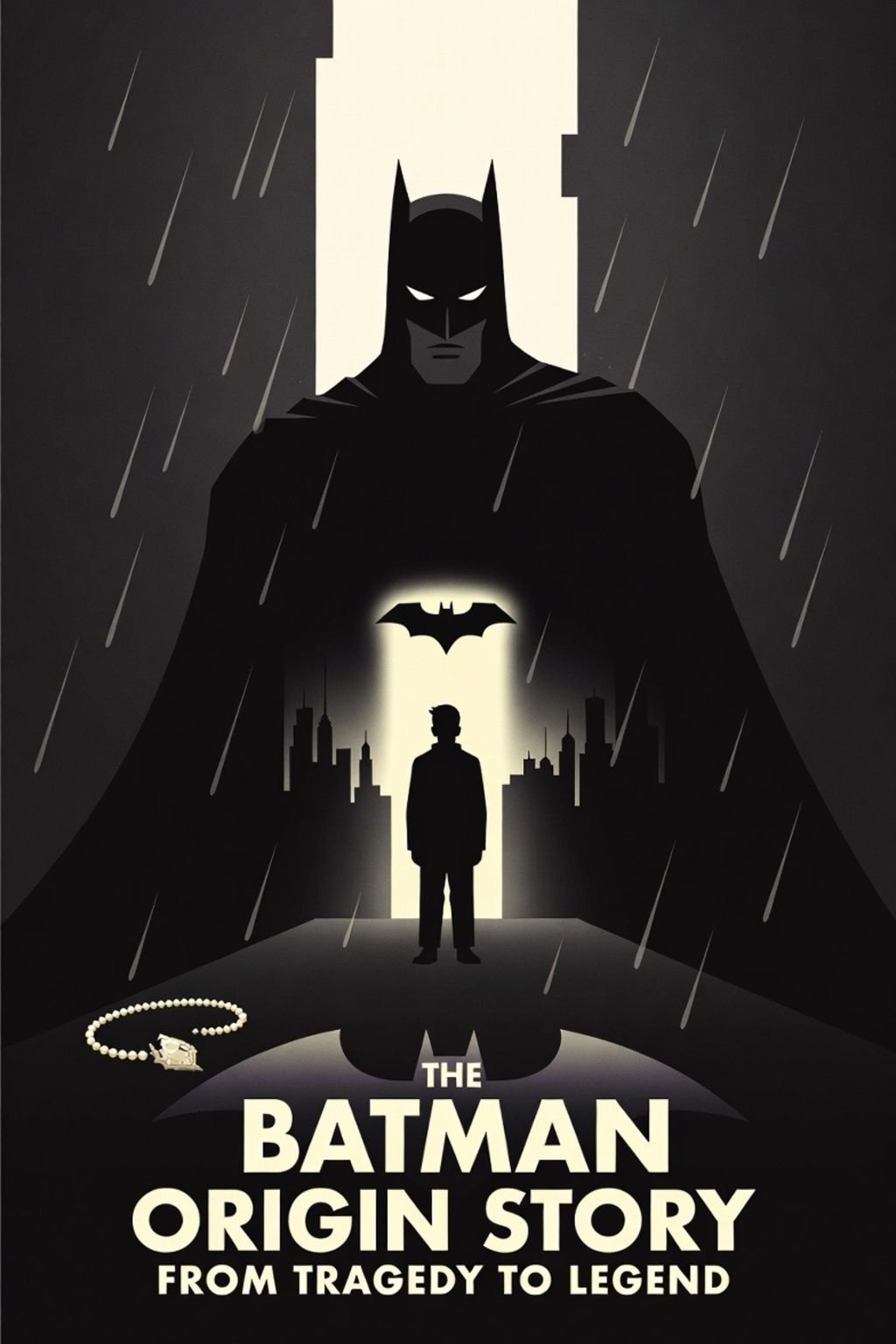
One evening, after attending a movie, the family walked through a dark alley. What seemed like an ordinary moment quickly turned into tragedy. A criminal confronted them and demanded money. In a matter of seconds, the situation escalated. Bruce watched helplessly as both of his parents were shot and killed in front of him.
This moment is the emotional core of the Batman origin story. It is not just about loss. It is about the sudden realization that the world is dangerous and unfair. For a child, this experience creates a deep sense of fear and helplessness.
The psychological impact of this event shapes Bruce Wayne’s entire life. He becomes obsessed with understanding crime and preventing others from experiencing the same pain. His fear does not disappear. Instead, it evolves into something more controlled and focused.
Key emotional impacts of this moment include:
- A deep fear of losing loved ones
- A strong desire for justice
- A growing anger toward crime and corruption
This tragedy becomes the foundation of everything Bruce Wayne will become. It pushes him toward a path that no ordinary person would choose.
This is the moment that defines the Batman origin story.
Pain into Purpose: The Making of a Warrior
After witnessing the murder of his parents, Bruce Wayne’s life could have been defined by grief and helplessness. Instead, he chose a different path. He transformed his pain into purpose. This is where the true journey of how Batman became Batman begins.
From a young age, Bruce realized that fear and violence were part of life. To fight crime effectively, he needed more than anger—he needed skill, knowledge, and discipline. His childhood grief became a driving force, pushing him to seek answers and solutions. He made a conscious decision that he would never be powerless again.
Bruce’s journey took him far beyond Gotham. He traveled across the world to learn the skills he would need to confront criminals. In Asia, he studied martial arts from masters of multiple disciplines. He learned techniques from judo, kung fu, ninjutsu, and boxing, blending them into a fighting style uniquely his own. Each strike, each movement, was designed to maximize efficiency and control, making him a formidable opponent even against multiple attackers.
But physical strength was only part of the equation. Bruce understood that criminals were often cunning and unpredictable. He studied criminology and psychology to understand the human mind. He learned how fear, greed, and anger motivate criminals and how to exploit their weaknesses. By combining mental and physical training, Bruce prepared himself to be more than just a fighter. He became a strategist.
He also honed detective skills that would rival any professional investigator. Observing details, analyzing crime scenes, and connecting patterns became second nature. Over time, Bruce developed an almost obsessive attention to detail. He trained his body to peak human condition while sharpening his mind to see what others could not.
Through years of rigorous training, Bruce Wayne transformed from a traumatized child into a disciplined warrior. He achieved a balance between strength, skill, and intelligence that allowed him to confront even the most dangerous criminals in Gotham. His story demonstrates that heroism can emerge not from innate powers but from relentless effort, focus, and determination.
By the end of his global journey, Bruce understood that skill alone was not enough. To truly fight crime in Gotham, he needed something more—a symbol that would strike fear into the hearts of criminals. The path from pain to purpose set the stage for the creation of Batman, a figure designed to change Gotham forever.
Why a Bat? The Birth of Fear
After years of training and preparation, Bruce Wayne faced a new question: how could he confront criminals in a way that gave him an advantage? He realized that criminals rely on fear to control others, yet few use fear against them. Bruce decided to turn the tables. He would become something that terrifies criminals.
The choice of the bat as his symbol was not accidental. As a child, Bruce had been frightened by bats in his family’s cave. That fear had stayed with him, a shadow in his memory. Instead of suppressing it, he embraced it. The bat became a symbol of transformation—something feared by criminals yet controlled by Bruce.
The suit, the mask, and the cowl were designed to inspire terror. The dark costume allowed him to move through the shadows, blending into the night. The pointed ears and cape created an imposing silhouette that amplified his presence. Each detail of the costume was carefully chosen to create an aura of fear, ensuring criminals would hesitate and second-guess themselves.
Symbolism played a crucial role in the creation of Batman. The bat represented more than fear; it represented the use of darkness as a weapon. Bruce understood that true power is psychological. A criminal’s hesitation, doubt, or fear could be more dangerous than physical confrontation.
This strategic use of fear allowed Batman to operate outside normal constraints. He became a figure that existed almost as a myth in Gotham, a shadow moving silently against injustice. The adoption of the bat identity marked the final step in transforming Bruce Wayne’s pain and training into a purposeful mission.
“Bruce Wayne fights crime. Batman terrifies it.” This simple statement captures the essence of the symbol. It is not just about strength or intelligence; it is about perception. By becoming Batman, Bruce created a presence that criminals cannot ignore, a force that would protect Gotham from the darkness that had taken his parents.
The Tools of the Dark Knight
Becoming Batman required more than fear and skill. Bruce Wayne needed technology, preparation, and resources to maintain an advantage over Gotham’s most dangerous criminals. The Batcave became the epicenter of his operations, a hidden base that combined his intellect, wealth, and strategy into one command center.
Inside the Batcave, Bruce developed and maintained advanced gadgets that would allow him to confront any situation. Grappling hooks, reinforced vehicles, surveillance equipment, and forensic tools were all part of his arsenal. Each tool was designed to enhance his abilities and compensate for the fact that he had no superpowers.
The Batcave also served as a laboratory and training center. Bruce constantly tested new technology, refined his methods, and tracked criminal activity. He combined detective work with innovation, ensuring that he stayed one step ahead of anyone who threatened Gotham.
The strategy behind Batman’s tools emphasized intelligence over brute force. Bruce Wayne understood that preparation and adaptability were just as important as combat skill. Every gadget had a purpose, every tool a design rationale, and every plan accounted for contingencies. This combination of preparation, technology, and human skill made Batman a peak human warrior capable of confronting threats that would overwhelm ordinary people.
This careful integration of mind, body, and technology defines what makes Batman unique. He is a hero without superpowers relying solely on discipline, intellect, and determination. By mastering his environment and tools, he became an unstoppable force in Gotham, a figure who could strike from the shadows and challenge criminals on every level.
The Batman origin story is not complete without understanding the role of these tools. They are extensions of Bruce Wayne himself, instruments that allow his will and purpose to be realized in the real world. Without them, Batman would be a highly trained man. With them, he becomes a legend.
The Man Behind the Mask: Alfred’s Role
No hero acts entirely alone, and even the formidable Batman relies on support. Alfred Pennyworth is far more than a caretaker or butler. He is the emotional anchor and moral compass for Bruce Wayne, guiding him through the darkness that surrounds both Gotham City and his own mind. Without Alfred, Bruce’s mission might have been fueled purely by rage instead of purpose and discipline.
Alfred’s role begins with his unwavering support during Bruce’s childhood. After the tragic murder of Thomas and Martha Wayne, Alfred stepped in to provide stability. He ensured that Bruce could navigate his grief while still receiving guidance and encouragement. He offered perspective, teaching Bruce that justice required more than anger—it required strategy, patience, and empathy. This early influence helped shape Bruce into someone capable of enduring the mental and physical demands of becoming Batman.
As Bruce grows into his role as Gotham’s protector, Alfred continues to play multiple essential roles. He maintains the Batcave, oversees equipment, and assists in planning missions. Beyond logistics, Alfred provides critical advice and emotional perspective, reminding Bruce of his humanity. In many ways, Alfred serves as the voice of reason, ensuring that Bruce does not lose himself to the darkness he fights against.
Alfred’s presence highlights the idea that even a superhero with extraordinary skills needs a support system. He is not just a servant or assistant; he is a mentor, a father figure, and a trusted ally. His guidance allows Bruce to maintain balance and focus, preventing him from becoming consumed by the same fear and anger that once paralyzed him as a child.
The Batman origin story is not only about trauma, skill, and fear. It is also about relationships and the people who help shape a hero. Alfred embodies loyalty, wisdom, and love. His role ensures that Batman’s mission is grounded in purpose rather than obsession, and that the man behind the mask can continue to fight for justice without losing himself.
Allies and Enemies: Expanding the Batman Universe
No story of Gotham City is complete without the figures who define its chaos and order. The Batman enemies and allies are an essential part of the narrative, shaping both the challenges Batman faces and the principles he stands for. While Batman fights crime alone in many ways, his world is filled with both friends and foes who amplify his journey.
Among allies, Batman is supported by figures like Commissioner Gordon, whose partnership allows him to operate more effectively within the constraints of the law. These allies provide assistance, resources, and information that enable Batman to confront criminals at every level. They are not simply side characters; they represent the network of trust that balances Gotham’s chaos.
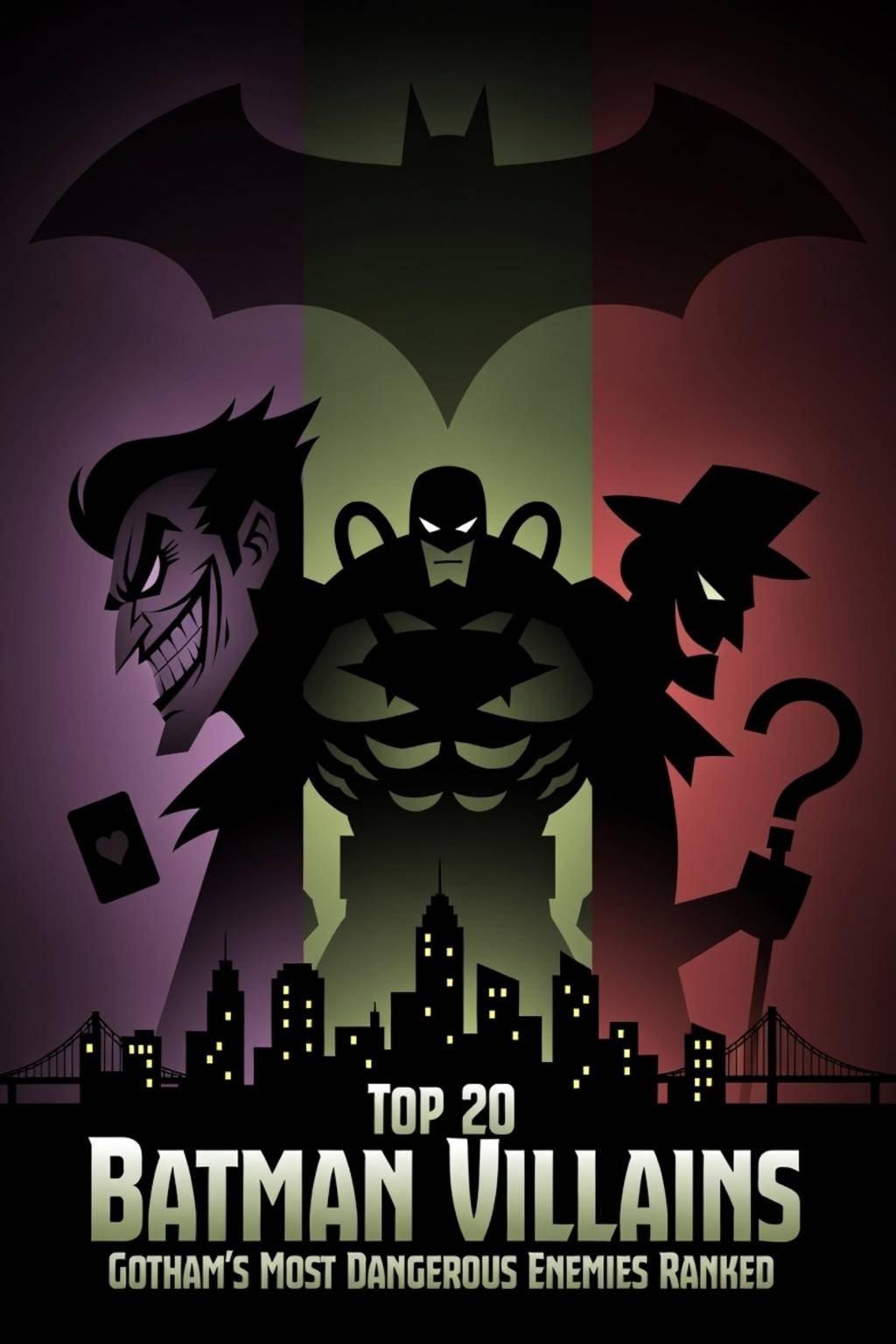
On the other side are Gotham’s most notorious villains. Characters such as the Joker, the Penguin, and Two-Face challenge Batman not only physically but morally and psychologically. These enemies act as reflections of Gotham’s corruption and chaos. Each villain embodies different aspects of human vice—chaos, greed, obsession—and forces Batman to adapt and evolve. The encounters with these enemies test his skills, intelligence, and resolve.
The presence of allies and enemies also shows the scale of Batman’s mission. It is not just about personal revenge for his parents. It is about a broader fight against crime, corruption, and fear in an entire city. Every confrontation, alliance, and plan contributes to a larger story of justice and morality.
Through his interactions with friends and foes, Batman demonstrates resilience, strategy, and adaptability. His story highlights that a hero is defined not just by strength or skill, but by the choices he makes in the face of constant opposition. Gotham is a living world filled with conflict, and Batman thrives within it, proving why he remains one of the most enduring symbols in superhero lore.
What Makes Batman Different from Other Superheroes
The question of why Batman stands out among heroes is central to understanding his enduring appeal. Unlike many iconic characters in the superhero genre, Batman is unique because he has no inherent superpowers. His abilities come from human potential, honed through discipline, training, and strategy. This makes his story both relatable and inspirational.
Where other heroes rely on extraordinary abilities, Batman relies on peak human strength, intelligence, and willpower. His physical training, detective skills, and use of technology allow him to confront enemies who might otherwise overpower him. Every gadget, every martial art, and every tactical decision is a product of human ingenuity rather than supernatural force.
Beyond physical skill, Batman’s psychological strength sets him apart. He faces constant danger, moral dilemmas, and the weight of Gotham’s corruption. Yet he remains committed to his code of justice. This mental resilience allows him to operate in the shadows where others would falter. It is a defining feature that separates Batman from heroes who rely solely on raw power or magic.
Additionally, his adaptability ensures that no situation is insurmountable. Batman plans for contingencies, analyzes patterns, and uses fear as a weapon against those who would harm others. He embodies the principle that preparation and strategy can achieve results that mere power cannot.
The Batman origin story demonstrates that heroism does not require superpowers. It shows that discipline, intelligence, and moral conviction are equally formidable. This relatability is part of what makes Batman a symbol not just of justice, but of human potential. His story inspires readers to understand that courage and commitment can turn ordinary individuals into extraordinary figures.
The Symbol of Hope in Darkness
Even in a city as broken as Gotham, Batman represents something more than fear and punishment. While criminals see him as a terrifying figure, citizens see a symbol of hope and protection. The Batman meaning and symbolism goes far beyond the man inside the mask. He is a reminder that even in the darkest circumstances, someone can stand for justice and inspire change.
Gotham’s citizens live with constant danger. Crime, corruption, and fear are part of everyday life. Ordinary people often feel powerless, and the legal system frequently fails to deliver justice. Batman’s presence changes this. Even when he cannot prevent every crime, his actions create a sense that wrongdoing will not go unchallenged. That perception of accountability brings hope to those who might otherwise despair.
The symbolism of Batman is also deeply personal. For Bruce Wayne, the Bat represents more than his childhood trauma. It represents his choice to take control, to transform fear into power, and to channel grief into action. By adopting the identity of Batman, Bruce turns his pain into a mission that benefits the entire city.
Batman’s presence inspires others as well. Allies and ordinary citizens alike are reminded that courage, resilience, and determination can make a difference. He demonstrates that heroism is not about luck or supernatural abilities, but about dedication, preparation, and moral conviction. In Gotham, where darkness seems endless, Batman shines as a guiding figure, proving that even one person can make a significant impact.
The duality of Batman is key to his symbolic power. To criminals, he is fear incarnate. To citizens, he is a protector. This contrast ensures that his presence affects every layer of Gotham. He is a living embodiment of balance: justice wielded without compromise, morality maintained in a world where corruption dominates, and courage prevailing even in despair.
Ultimately, the Batman origin story is about more than personal revenge or the pursuit of justice. It is about creating a legacy, one that can influence an entire city and inspire generations. By standing for hope in the darkest places, Batman becomes more than a man. He becomes a symbol that endures, reminding everyone that light can exist even in the deepest shadow.
More Than a Hero
The Batman origin story is a journey from tragedy to legend. Bruce Wayne’s life begins in privilege but is shattered by loss and fear. The murder of his parents sets him on a path that no ordinary child could walk. He transforms grief into purpose, training his body and mind to peak human potential. Through discipline, intelligence, and unwavering moral conviction, he becomes Batman, Gotham’s protector and symbol of hope.
What makes Batman unique among superheroes is his humanity. He has no superpowers, no magic, and no alien strength. He relies entirely on himself: his training, his intelligence, and his moral code. Every action, every gadget, and every plan reflects a deeply considered strategy rather than a miracle of chance. This makes him both relatable and inspiring.
Beyond physical skill, Batman represents resilience and determination. He shows that even in a world dominated by fear and chaos, a single person can rise to make a meaningful difference. His story demonstrates the power of choice, discipline, and the refusal to succumb to darkness.
In Gotham, Batman is more than a vigilante. He is a symbol of hope for citizens and a warning to criminals. He embodies the idea that one person’s courage can influence an entire city and leave a lasting legacy. His journey reminds us that anyone can face tragedy, but only those who channel it into purpose can rise above it.
Anyone can fall into darkness. Few choose to rise from it. Batman did, and in doing so, he became not just a hero, but a legend.