Marvel Multiverse Explained: Everything You Need to Know About Infinite Realities
What if your favorite superhero existed in a thousand different versions at the same time? Imagine a world where Spider-Man fights crime as Peter Parker in one universe while Miles Morales swings through the streets of another. Picture Doctor Strange making choices in one timeline that create entirely new realities in another. This is the Marvel multiverse. It is not just a concept for comic books. It has become the foundation for some of the most exciting stories in the Marvel Cinematic Universe.
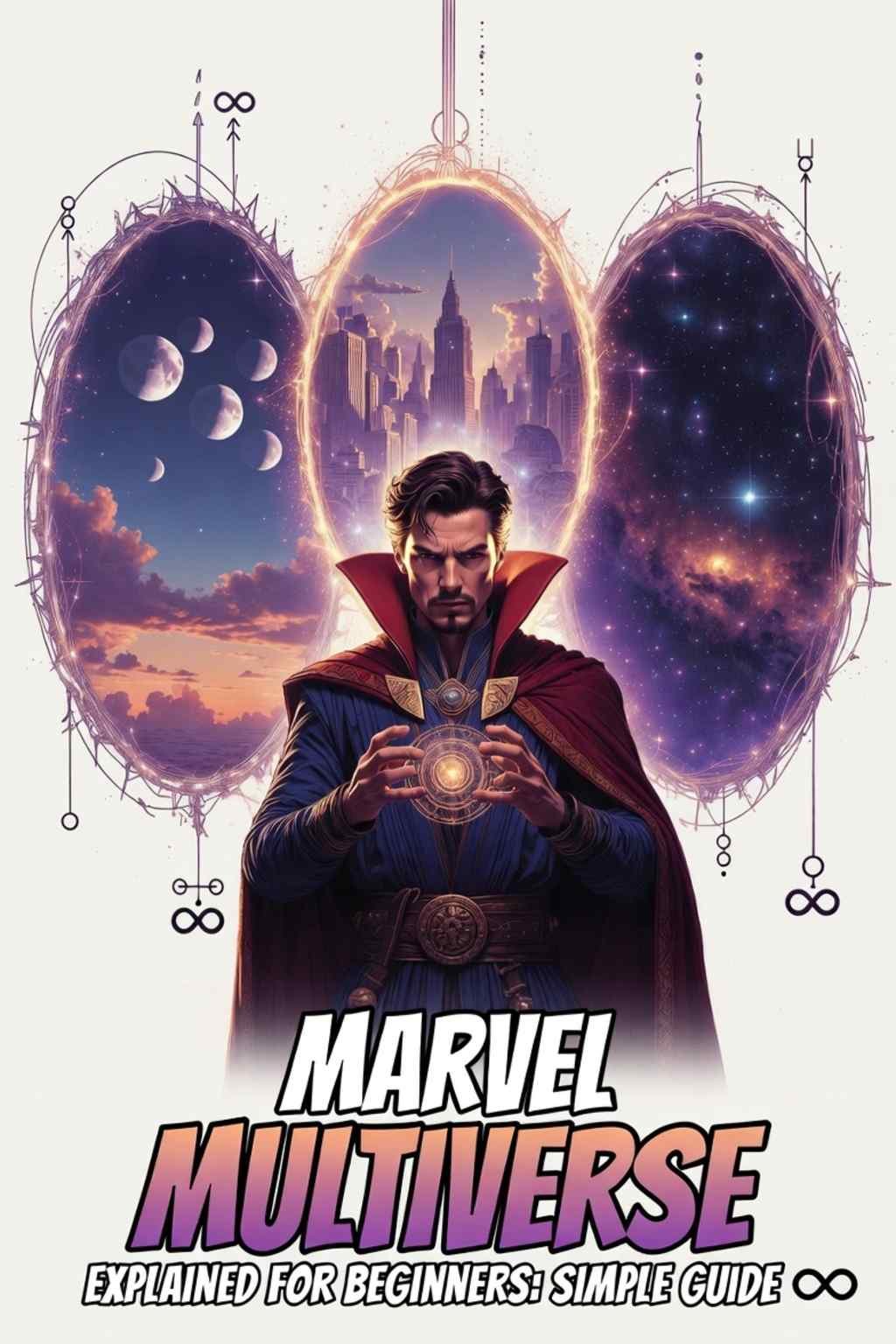
The Marvel multiverse is a collection of infinite universes that exist simultaneously. Each universe has its own history, events, and outcomes. In one reality, Thanos may have been stopped early. In another, heroes may never have formed the Avengers. These alternate realities allow the same characters to exist in multiple forms, with different experiences, choices, and consequences. This is why fans see so many versions of their favorite superheroes on screens and in comics.
Recent films and shows have made the multiverse a central part of the Marvel experience. Disney Plus series like Loki explore the rules of time and the consequences of altering events. Movies like Spider-Man: No Way Home and Doctor Strange in the Multiverse of Madness show heroes facing versions of themselves and their allies from other universes. The multiverse creates tension, excitement, and unpredictability. It also explains why certain characters appear together in unexpected ways.
Many viewers find the concept confusing at first. How can one person exist in multiple realities? How do timelines interact? The multiverse answers these questions by showing that every decision, every small change, can create a new timeline. These branching realities exist alongside the main universe and can interact under certain circumstances. Marvel Studios has used these ideas to tell stories that would not be possible in a single timeline.
By the end of this blog, you will understand the basics of the Marvel multiverse, its origins in comics, how the MCU uses it, and the key rules that govern alternate realities. You will also see why the multiverse allows for new stories, crossovers, and exciting surprises. Understanding the multiverse will make watching future Marvel projects even more thrilling.
What Is the Marvel Multiverse?
The Marvel multiverse is the idea that there is more than one universe. It is an infinite set of realities, each with its own rules, history, and version of characters. In simple terms, it is a collection of parallel universes that exist at the same time. One universe may closely resemble the main Marvel universe, while another may be completely different. This idea allows storytellers to explore possibilities without breaking continuity in the main storyline.
Each universe in the multiverse can have its own outcomes. For example, a universe may exist where Peter Parker never became Spider-Man. Another universe may show a version of Tony Stark who never built the Iron Man suit. These alternate versions of characters are called variants. Variants are not simply copies. They are shaped by different choices, circumstances, and events. They can have entirely unique personalities, powers, and experiences.
The multiverse is also a way to explain major events that seem impossible in a single timeline. Small changes in one universe can create ripple effects that form new realities. These realities can overlap, collide, or even merge under certain conditions. Marvel Comics first explored this idea to give writers freedom to experiment with stories and characters. Fans could see familiar heroes in new ways without affecting the main universe.
A simple analogy is imagining your own life. Every decision you make creates a potential alternative outcome. In one universe, you might have taken a different job, lived in another city, or met different people. In the Marvel multiverse, these possibilities are multiplied infinitely, and each version of a character can exist in a separate universe at the same time.
Understanding the multiverse is crucial for following modern Marvel stories. It explains why we see different versions of characters like Spider-Man, Doctor Strange, or Loki interacting across timelines. It also sets the stage for complex storylines that span multiple movies and shows. By exploring the multiverse, Marvel expands storytelling possibilities and creates moments that surprise and excite fans.
Origins of the Multiverse in Comics
The concept of the multiverse began in Marvel Comics long before it became a major part of the films. Writers needed a way to explore alternate realities without disrupting the main storyline. Early experiments included stories where heroes faced different versions of themselves or encountered worlds with new rules. These stories allowed creators to introduce imaginative scenarios while keeping the main universe consistent.
One of the first examples was the creation of Earth-616, the main continuity in Marvel Comics. Writers contrasted Earth-616 with other universes to explore “what if” scenarios. For instance, a story might show a world where Spider-Man never gained his powers or a reality where villains became heroes. These alternate universes gave fans a fresh perspective on familiar characters.
Spider-Man is one of the most notable examples of multiverse storytelling in comics. Over the years, there have been many versions of Spider-Man, including Spider-Gwen, Spider-Man 2099, and Miles Morales. Each version exists in a separate universe with its own story, rules, and challenges. These stories have always been popular because they allow readers to see how familiar characters might react in entirely new circumstances.
Comics also experimented with large-scale multiverse events. Stories like Secret Wars and Spider-Verse brought together multiple universes and characters. These events showed that the multiverse could create high-stakes drama, crossover storylines, and fan-favorite encounters that would not be possible otherwise. These concepts laid the foundation for the Marvel Cinematic Universe to explore similar ideas on screen.
By introducing alternate realities in comics, Marvel allowed writers to push boundaries. They could explore darker storylines, heroic twists, and moral dilemmas without affecting the main universe. This experimentation made the multiverse a flexible and powerful tool. It gave creators freedom to innovate while keeping fans invested in the central continuity. Today, these ideas are central to understanding both the comics and the MCU multiverse.
How the MCU Introduced the Multiverse
The Marvel Cinematic Universe did not immediately show the multiverse. Instead, it gradually built the concept across films and Disney Plus series. Early Marvel movies focused on a single timeline where events happened linearly. The idea of multiple realities was hinted at, but it became a major theme in recent years. MCU creators used subtle clues to prepare audiences for a larger multiverse story.
The Disney Plus series Loki was one of the first projects to explicitly explore the multiverse. It introduced the Time Variance Authority, or TVA, an organization that monitors the timeline and prevents dangerous branching realities. The series shows how even small deviations from the “Sacred Timeline” can create new universes. Loki himself becomes a variant, and the series explains the rules of timeline management in a clear, accessible way.
Movies like Spider-Man: No Way Home demonstrated how multiverse storytelling could affect popular characters. In this film, multiple versions of Spider-Man and villains from different realities appear together. The movie shows how altering one event, such as revealing Spider-Man’s identity, can have ripple effects across timelines. Fans experienced the emotional impact of seeing past versions of their favorite characters interact in a single story.
Doctor Strange in the Multiverse of Madness further expanded the concept. It explored reality-hopping and the consequences of tampering with timelines. Strange encounters universes where events unfolded differently, and the story emphasizes that actions in one reality can affect others. The movie also shows that the multiverse can be chaotic and unpredictable, requiring knowledge, skill, and caution to navigate safely.
The MCU uses these stories to combine high-stakes action with philosophical ideas. It asks questions about fate, choice, and the consequences of decisions. Branching timelines give writers flexibility to explore alternate versions of characters without breaking the main storyline. The multiverse also allows for creative crossovers, fan-favorite appearances, and emotional storytelling that honors the legacy of the comics.
Through Loki, Spider-Man: No Way Home, and Doctor Strange in the Multiverse of Madness, the MCU made the multiverse central to its narrative. It is no longer a background concept but a key driver of events. Audiences now understand that the multiverse is not just about alternate versions of characters but about how every choice can create a new reality. Marvel Studios has set the stage for even more complex stories in the future.
The Sacred Timeline, Nexus Events, and Variants
In the MCU, the multiverse is guided by rules to prevent chaos. One of the most important concepts is the Sacred Timeline. This timeline is considered the main path of reality. The TVA, or Time Variance Authority, exists to protect it. Any deviation from this timeline is called a nexus event. Nexus events can create new branches or alternate realities if left unchecked.
Nexus events happen when someone makes a choice that has significant consequences. For example, Loki escaping with the Tesseract in Loki caused a major nexus event. These events are dangerous because they can create universes that deviate from the intended flow of reality. Some branches can be stable, but others can grow into chaos, threatening multiple realities at once.
Variants are central to understanding the multiverse. A variant is a version of a character who exists outside the Sacred Timeline. Loki is a prime example. He is both himself and an alternate version depending on how events unfold. Variants are not always villains or heroes. They reflect how different choices, circumstances, or events can shape personality, powers, and destiny.
The multiverse operates on the principle that small changes can have large effects. A minor decision in one timeline can create a new universe with entirely different outcomes. This is why timelines must be carefully monitored. The TVA and similar entities aim to prevent uncontrolled branching realities. Without management, the multiverse could spiral into disorder, making it impossible to maintain balance.
The Sacred Timeline, nexus events, and variants together create a framework for storytelling. They explain why characters from different universes can interact, why timelines can split, and why multiverse events have high stakes. For audiences, this framework makes complex stories easier to follow. It also allows writers to experiment with alternate realities, crossovers, and unexpected character returns without breaking continuity.
Marvel uses these concepts to explore philosophical ideas about choice and destiny. Variants show that even heroes are not fixed and can change based on circumstances. Nexus events show that actions matter and can shape the course of entire realities. The Sacred Timeline acts as a reference point, giving structure to a narrative that could otherwise become confusing. Together, these ideas form the foundation of the MCU multiverse.
Who Controls the Multiverse?
Control of the multiverse is one of the most intriguing questions in the Marvel universe. Powerful entities like the TVA oversee the multiverse, maintaining order and preventing dangerous deviations. The TVA ensures that the Sacred Timeline remains intact and that branching realities do not become unstable. Their role is crucial because without oversight, the multiverse could collapse into chaos.
Kang the Conqueror is another figure who demonstrates the potential for control and manipulation. Kang is aware of multiple timelines and uses this knowledge to his advantage. He can travel between realities, manipulate events, and create variants of himself. Kang represents the darker side of multiverse control. While the TVA maintains balance, Kang seeks power across timelines, showing how knowledge of the multiverse can be dangerous if misused.
The MCU has introduced viewers to the idea that time and reality are not absolute. Timelines can branch, converge, or even collide. Powerful beings can exploit these mechanics for their goals. The TVA, for instance, removes threats before they destabilize the multiverse. Kang uses these principles to build his empire across realities. Control is therefore not just about knowledge. It is about action and consequences.
Controlling the multiverse is not simple. Each choice can create ripple effects that change entire universes. Even a small error can lead to new branches, unexpected interactions, or catastrophic events. This makes multiverse management a high-stakes activity, requiring both foresight and intervention. The contrast between the TVA’s structured approach and Kang’s chaotic manipulation shows the delicate balance required to maintain reality.
For fans, understanding who controls the multiverse clarifies why events unfold the way they do. It explains why variants exist, why nexus events are dangerous, and why certain characters can appear across multiple realities. It also sets up anticipation for future MCU stories where the struggle for multiverse control will be a central theme. The multiverse is both a playground for storytelling and a battlefield for power, making it one of the most exciting concepts in modern Marvel media.
9Why the Multiverse Changes Everything in Marvel – 400 words
The multiverse changes the way Marvel stories are told. In a single timeline, characters’ actions and deaths are permanent. With the multiverse, no event is truly final. Heroes and villains can exist in multiple forms, and events can unfold differently in other realities. This flexibility gives Marvel storytellers almost unlimited possibilities.
One of the biggest impacts is on character survival. In the multiverse, a character who dies in one reality might continue to exist in another. This allows for more creative storytelling and makes crossovers exciting. Fans can see past versions of their favorite characters return without breaking the continuity of the main timeline. It also allows for surprising alliances and confrontations that would not be possible otherwise.
The multiverse also makes crossovers more meaningful. Films like Spider-Man: No Way Home and Doctor Strange in the Multiverse of Madness show characters from different realities interacting. These events are not just fan service. They demonstrate how different universes can collide, create tension, and explore the consequences of branching timelines. Every interaction has stakes because even a small choice can ripple across multiple realities.
Storytelling is no longer limited by a single narrative path. Writers can explore “what if” scenarios, alternate outcomes, and entirely new versions of characters. The multiverse allows Marvel to experiment with new storylines without invalidating previous stories. Fans can enjoy alternate takes on characters while still following the main timeline. This freedom keeps the Marvel universe fresh, unpredictable, and engaging.
The multiverse also raises the stakes for major conflicts. Villains like Kang the Conqueror can threaten multiple timelines at once. Heroes must consider not only their own universe but also the potential consequences for countless others. This expands the scale of storytelling, turning personal battles into events with multiversal consequences.
Overall, the multiverse changes everything because it removes limitations. Death, failure, and loss are no longer absolute. Stories can explore alternate outcomes, heroes can return, and villains can rise in new ways. For audiences, this creates excitement, suspense, and endless possibilities. The multiverse is a storytelling tool that allows Marvel to push boundaries and keep fans constantly engaged.
Iconic Multiverse Moments in the MCU
The MCU has given fans several unforgettable multiverse moments. One of the most iconic is the Spider-Man crossover in No Way Home. In this film, multiple versions of Spider-Man and villains from different realities come together. Seeing Tobey Maguire, Andrew Garfield, and Tom Holland share the screen was a groundbreaking moment for fans. It showed the power of the multiverse to bring together beloved characters in one story.
Another notable moment is Doctor Strange’s journey in Doctor Strange in the Multiverse of Madness. Strange travels through universes with alternate versions of familiar characters. He encounters realities with different rules, identities, and outcomes. These sequences highlight the dangers of tampering with timelines and the complexity of reality. The film makes it clear that each universe has its own rules, and choices have consequences beyond a single reality.
The Disney Plus series Loki introduced another key multiverse moment. Loki’s escape from the TVA created a branch in the Sacred Timeline. The appearance of multiple variants of Loki emphasized the idea that one character can exist in many forms across different realities. Fans were fascinated by the interactions between variants and the unique ways each one approached challenges. This series also clarified how nexus events work and why the TVA monitors the multiverse closely.
Multiverse storytelling also allows for emotional and nostalgic moments. Seeing past heroes return, alternate outcomes of familiar events, or the consequences of previous storylines adds depth to the Marvel universe. It appeals to longtime fans while keeping new viewers engaged. Each multiverse moment combines action, drama, and character exploration to create memorable scenes.
These iconic moments demonstrate the MCU’s commitment to exploring the multiverse. They show that timelines are flexible, choices matter, and characters can interact across realities in meaningful ways. The multiverse is not just a plot device. It is a tool that enables creative storytelling, exciting crossovers, and emotional engagement. These events set the stage for even larger multiversal conflicts and stories in the future.
The Future of the Marvel Multiverse
The Marvel multiverse has only begun to reveal its full potential. Upcoming films and series promise to expand the concept further. The rise of Kang the Conqueror as a multiversal threat will challenge heroes across multiple realities. His knowledge of timelines and variants makes him one of the most dangerous villains in Marvel history. Future stories will explore the consequences of his actions across the multiverse.
Crossovers are expected to become even bigger. With multiple universes existing simultaneously, Marvel can bring together characters from different timelines in ways previously unimaginable. Fans can anticipate emotional reunions, surprising alliances, and epic battles that span realities. This will create high-stakes storytelling where choices in one universe can affect countless others.
The multiverse also opens the door for new versions of familiar heroes. Characters may take on different roles, powers, or identities depending on their universe. This allows Marvel to experiment with creative ideas while keeping the central narrative intact. Variants, alternate outcomes, and “what if” scenarios will continue to be explored.
Multiversal wars are likely to become a major storyline. With multiple realities interacting, conflicts will expand beyond a single universe. Heroes may face enemies who control entire timelines, and battles could have consequences across multiple realities. This will raise the stakes, making victories and failures more significant than ever.
The multiverse also allows for innovation in storytelling. Writers can explore moral dilemmas, alternate histories, and unexpected consequences. It keeps stories fresh, unpredictable, and exciting. For audiences, this means new experiences with familiar characters, as well as opportunities to discover entirely new heroes and worlds.
In the future, the multiverse will be central to Marvel’s cinematic and television projects. It will drive major story arcs, crossovers, and events that redefine what is possible in superhero storytelling. The multiverse ensures that Marvel can continue to surprise and engage fans for years to come, offering infinite possibilities in every story.
Conclusion
The Marvel multiverse has transformed the way stories are told in both comics and the MCU. It allows multiple versions of heroes and villains to exist simultaneously, giving writers and filmmakers creative freedom. With the multiverse, no event is truly final, no death is permanent, and every decision has the potential to create a new reality.
Understanding the multiverse helps fans make sense of complex storylines and timelines. Concepts like the Sacred Timeline, nexus events, and variants provide a framework that explains why characters appear across realities and why small choices can have massive consequences. The TVA and figures like Kang the Conqueror show the stakes involved in controlling or manipulating these timelines.
The multiverse also opens endless possibilities for crossovers, alternate storylines, and new character developments. Fan-favorite moments, such as multiple Spider-Men appearing together or Doctor Strange navigating alternate realities, demonstrate how exciting and unpredictable these stories can be. Each universe offers fresh perspectives and unique challenges, keeping audiences engaged and invested.
Looking ahead, the multiverse will continue to shape Marvel’s projects. Upcoming films and series will explore deeper layers of alternate realities, multiversal wars, and creative variations of iconic characters. For fans, this means thrilling adventures, emotional reunions, and unexpected twists. The multiverse is not just a storytelling tool. It is a gateway to infinite possibilities, showing that in Marvel, every choice creates a new reality, and every reality tells a new story.