Marvel vs DC Characters Comparison
The Ultimate Superhero Rivalry
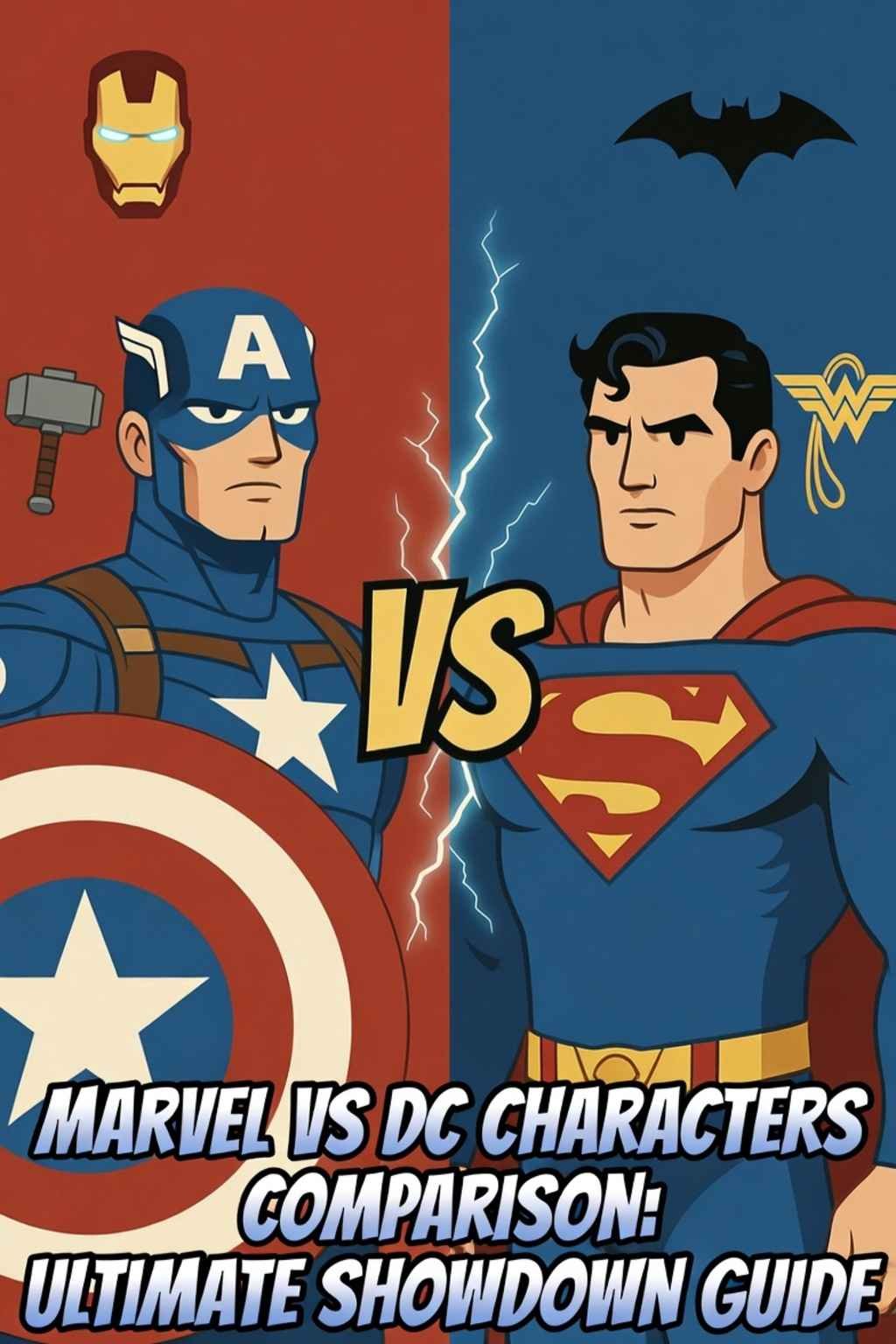
The debate of Marvel vs DC characters has been one of the most exciting discussions in pop culture for decades. Fans across the world continue to argue about which universe creates better heroes, stronger villains, and more engaging stories. This rivalry is not just about comics anymore. It has expanded into movies, TV shows, and global fan communities.
At the center of this debate are two legendary companies, Marvel Comics and DC Comics. Both have shaped the superhero genre in unique ways. Marvel introduced heroes who feel like real people, while DC built characters who feel like timeless icons. This difference is what keeps the Marvel vs DC comparison alive and relevant today.
When you look at characters like Spider-Man or Iron Man, you see heroes dealing with everyday struggles. They worry about money, relationships, and personal failures. On the other hand, DC heroes like Superman and Batman represent ideals. They stand for hope, justice, and strength on a much larger scale.
This blog will take a deep look at the Marvel vs DC characters comparison. It will explore how their origins, powers, and personalities differ. It will also examine how storytelling styles shape the way audiences connect with each universe.
By the end, you will have a clear understanding of what makes Marvel and DC unique. Whether you prefer grounded heroes or larger than life legends, this guide will help you decide where you stand in the Marvel vs DC debate.
Core Philosophy: Relatable Heroes vs Mythic Legends
One of the biggest differences in the Marvel vs DC comparison is the core philosophy behind their characters. This difference shapes how stories are told and how audiences connect with heroes.
Marvel focuses on making its characters feel human. Heroes like Spider-Man are not perfect. Peter Parker struggles with school, money, and responsibility. His life is filled with challenges that many readers understand. This makes Marvel heroes feel close to real life.
Another example is Iron Man. Tony Stark is a genius, but he is also flawed. He deals with ego, guilt, and the consequences of his actions. These personal struggles are a key part of Marvel storytelling. They make victories feel earned and failures feel meaningful.
In contrast, DC takes a different approach. Its heroes are often presented as symbols. Superman is not just a hero. He represents hope and moral strength. His stories are less about daily struggles and more about doing what is right in difficult situations.
Wonder Woman is another strong example. She stands for truth, justice, and compassion. Her character feels larger than life, almost like a mythological figure. This gives DC stories a more epic and timeless quality.
Here is a simple way to understand this difference:
- Marvel heroes feel like people you could meet
- DC heroes feel like legends you look up to
This philosophical gap is at the heart of the Marvel vs DC characters debate. Some fans prefer the emotional and realistic approach of Marvel. Others enjoy the powerful and symbolic nature of DC.
Both styles are effective in their own way. They simply offer different experiences to the audience.
Character Origins: Realism vs Mythology
Another important aspect of the Marvel vs DC characters comparison is how heroes get their powers. The origins of characters play a major role in shaping their stories and personalities.
Marvel often uses science and realism as the foundation for its characters. Many heroes gain their powers through accidents, experiments, or technology. For example, Hulk is created through exposure to gamma radiation. This type of origin feels connected to real world science, even if it is exaggerated.
Captain America is another example. He becomes a super soldier through a scientific experiment. His story is rooted in human effort and innovation. This makes Marvel characters feel grounded and believable.
In contrast, DC often uses mythology, destiny, and larger concepts. Superman is an alien from Krypton who gains incredible powers under Earth’s sun. His origin is not about science alone. It is about being a symbol of hope in a new world.
Aquaman comes from Atlantis, a lost underwater kingdom. His story feels like a legend rather than a scientific event. This adds a sense of mystery and grandeur to DC characters.
These differences can be summarized clearly:
- Marvel origins are often scientific and accidental
- DC origins are often mythical and destiny driven
Because of this, Marvel stories tend to feel closer to reality. DC stories feel more like modern myths or epic tales.
This contrast is one of the key reasons why the Marvel vs DC debate continues. It shapes how fans connect with characters and how they experience each universe.
World-Building: Real Cities vs Fictional Universes
A major factor in the Marvel vs DC characters comparison is how each universe builds its world. The setting plays a big role in how stories feel and how audiences connect with them.
Marvel chooses to ground its stories in real locations. Most Marvel events take place in New York City or other real parts of the world. When you see Spider-Man swinging through Manhattan or Doctor Strange protecting reality in a familiar setting, it creates a strong sense of realism. Readers and viewers can imagine these events happening in their own world.
This approach makes Marvel stories feel immediate and relatable. It connects fantasy with reality in a simple way. When destruction happens, it feels closer to home because the places are real.
On the other hand, DC builds a more stylized and symbolic universe. Instead of real cities, it uses fictional locations like Gotham City and Metropolis. These cities are not just settings. They represent ideas.
Gotham City is dark, corrupt, and filled with fear. It reflects the tone of Batman stories. Metropolis is bright and hopeful, matching the ideals of Superman. These environments are designed to support the identity of each hero.
Here is a simple comparison:
- Marvel uses real world locations to create realism
- DC uses fictional cities to build symbolic meaning
This difference changes how stories are experienced. Marvel feels grounded and close to reality. DC feels larger and more stylized.
Both approaches are effective. They simply create different types of immersion for the audience. This is why world-building remains an important part of the Marvel vs DC debate
Power Levels: Balanced Heroes vs God-Level Strength
Another key point in the Marvel vs DC comparison is the difference in power levels. This affects how conflicts are built and how stories unfold.
Marvel characters usually have clear limits. Their powers come with weaknesses, and they often struggle to win fights. Heroes like Black Widow and Hawkeye do not have superhuman strength. They rely on skill, training, and strategy. Even stronger characters like Hulk are not always in control of their power.
This balance creates tension. It makes battles feel uncertain and more personal. The audience can see the effort behind every victory.
In contrast, DC heroes are often extremely powerful. Superman can fly, lift massive objects, and survive extreme conditions. Flash can move faster than time itself. These abilities push the limits of imagination.
Because of this, DC stories often focus on larger threats. The challenges are not just physical. They are moral and philosophical. The question is not always whether the hero can win, but how they choose to use their power.
A simple breakdown looks like this:
- Marvel heroes have balanced powers with clear limits
- DC heroes often have near limitless abilities
This difference changes the tone of storytelling. Marvel creates grounded conflicts. DC creates epic battles.
The debate over strength is a big part of fan discussions. Some prefer realistic struggles, while others enjoy watching god-like heroes face impossible challenges.
Villains Comparison: Personal Enemies vs Ideological Threats
Villains are just as important as heroes in the Marvel vs DC characters comparison. The way each universe builds its villains shows another major difference in storytelling.
Marvel villains are often closely connected to the hero. Their conflicts are personal. For example, Green Goblin is deeply tied to Spider-Man. Their rivalry is not just about power. It is about betrayal, loss, and emotional conflict.
Many Marvel villains reflect the flaws of the hero. They show what the hero could become under different choices. This creates strong emotional tension in the story.
In contrast, DC villains often represent larger ideas. Joker is not just an enemy of Batman. He represents chaos and unpredictability. His goal is to challenge Batman’s sense of order and morality.
DC villains tend to focus on philosophy and symbolism. They push heroes to question their beliefs and values. The conflict becomes deeper than just winning a fight.
Here is a clear comparison:
- Marvel villains are personal and emotionally connected
- DC villains are symbolic and idea driven
Both styles create strong stories. Marvel focuses on emotional depth. DC focuses on philosophical conflict.
This difference is one of the reasons why the Marvel vs DC debate continues to stay relevant. Fans connect with different types of storytelling, and villains play a major role in that choice.
Tone and Storytelling Style
A key aspect of the Marvel vs DC characters comparison is the difference in tone and storytelling. How stories are told affects how audiences connect with heroes and villains, and it shapes the overall experience of each universe.
Marvel stories are generally lighter in tone, even when dealing with serious issues. Humor is a big part of the storytelling. Characters like Spider-Man use wit and sarcasm to cope with challenges. Emotional conflicts are explored deeply, and heroes often face moral dilemmas that reflect real-life struggles. This approach makes Marvel stories relatable and engaging. Audiences can see themselves in the heroes’ challenges, victories, and failures.
DC, on the other hand, often takes a darker and more serious approach. Its stories focus on high stakes, moral questions, and larger-than-life consequences. Batman operates in a grim world where crime and corruption are pervasive. Themes like justice, responsibility, and fear are central to DC narratives. Even the bright heroes, like Superman, face dilemmas that question the nature of power and morality. This style gives DC stories a timeless, epic quality that appeals to fans who enjoy thought-provoking and intense storytelling.
In summary:
- Marvel storytelling emphasizes humor, emotional depth, and human relatability
- DC storytelling emphasizes serious themes, moral dilemmas, and symbolic conflict
Both approaches are successful in their own way. Marvel focuses on making heroes accessible and human. DC focuses on creating iconic, legendary figures who inspire awe. The difference in tone is a major reason why fans feel so strongly about their preferred universe.
Movies and Pop Culture Impact
The Marvel vs DC characters comparison extends beyond comics into movies, TV shows, and global fan culture. Both universes have made significant cultural impacts, but they do so in different ways.
The Marvel Cinematic Universe has redefined modern blockbuster cinema. By connecting multiple movies into one shared universe, Marvel created a consistent and engaging narrative that keeps audiences invested. Characters like Iron Man, Captain America, and Thor become part of larger stories, creating anticipation for every new release. The balance of action, humor, and character development helps Marvel movies appeal to a wide audience.
DC has also made a strong cultural impact, but its approach is different. The DC Extended Universe focuses on iconic heroes and epic storytelling. Movies featuring Superman, Batman, and Wonder Woman highlight larger-than-life conflicts and philosophical themes. DC films often explore darker themes and moral questions, which appeals to viewers who enjoy epic and thought-provoking storytelling.
Pop culture impact is also evident in merchandise, fan communities, and conventions. Both Marvel and DC have inspired millions of fans to create art, write fan fiction, and participate in cosplay. This cultural footprint shows how both universes continue to shape entertainment worldwide.
In short:
- Marvel movies emphasize interconnected storytelling, humor, and relatable heroes
- DC movies emphasize iconic heroes, epic scale, and serious themes
Both have transformed how audiences experience superhero stories. The debate continues because each universe offers a unique way to engage with pop culture.
Who Wins: Marvel or DC?
The ultimate question in the Marvel vs DC characters comparison is simple: who wins? The answer is not straightforward because both universes excel in different areas.
Marvel wins when it comes to relatability. Its heroes feel human, flawed, and approachable. Audiences connect emotionally with characters like Spider-Man and Iron Man. Their struggles are personal, and victories feel earned. This makes Marvel especially appealing to readers and viewers who want to see themselves reflected in heroes.
DC wins when it comes to iconic storytelling and larger-than-life characters. Heroes like Superman and Wonder Woman inspire awe and admiration. The stakes in DC stories are often epic, the villains are symbolic, and the themes are timeless. DC appeals to fans who enjoy mythic narratives and grand heroic ideals.
Ultimately, the winner depends on what you value in a superhero story. Some readers prefer grounded heroes who face personal challenges. Others prefer legendary figures who represent ideals and inspire awe.
Both Marvel and DC have left an indelible mark on comics, movies, and global culture. The debate is less about finding a definitive winner and more about appreciating the strengths of each universe.
Two Legends, One Endless Debate
The battle between Marvel vs DC characters is not just a comic book rivalry. It represents two very different approaches to heroism, storytelling, and imagination. Both universes have shaped modern pop culture in ways that continue to captivate millions of fans around the world.
Marvel heroes are relatable, human, and grounded in reality. Characters like Spider-Man and Iron Man face personal challenges, moral dilemmas, and everyday struggles. Their victories feel earned because they work through limitations and failures. This focus on realism and emotional depth makes Marvel stories accessible to a wide audience.
DC heroes, in contrast, are larger-than-life icons. Superman, Batman, and Wonder Woman represent ideals like hope, justice, and strength. Their stories are epic, symbolic, and timeless. DC appeals to fans who enjoy grand narratives and mythic storytelling.
The universes also differ in world-building, powers, villains, and tone. Marvel creates grounded, personal conflicts set in real cities. DC crafts symbolic, larger-than-life struggles in fictional worlds. Marvel villains mirror hero flaws. DC villains represent philosophical ideas. Marvel stories balance humor and emotion. DC stories emphasize epic and moral themes. These contrasts make the Marvel vs DC comparison endlessly fascinating.
In the end, there is no definitive winner. The choice between Marvel and DC comes down to personal preference. Some fans love the relatability and humor of Marvel. Others prefer the iconic, legendary storytelling of DC. Both universes have their own strengths and have contributed massively to the superhero genre.
The real takeaway is that both Marvel and DC continue to inspire, entertain, and provoke discussion. Whether you lean toward grounded, emotional heroes or larger-than-life legends, appreciating both universes enriches your understanding of the world of superheroes. The Marvel vs DC debate will continue, but it is a debate worth having because it celebrates creativity, imagination, and the power of storytelling.