The Future of Superhero Comics: Trends You Can’t Ignore
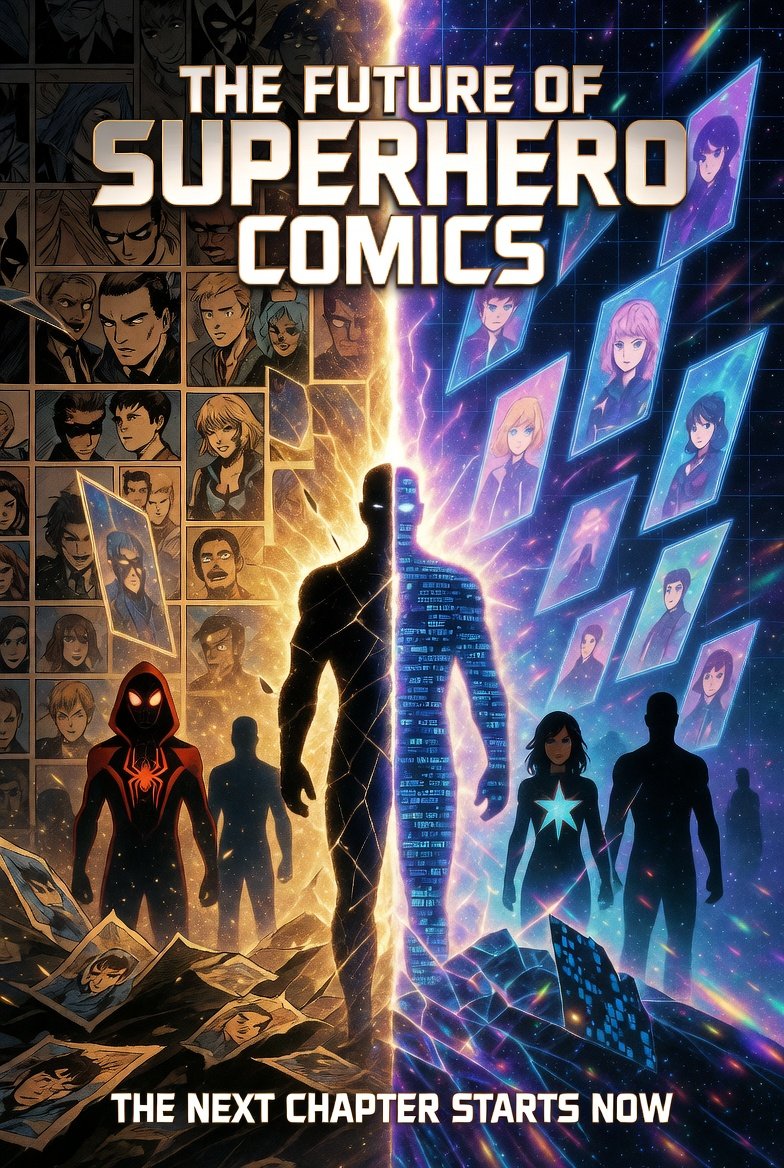
Are superhero comics dying, or are they evolving into something more powerful than ever before? This is a question many fans are asking as the industry continues to shift in unexpected ways. The truth is that the future of superhero comics is not about decline. It is about transformation.
For decades, superhero stories followed a familiar formula. Heroes fought villains. Good triumphed over evil. Stories were straightforward and easy to follow. But modern readers expect more depth, more emotion, and more complexity. This demand has pushed the industry to evolve into something far richer and more layered.
Today, the comic book industry is no longer limited to printed pages. It has become a global storytelling system that influences movies, television, video games, and digital platforms. Major publishers like Marvel Comics and DC Comics are at the center of this evolution, constantly adapting to new trends and audience expectations.
At the same time, new platforms and creators are entering the scene, expanding the reach of superhero storytelling. Digital platforms, diverse characters, and interconnected universes are reshaping how stories are created and consumed. This shift is opening doors for new voices and new ideas.
In this blog, we will explore the most important trends shaping the future of superhero comics. From darker storytelling and greater representation to digital transformation and global expansion, each trend plays a key role in defining where the industry is heading.
By the end, you will have a clear understanding of how superhero comics are changing and why these changes matter. More importantly, you will see how these trends are not just shaping comics but redefining what it means to be a superhero in today’s world.
The Rise of Darker and More Mature Storytelling
One of the most noticeable trends in the future of superhero comics is the shift toward darker and more mature storytelling. Traditional superhero comics often focused on simple themes of heroism and justice. However, modern audiences are looking for stories that feel more real and emotionally complex.
This change has led to the rise of darker superhero comics that explore human flaws, moral dilemmas, and psychological depth. Stories are no longer just about defeating villains. They now focus on internal struggles, consequences, and ethical challenges. This makes characters feel more relatable and grounded.
A major influence in this shift comes from groundbreaking works like Watchmen. This series changed how people viewed superhero narratives by introducing complex characters and morally ambiguous situations. Similarly, The Boys pushes the boundaries of superhero storytelling by presenting a world where heroes are not always good and sometimes act in disturbing ways.
These types of stories resonate with modern readers because they reflect real-world complexity. Today’s audience is more aware of social issues, mental health, and ethical gray areas. As a result, they prefer stories where heroes struggle, fail, and grow.
Another important aspect of this trend is character development. In older comics, heroes often stayed the same over time. Now, characters evolve based on their experiences. They face consequences for their actions. They deal with loss, trauma, and difficult decisions. This adds emotional weight to the story and keeps readers invested.
The rise of darker storytelling also allows creators to explore new themes. These include politics, identity, power, and corruption. These themes make superhero comics more than just entertainment. They turn them into meaningful stories that reflect real life.
In the future of superhero comics, this trend will continue to grow. Readers want depth, and creators are delivering it. As a result, superhero stories are becoming more mature, more complex, and more engaging than ever before.
Diversity and Representation Are Reshaping Heroes
Another powerful trend shaping the future of superhero comics is the growing focus on diversity and representation. For many years, superhero stories were dominated by a narrow range of characters. Today, that is changing in a big way.
Modern audiences come from all over the world. They have different cultures, backgrounds, and experiences. Because of this, they want to see characters they can relate to. This is where diverse superheroes play an important role.
Publishers like Marvel Comics and DC Comics have introduced a wide range of new heroes who reflect global audiences. Characters like Miles Morales and Kamala Khan are perfect examples. They bring fresh perspectives while still honoring the legacy of classic heroes.
Miles Morales represents a new generation of Spider-Man. His story highlights themes of identity, responsibility, and cultural heritage. Kamala Khan, on the other hand, represents a young Muslim superhero navigating both her personal life and her heroic duties. These characters resonate deeply with readers who see themselves reflected in their journeys.
Representation in comics is not just about adding new characters. It is about telling authentic stories that reflect real experiences. This includes exploring different cultures, languages, and traditions. It also involves addressing issues such as discrimination, identity struggles, and social challenges.
This trend is expanding the global readership of superhero comics. When readers see characters that look like them or share similar experiences, they feel more connected to the story. This emotional connection increases engagement and loyalty.
Diversity also benefits storytelling itself. It brings new ideas, new conflicts, and new perspectives. Writers can explore different types of heroes and different ways of defining heroism. This keeps the genre fresh and exciting.
In the future of superhero comics, diversity will continue to play a major role. As the audience becomes more global and more diverse, the stories will reflect that reality. This will lead to richer storytelling and a stronger connection between readers and the characters they love.
The Digital Revolution in Comics
The future of superhero comics is also being shaped by the rapid rise of digital platforms. The way people read comics has changed dramatically in recent years. Instead of relying only on physical copies, readers now have instant access to comics through their devices.
Platforms like Webtoon and ComiXology have transformed how comics are distributed and consumed. These platforms allow readers to access thousands of stories anytime and anywhere. This convenience has played a major role in expanding the global audience.
One of the biggest advantages of digital comics is accessibility. Readers no longer need to visit a store or wait for new issues. They can simply open an app and start reading immediately. This has made comics more accessible to people in regions where printed comics were not widely available.
Another important feature of digital comics is the mobile-first format. Many platforms use vertical scrolling, which is designed specifically for smartphones. This format creates a smooth and immersive reading experience. It also allows creators to experiment with pacing, panel layout, and storytelling techniques.
Digital platforms have also opened doors for independent creators. In the traditional publishing system, it was often difficult for new creators to break into the industry. Now, anyone with talent and a story can publish their work online and reach a global audience.
This shift has contributed to the rise of independent comics and new voices in the industry. It encourages creativity and innovation. It also allows for more diverse and experimental storytelling styles.
Compared to traditional print comics, digital comics offer more flexibility and reach. While print still has its value, digital platforms are becoming a dominant force in the future of superhero comics. They provide instant access, global distribution, and creative freedom.
As technology continues to evolve, digital comics will likely become even more advanced. This could include interactive features, animated panels, and personalized reading experiences. The digital revolution is not just changing how comics are read. It is reshaping the entire future of superhero storytelling.
The Power of Cross-Media Storytelling
One of the most influential trends shaping the future of superhero comics is cross-media storytelling. Today, superhero stories are no longer limited to comic books. They extend into movies, television series, video games, and streaming platforms. This expansion has completely changed how audiences experience superhero narratives.
A major example of this trend is the Marvel Cinematic Universe. This interconnected universe has shown how stories can grow across multiple formats while still remaining connected. Characters introduced in comics can appear in films, and events in movies can influence future comic storylines. This creates a continuous storytelling loop that keeps fans deeply engaged.
Cross-media storytelling allows creators to build larger and more complex worlds. Instead of telling a single story, they can tell multiple stories that connect with each other. This gives fans a richer experience and encourages them to follow characters across different platforms.
For example, a character might be introduced in a comic series, gain popularity, and then appear in a movie or animated series. This kind of progression keeps the character relevant while expanding their audience. It also allows creators to explore different aspects of the same character in different formats.
Another key benefit of cross-media storytelling is fan engagement. Fans are no longer just readers. They are active participants in a larger universe. They discuss theories, follow timelines, and explore connections between different stories. This creates a strong community around superhero content.
In the future of superhero comics, cross-media storytelling will continue to grow. As technology improves, we can expect even deeper integration between comics and other forms of media. This will lead to more immersive storytelling experiences that blur the line between different entertainment formats.
The Rise of Indie and Creator-Owned Comics
Another important trend in the future of superhero comics is the rise of indie and creator-owned comics. For many years, the comic book industry was dominated by major publishers like Marvel Comics and DC Comics. While these companies still play a major role, independent creators are now gaining more visibility and influence.
Creator-owned comics give writers and artists full control over their work. This means they can explore unique ideas without being restricted by established characters or long-running storylines. This creative freedom leads to more original and experimental stories.
One of the biggest advantages of indie comics is innovation. Independent creators often take risks that larger publishers may avoid. They experiment with new art styles, storytelling techniques, and genres. This results in fresh and exciting content that stands out in the market.
Crowdfunding platforms and digital publishing have also made it easier for creators to produce and distribute their work. Instead of relying on traditional publishers, creators can now connect directly with their audience. This has lowered barriers to entry and allowed more voices to be heard.
Indie comics often explore themes that are less common in mainstream superhero stories. These can include personal struggles, social issues, or unconventional hero journeys. This diversity of content adds depth to the overall comic book industry.
Readers are increasingly drawn to indie comics because they offer something different. They provide new perspectives and unique storytelling experiences. Many fans enjoy discovering hidden gems that are not part of mainstream franchises.
In the future of superhero comics, indie and creator-owned stories will continue to grow in importance. They will push the boundaries of the genre and introduce new ideas that influence the entire industry.
Technology Is Changing the Comic Experience
Technology is playing a major role in shaping the future of superhero comics. As digital tools continue to evolve, they are transforming how stories are created, distributed, and experienced. This is opening up new possibilities for both creators and readers.
One of the most exciting developments is the use of interactive and immersive technologies. Augmented reality and virtual reality are beginning to influence how comics can be experienced. These technologies allow readers to step into the story and interact with characters and environments in new ways.
Artificial intelligence is also starting to impact comic creation. AI tools can assist with coloring, layout design, and even story generation. This helps creators work faster and explore new creative possibilities. However, human creativity still remains at the core of storytelling.
Digital comics are also becoming more advanced. Features like animated panels, sound effects, and interactive elements are enhancing the reading experience. These additions make stories more engaging and dynamic compared to traditional static pages.
Personalization is another key aspect of future technology in comics. In the future, readers may be able to influence story outcomes or customize their reading experience. This would make each story unique to the individual reader.
Technology is also helping creators reach a global audience. Digital platforms allow comics to be shared instantly across different countries. This expands the reach of superhero stories and introduces them to new audiences worldwide.
As technology continues to advance, the definition of a comic may evolve. It may no longer be limited to printed pages but become a fully interactive and multimedia experience. This transformation will play a major role in the future of superhero comics and how stories are told.
The Globalization of Superhero Stories
One of the most powerful forces shaping the future of superhero comics is globalization. Superhero storytelling is no longer limited to one country or culture. It has become a worldwide phenomenon that brings together creators and audiences from different parts of the globe.
In the past, the comic book industry was largely dominated by Western publishers like Marvel Comics and DC Comics. While these companies still lead the market, international influences are now playing a much bigger role. Styles, themes, and storytelling techniques from different regions are blending together to create something new and exciting.
A major influence in this globalization is manga and international webcomics. These formats have introduced new storytelling styles, such as vertical reading and long-form narratives that differ from traditional Western comics. As a result, readers are exposed to a wider range of storytelling approaches.
Globalization also means that superhero stories are reaching new audiences. Thanks to digital platforms and translations, readers from different countries can access comics that were once unavailable to them. This has expanded the global comics audience and increased cultural exchange within the industry.
Another important aspect is the creation of international superheroes. These characters reflect local cultures, traditions, and social issues. They offer readers a chance to see heroes that represent their own background and experiences. This strengthens the emotional connection between the reader and the story.
Collaboration between global creators is also becoming more common. Writers, artists, and publishers from different countries are working together to create stories that appeal to a worldwide audience. This collaboration leads to more diverse and innovative storytelling.
In the future of superhero comics, globalization will continue to break boundaries. Stories will become more inclusive, more diverse, and more connected across cultures. This will help shape a truly global comic book industry.
The Future of Superhero Comics Is Bigger Than Ever
The future of superhero comics is not just about change. It is about evolution. From darker storytelling and greater representation to digital innovation and global expansion, every trend is pushing the industry forward.
Superhero comics are no longer limited to simple stories or printed pages. They have become a powerful form of global entertainment that connects with audiences across different platforms and cultures. This transformation shows that the industry is not fading. It is growing stronger and more dynamic.
Modern readers expect more from their stories. They want depth, diversity, and innovation. The comic book industry is responding to these expectations by creating richer narratives and more inclusive characters. This ensures that superhero comics remain relevant in an ever-changing world.
At the same time, technology and globalization are opening new doors. Digital platforms, international creators, and cross-media storytelling are expanding the reach of superhero stories like never before. This is creating endless possibilities for the future.
As we look ahead, one thing is clear. The definition of a superhero is changing. It is no longer just about strength or powers. It is about identity, purpose, and connection.
The future of superhero comics is bright, diverse, and full of opportunity. And for fans, creators, and new readers alike, this is only the beginning of an exciting new era.