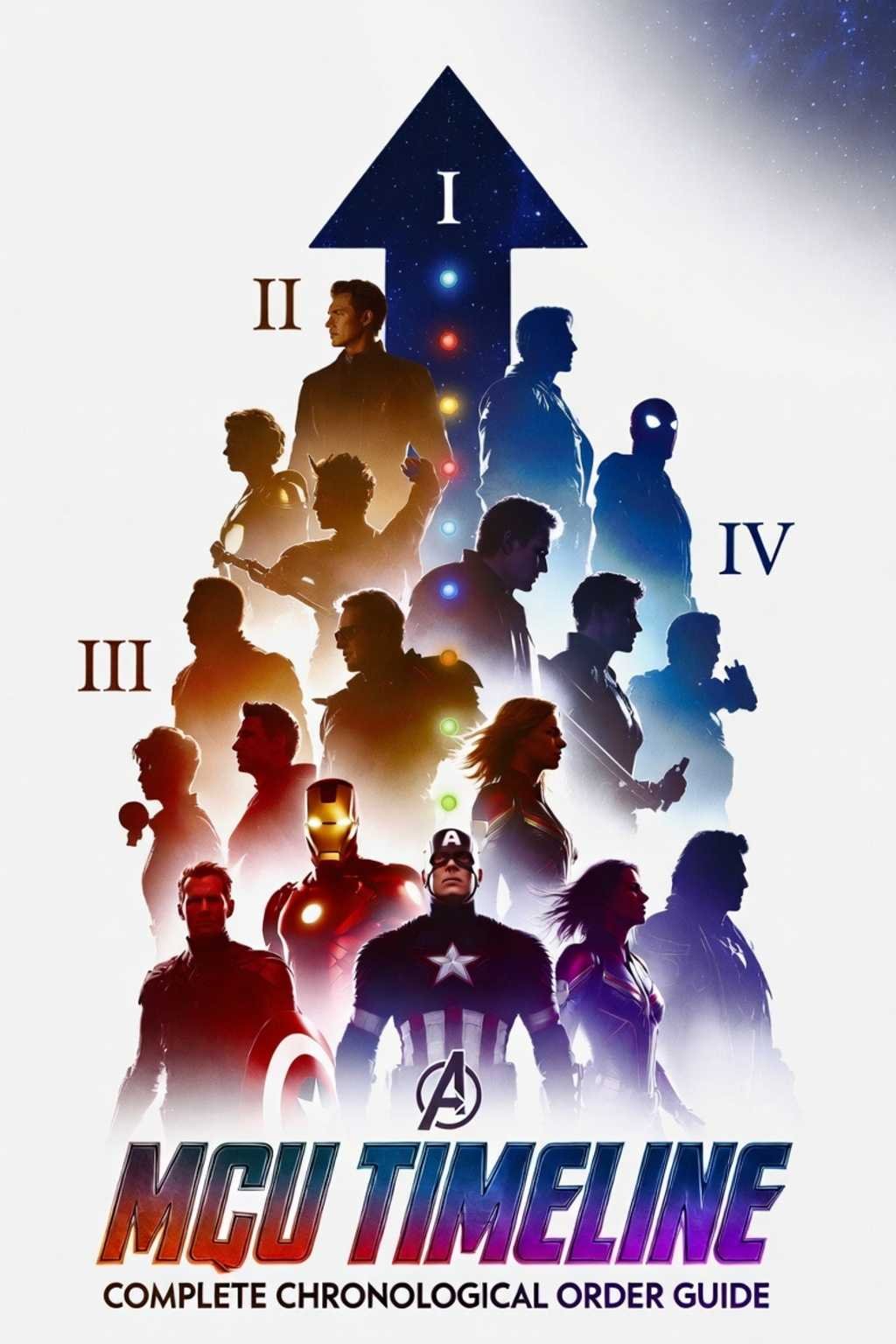
Marvel Timeline Explained
Why the Marvel Timeline Matters
Ever wondered if the Marvel movies actually make sense when watched in release order? The Marvel Cinematic Universe, or MCU, is one of the largest and most complex storytelling universes ever created. With over thirty films and numerous Disney+ series, it can be difficult to keep track of the storylines and character arcs. Watching the movies without understanding the timeline can leave even loyal fans confused about how events connect across different films. Understanding the Marvel timeline allows viewers to see the bigger picture and follow the progression of each hero’s journey. It also makes the experience more enjoyable because you can notice small connections, foreshadowing, and story threads that might be missed otherwise.
The MCU is organized into phases. Each phase introduces new characters, develops existing ones, and sets up major events that culminate in team-up films or larger story arcs. The timeline includes not only movies but also television series, which often explore side stories, background details, and alternate perspectives. Knowing the chronological order helps viewers understand the sequence of events, especially when films involve time travel, flashbacks, or multiverse concepts.
There are two ways to watch the MCU. Release order means watching the films as they came out in theaters. This approach allows you to experience the story as the world experienced it, with surprises, reveals, and evolving visual effects. Chronological order means watching events in the order they occur within the story world. This helps make sense of the plot and character development across decades and worlds. Both approaches have advantages, but for someone new to the MCU, chronological order can provide a smoother understanding of the narrative.
In this blog, we will explain the Marvel Cinematic Universe timeline in detail. You will learn the chronological order of all films and series, how the phases connect, and why understanding the timeline is important. We will cover the origins of heroes, the Infinity Saga, and the multiverse era. By the end of this guide, you will be able to watch the MCU with clarity and enjoy all the hidden connections and exciting storylines. This guide is designed for casual viewers and hardcore fans alike.
Understanding the MCU Timeline
The Marvel Cinematic Universe timeline can be confusing because it does not follow a simple linear order. Some films take place decades before others, while some events overlap. Time travel and alternate realities make the timeline even more complex. The chronological order helps organize these events so viewers can follow the story without missing important details. For example, Captain America: The First Avenger is set during World War Two, long before most other films. Avengers: Endgame involves time travel, which connects multiple decades of events into a single story. Watching the films chronologically allows viewers to see the story as it unfolds in the MCU universe rather than the order movies were released.
Each phase of the MCU builds on the previous one. Phase 1 introduces key heroes and sets up the Avengers initiative. Phase 2 expands the universe with new characters, cosmic adventures, and consequences from earlier films. Phase 3 is the Infinity Saga, where the stakes rise and the main storylines converge. Phase 4 and beyond introduce the multiverse and explore alternate realities, opening new possibilities for characters and events.
When understanding the MCU timeline, it is important to consider both movies and Disney+ series. Shows like WandaVision, Loki, and Ms. Marvel expand the story, revealing events that run parallel to films or provide context for future movies. Visual aids such as charts or tables can help map out the timeline, showing how films and series align across decades and worlds. These charts help viewers track which events happen first, which characters appear, and how storylines overlap.
Another important factor is the difference between release order and chronological order. Release order preserves the intended narrative experience with surprises and reveals. Chronological order provides a more straightforward understanding of events and character development. Understanding both approaches allows viewers to choose how they want to experience the MCU. Watching chronologically can make time travel and complex events easier to follow, while watching in release order preserves excitement and surprise.
By learning the Marvel Cinematic Universe chronological order, fans can gain a deeper appreciation of the story. Each connection between films and series becomes clearer, and the arcs of heroes such as Iron Man, Captain America, and Thor are easier to follow. Knowing the timeline also helps in understanding major events like the rise of Thanos, the Infinity Stones, and the formation of the Avengers.
Phase 1 – Origins of the Heroes
Phase 1 of the Marvel Cinematic Universe introduces the foundation of the story. It focuses on individual heroes, their origins, and how they come together in the first team-up film, The Avengers. The chronological order of Phase 1 begins with Captain America: The First Avenger. This film takes place during World War Two and introduces Steve Rogers, a young man transformed into a super-soldier. It establishes the Tesseract as the first Infinity Stone and sets up events that influence the entire MCU. The story of Captain America is central to understanding the early history of the universe.
Next is Iron Man, which introduces Tony Stark, a genius inventor and billionaire. After being captured and building his first Iron Man suit, Tony transforms from a self-centered businessman into a hero committed to protecting the world. Iron Man 2 follows closely, continuing his story and showing his increasing involvement with S.H.I.E.L.D. and the Avengers initiative. These films also hint at future conflicts and the formation of a team of heroes.
Thor expands the MCU beyond Earth, introducing the Norse god of thunder and the world of Asgard. The film connects to the Tesseract and Loki, establishing a larger cosmic narrative. The Incredible Hulk takes place around the same time, showing Bruce Banner’s struggle with his transformation and linking him to S.H.I.E.L.D. as well. These films, although seemingly separate, all contribute to the larger story.
Phase 1 culminates in The Avengers, where the heroes come together for the first time. Nick Fury and S.H.I.E.L.D. bring Iron Man, Captain America, Thor, Hulk, Black Widow, and Hawkeye together to stop Loki and the invading Chitauri army. The events of this film establish the shared universe and demonstrate how each hero’s individual story connects to others. Phase 1 shows the growth of characters, the importance of teamwork, and the beginning of a universe-wide story.
Fun details and Easter eggs are scattered throughout Phase 1. Watching in chronological order allows viewers to notice early references to future events, the Tesseract, and other Infinity Stones. It also shows the progression of technology, relationships, and conflicts that set the stage for later phases. Phase 1 is essential to understanding the Marvel timeline and gives context to the challenges the Avengers will face in the coming stories.
Phase 2 – Expanding the Universe
Phase 2 of the Marvel Cinematic Universe builds on the foundation laid in Phase 1. This phase introduces new heroes, explores cosmic adventures, and deepens the storylines of existing characters. The chronological order begins with Iron Man 3, which takes place after The Avengers. Tony Stark deals with the emotional and physical consequences of the Battle of New York. The film explores his fears and trauma, showing his growth as a hero and setting the stage for future leadership within the Avengers.
Next is Thor: The Dark World. This film focuses on Thor’s struggle against the Dark Elves, led by Malekith. The movie expands the cosmic side of the MCU and explores Thor’s responsibility as a protector of realms beyond Earth. The Tesseract is again featured, linking the story to larger universe events. Captain America: The Winter Soldier follows, showing Steve Rogers adapting to modern life while uncovering a hidden conspiracy within S.H.I.E.L.D. The Winter Soldier introduces one of the MCU’s most important story arcs, with Bucky Barnes returning as a brainwashed assassin. This film also emphasizes trust, friendship, and loyalty, which will be tested in later phases.
Guardians of the Galaxy introduces an entirely new set of heroes in a cosmic setting. The film explores the Infinity Stones further and sets up future cosmic conflicts. It highlights teamwork, humor, and unexpected friendships. Avengers: Age of Ultron reunites the original team and introduces new members such as Vision, Wanda, and Pietro Maximoff. The film explores the consequences of unchecked ambition and the dangers of artificial intelligence. It also advances the story of the Infinity Stones, particularly the Mind Stone embedded in Vision.
Finally, Ant-Man closes Phase 2, focusing on Scott Lang’s transformation from a small-time thief to a hero who can shrink and manipulate size. The film introduces advanced technology and the Quantum Realm, which will play a major role in Phase 3. Phase 2 demonstrates the MCU’s expansion into new genres, from political thrillers to space adventures. It highlights the interconnectedness of characters and events, making it clear that every story contributes to the larger universe.
Watching Phase 2 in chronological order allows viewers to see character development, foreshadowing, and story progression. It shows how early decisions and consequences shape future events. Phase 2 sets up the Infinity Saga and builds excitement for the major conflicts that will dominate Phase 3. Understanding Phase 2 is essential for appreciating the depth and complexity of the Marvel timeline.
Phase 3 – The Infinity Saga
Phase 3 is often called the Infinity Saga, covering the events leading to the confrontation with Thanos and the ultimate fate of the universe. It begins with Captain America: Civil War, which shows internal conflicts among the Avengers. Differences in philosophy cause a split between Iron Man and Captain America, introducing Spider-Man and Black Panther. The film explores themes of responsibility, loyalty, and the consequences of power, setting the stage for the universe-wide struggle to come.
Doctor Strange introduces the mystical side of the MCU. Stephen Strange discovers the multiverse, learns magic, and gains powers that will influence later events. The movie also connects to the Infinity Stones, particularly the Time Stone, and establishes cosmic rules that explain events in Infinity War and Endgame. Guardians of the Galaxy Vol. 2 continues the cosmic story, exploring the past of Peter Quill and the relationship between family, identity, and responsibility.
Spider-Man: Homecoming and Thor: Ragnarok develop individual heroes while tying them to the larger story. Peter Parker learns what it means to be a hero on a personal level, while Thor faces the destruction of Asgard and grows into a leader capable of confronting Thanos. Black Panther introduces Wakanda and its advanced technology, which becomes crucial in later battles.
Avengers: Infinity War unites nearly all heroes to fight Thanos, who seeks all six Infinity Stones. The stakes are universal, and the outcome is catastrophic, with half of all life wiped out. Ant-Man and the Wasp runs parallel to Infinity War, showing smaller-scale heroics and introducing the Quantum Realm as a solution for the future. Avengers: Endgame follows, dealing with time travel, the consequences of Thanos’ actions, and the resolution of multiple character arcs. It connects decades of stories into one climactic event.
Finally, Spider-Man: Far From Home shows the aftermath, focusing on Peter Parker coping with loss and the impact of the Avengers’ final battle. Phase 3 completes the Infinity Saga, tying together all the heroes, villains, and cosmic forces introduced in earlier phases. Watching Phase 3 chronologically makes the complex storylines easier to follow and highlights the emotional depth of each hero’s journey.
Phase 4 and Beyond – The Multiverse Era
Phase 4 begins a new era in the Marvel Cinematic Universe, exploring the consequences of the Infinity Saga and introducing the multiverse. Disney+ series such as WandaVision, Loki, and Ms. Marvel expand the story beyond films, exploring alternate timelines, new heroes, and different dimensions. This phase explores how characters deal with loss, identity, and power in a universe that is more complex than ever.
WandaVision focuses on Wanda Maximoff coping with grief and her desire to create a reality where she can be with Vision. Loki introduces alternate versions of the character and the concept of a multiverse that can diverge into infinite timelines. Ms. Marvel introduces Kamala Khan, a new young hero who represents the next generation of Avengers. These stories show the MCU branching out, allowing smaller-scale stories to impact larger events.
New films in Phase 4 continue this trend. Doctor Strange in the Multiverse of Madness explores alternate realities and consequences of tampering with timelines. Spider-Man: No Way Home brings characters from previous Spider-Man universes into the main MCU, further emphasizing the multiverse. Upcoming projects continue to expand both the hero roster and the cosmic stakes.
Understanding Phase 4 requires knowledge of the previous phases and the timeline established so far. Watching the MCU chronologically helps make sense of the multiverse, alternate realities, and the implications for characters. Phase 4 also emphasizes that the story is no longer limited to Earth, and the universe is now more expansive and unpredictable. It sets the stage for the next generation of heroes while keeping connections to legacy characters.
Phase 4 marks the evolution of the MCU from a story about individual heroes to a complex narrative with infinite possibilities. It combines emotional depth, cosmic exploration, and multiverse concepts. Fans watching in chronological order can see how past events influence present choices and how new characters are woven into the fabric of the universe. This phase highlights the continuing complexity and richness of the Marvel timeline.
Viewing Guide – How to Watch the MCU
Watching the Marvel Cinematic Universe can be confusing because of its many movies and series. There are two main ways to enjoy the MCU: release order and chronological order. Release order means watching the films in the order they came out in theaters. This method preserves the intended surprises, plot twists, and the gradual expansion of the universe as fans experienced it. Chronological order means watching the events as they happen within the MCU timeline. This approach provides a clearer understanding of character development and story progression.
For new viewers, chronological order is often easier to follow. It begins with Captain America: The First Avenger and continues through each phase, showing events in sequence. Watching in chronological order helps make sense of time travel, character arcs, and the consequences of major battles. It also highlights the connections between characters, such as Bucky Barnes’ transformation or Tony Stark’s evolution as a hero.
Release order is better for those who want the full cinematic experience as it was originally presented. Watching in release order allows you to experience the growth of special effects, the gradual introduction of characters, and the way the MCU developed over the years. It preserves the intended surprises, like the post-credits scenes that hint at future events and create excitement for upcoming films.
A hybrid approach is also possible. For example, watching the major Avengers films in release order while fitting other movies in chronological order can help maintain suspense while keeping the story understandable. Disney+ series can be watched after their corresponding films or integrated into the timeline for a fuller experience.
Here is a suggested beginner-friendly viewing guide in chronological order:
- Captain America: The First Avenger
- Iron Man and Iron Man 2
- Thor
- The Incredible Hulk
- The Avengers
- Iron Man 3
- Thor: The Dark World
- Captain America: The Winter Soldier
- Guardians of the Galaxy
- Avengers: Age of Ultron and Ant-Man
This guide covers all essential Phase 1 and Phase 2 movies. From there, viewers can continue through the Infinity Saga in Phase 3 and the multiverse in Phase 4. Following this method ensures a logical progression of events and helps viewers fully appreciate the Marvel timeline. Whether you are a casual fan or a longtime follower, understanding how to watch the MCU improves your viewing experience.
Timeline Charts and Visual Aids
Visual aids are an important tool for understanding the Marvel Cinematic Universe timeline. The MCU spans decades of storytelling, multiple characters, and parallel events. Timeline charts and tables help map movies and series according to the chronological order of events. These visual tools make it easier for viewers to see where each film or series fits within the broader universe.
A typical MCU timeline chart lists all movies and Disney+ series from the earliest events to the most recent. For example, Captain America: The First Avenger appears at the beginning, followed by Iron Man, Thor, and The Incredible Hulk. Each phase is usually color-coded for clarity, helping viewers quickly identify which movies belong to Phase 1, Phase 2, Phase 3, and Phase 4. The charts also indicate crossover events, such as the Avengers films or appearances of characters in multiple storylines.
Infographics can also show the connections between heroes, villains, and Infinity Stones. These visuals highlight which characters interact in which movies and how events in one film influence others. For example, seeing the Mind Stone’s journey across Phase 2 and Phase 3 films in one chart makes it easier to understand its significance in the Infinity Saga.
Interactive timeline tools are available online. Fans can click on movies or series to get summaries, watch orders, and important plot points. Downloadable PDF charts are also useful for personal reference. These aids help casual viewers and new fans keep track of the MCU without losing context.
Visual aids make the complex Marvel timeline more approachable. They also increase shareability, encouraging readers to share the charts on social media or fan communities. Using a combination of charts, tables, and infographics ensures that fans of all levels can enjoy the MCU in an organized way and stay engaged with the story.
Fun Facts and Easter Eggs
One of the most exciting aspects of the Marvel Cinematic Universe is the hidden details and Easter eggs scattered throughout the films. These small touches reward attentive viewers and make watching the MCU even more enjoyable. Easter eggs range from references to comic books, subtle connections between characters, and nods to future films in the timeline.
For example, in Iron Man 2, there is a brief scene referencing Thor, which hints at the expansion of the universe beyond Earth. In Captain America: The Winter Soldier, the appearance of Hydra symbols provides important background on long-running conspiracies. Guardians of the Galaxy contains small jokes and references that foreshadow events in later cosmic stories. Even post-credits scenes often include hints of upcoming films or connections to other heroes, encouraging viewers to pay attention to details.
Some Easter eggs explain character relationships and future storylines. Tony Stark’s comment about the Avengers initiative in Iron Man becomes a significant plot point years later. Loki’s subtle appearances in multiple films establish his importance in the multiverse and Phase 4 narratives. Watching in chronological order allows fans to catch these details in the intended sequence.
Other fun facts include trivia about the production of films, hidden cameos, and behind-the-scenes references. Stan Lee cameos are one of the most famous Easter eggs, appearing in nearly every MCU film until his passing. Additionally, repeated objects such as the Tesseract or pieces of technology link movies together and maintain continuity.
Easter eggs enhance fan engagement and increase rewatch value. They provide a sense of discovery and reward viewers for paying attention. Including fun facts and hidden details also helps new fans connect the dots across the timeline, making the MCU more immersive and enjoyable. Understanding these hidden connections adds depth to the Marvel timeline and encourages fans to explore the universe multiple times.
Master the Marvel Timeline
Understanding the Marvel Cinematic Universe timeline is essential for fully enjoying the stories, characters, and events across films and series. The MCU is vast and complex, with multiple phases, overlapping storylines, and interconnected characters. By following the chronological order, viewers can see how individual movies and series connect to the larger narrative. This approach helps track character development, understand the consequences of major events, and appreciate the long-term planning behind the MCU.
Watching the MCU in chronological order highlights key story arcs. It shows Tony Stark’s journey from a billionaire inventor to a world-saving hero, Steve Rogers’ evolution from a small-town soldier to the leader of the Avengers, and Thor’s growth into a cosmic protector. It also clarifies the relationships between heroes, villains, and the influence of the Infinity Stones throughout the phases. Time travel, alternate realities, and multiverse concepts become easier to follow when events are viewed in the order they occur.
The MCU can be enjoyed in different ways. Release order provides the excitement and surprises intended for theatrical audiences, while chronological order provides clarity and continuity. Disney+ series, such as WandaVision, Loki, and Ms. Marvel, add additional layers to the story and can be integrated into either viewing method for a richer experience. Visual aids, timeline charts, and infographics can further help fans navigate the complex sequence of events and ensure no detail is missed.
Fun facts and Easter eggs also enhance the viewing experience. From subtle references in early films to post-credit scenes that tease future storylines, these details reward attentive viewers and add depth to the universe. Fans can notice recurring objects, character appearances, and hints that connect multiple phases. Paying attention to these connections enriches understanding and makes watching the MCU a more immersive experience.
By mastering the Marvel timeline, fans gain a complete understanding of the universe’s story. They can watch each film and series in context, appreciate the growth of heroes and villains, and enjoy the intricate storytelling that spans over a decade. Whether you are a new viewer or a long-time fan, following the timeline allows you to experience the Marvel Cinematic Universe in the way it was intended.
Take the time to explore the MCU fully. Watch the movies and series in chronological order, notice the hidden connections, and enjoy the journey from the origins of heroes to the multiverse era. Sharing this knowledge with friends, discussing theories, and revisiting favorite films adds even more enjoyment. The Marvel timeline is not just a sequence of films; it is a carefully crafted universe that rewards curiosity, attention, and dedication.