Most Popular Pokémon of All Time
Why Pokémon Popularity Never Fades
Pokémon is more than just a video game series. It is a global phenomenon that has captured the hearts of fans for decades. Since its debut in the 1990s, Pokémon has grown into one of the most recognizable franchises in the world. Millions of fans still debate the same question: which Pokémon is the most popular of all time?
Popularity is not about power or rarity alone. Some of the most beloved Pokémon are not the strongest or the hardest to catch. Instead, fans connect with Pokémon through design, personality, and memorable moments in games, anime, and movies. A Pokémon that helped a player win their first battle or became a companion during key moments often leaves a lasting impression.
Nostalgia plays a major role in Pokémon fandom. Childhood memories of watching the anime, collecting cards, or trading Pokémon with friends create deep emotional bonds. These early experiences often define a fan’s favorite Pokémon for life. Even decades later, Pokémon like Pikachu and Charizard continue to hold special places in the hearts of fans around the world.
Anime exposure also contributes heavily to popularity. Pokémon that appear frequently in the anime, have memorable battles, or display unique personalities tend to attract more fans. Pikachu’s loyalty to Ash or Charizard’s fiery attitude are examples of characters that became iconic through television and movies.
At the same time, newer generations of Pokémon continue to rise in popularity. Games like Pokémon Sword and Shield, Pokémon GO, and social media platforms allow fans to discover and connect with Pokémon faster than ever. This keeps the Pokémon community vibrant and constantly evolving.
In this blog, we will explore the Pokémon that have captured the hearts of fans across generations. From iconic mascots and legendary creatures to cute and emotionally resonant companions, we will uncover why certain Pokémon are loved more than others. By the end, you will understand why Pokémon popularity never fades and why these creatures continue to inspire millions around the world.
What Makes a Pokémon Popular
Popularity in Pokémon is influenced by several key factors. It is not enough for a Pokémon to be strong or rare. Fans connect with Pokémon through design, personality, and memorable experiences in games, anime, and other media. Understanding these factors helps explain why certain Pokémon stand out as fan favorites.
Visual Design and First Impressions
The first thing that attracts fans is a Pokémon’s appearance. Pokémon with simple, recognizable, and appealing designs are more likely to become popular. Bright colors, unique shapes, and expressive faces make a Pokémon memorable. Pikachu’s small body, round cheeks, and yellow color make it instantly recognizable to players of all ages. Similarly, Eevee’s fluffy tail and big eyes give it universal charm. A Pokémon’s design can often determine its long-term appeal.
Personality and Emotional Connection
A Pokémon’s personality adds depth to its appeal. Some Pokémon are playful, loyal, or brave, which helps fans form emotional bonds. The anime often brings these traits to life. For example, Charizard’s stubborn but protective nature in the anime creates a memorable connection with viewers. Fans often remember Pokémon not for their stats, but for how they made them feel during battles or story moments.
Role in Pokémon Anime and Movies
Anime exposure plays a significant role in determining popularity. Pokémon featured prominently in episodes or movies tend to become fan favorites. Pikachu’s continuous presence alongside Ash in the anime made it an international symbol of the franchise. Emotional storylines, dramatic battles, and memorable interactions with humans and other Pokémon make certain Pokémon more appealing and unforgettable.
Competitive Viability in Games
In addition to emotional appeal, battle performance affects popularity. Pokémon that excel in competitive play gain respect from experienced players. Greninja, for example, became a fan favorite due to its effectiveness in battles and unique moveset. Fans often admire Pokémon that show skill and strategy in multiplayer environments.
Merchandise and Media Exposure
Finally, a Pokémon’s presence in merchandise and media reinforces its popularity. Pokémon that appear in toys, clothing, video game promotions, and collectible cards remain visible in everyday life. Frequent exposure strengthens recognition and keeps a Pokémon relevant across generations.
When these factors combine, they explain why some Pokémon consistently rank as fan favorites. Popular Pokémon are not just memorable for their strength or rarity. They are loved for their design, personality, and the connections they create with fans through games, anime, and merchandise.
How Pokémon Popularity Is Measured
Measuring Pokémon popularity is not always simple, but there are clear indicators that show which Pokémon fans love the most. Popularity goes beyond personal preference and is often reflected in polls, sales, social media trends, and game usage.
Fan Polls and Voting Events
One of the most direct ways to gauge popularity is through fan polls. Pokémon organizations, game developers, and fan communities frequently hold polls asking players to vote for their favorite Pokémon. These polls attract thousands, sometimes millions, of votes worldwide. The results reveal trends and highlight which Pokémon resonate with fans across generations. Pikachu, Charizard, and Eevee consistently top these rankings, showing their enduring appeal.
Merchandise Sales and Brand Visibility
Sales data provides another clear measure. Pokémon that sell the most toys, plushies, apparel, and collectibles are usually among the most popular. High demand indicates that fans want to interact with these Pokémon beyond games and anime. For example, Pikachu and Eevee feature on numerous merchandise items, keeping them visible and beloved in everyday life.
Social Media Trends and Online Discussions
Social media platforms give fans a space to share artwork, videos, and memes of their favorite Pokémon. Pokémon that appear frequently in online discussions, fan art, and videos often have strong and active fan communities. This visibility reinforces popularity and introduces Pokémon to new fans. Viral content can even make lesser-known Pokémon rise quickly in recognition.
Usage in Competitive Battles and Games
Competitive game data also reflects fan preference. Pokémon that perform well in battles are more likely to be used and discussed by players. Competitive viability increases a Pokémon’s reputation and attracts attention from both casual and serious players. Greninja and Charizard, for instance, are admired not only for their design but also for their strategic usefulness in battles.
Presence in Spin-offs like Pokémon GO
Mobile games such as Pokémon GO bring Pokémon to a wider audience. Pokémon that appear frequently in events, raids, or special promotions reach casual players who might not follow the main games or anime. These experiences help newer Pokémon gain rapid popularity and maintain the visibility of classic favorites.
By combining these measurements—fan polls, merchandise, social media trends, competitive usage, and game exposure—we get a complete picture of Pokémon popularity. Pokémon that perform well across these areas are considered the most loved by fans around the world. Popularity is not just about power or rarity; it is about visibility, emotional connection, and cultural impact within the Pokémon fandom.
Iconic Pokémon That Define the Franchise
Some Pokémon are more than just creatures in a game. They define the Pokémon franchise and have become symbols of its global success. These iconic Pokémon stand out due to their design, anime presence, and lasting impact on fans.
Pikachu: The Face of Pokémon Worldwide
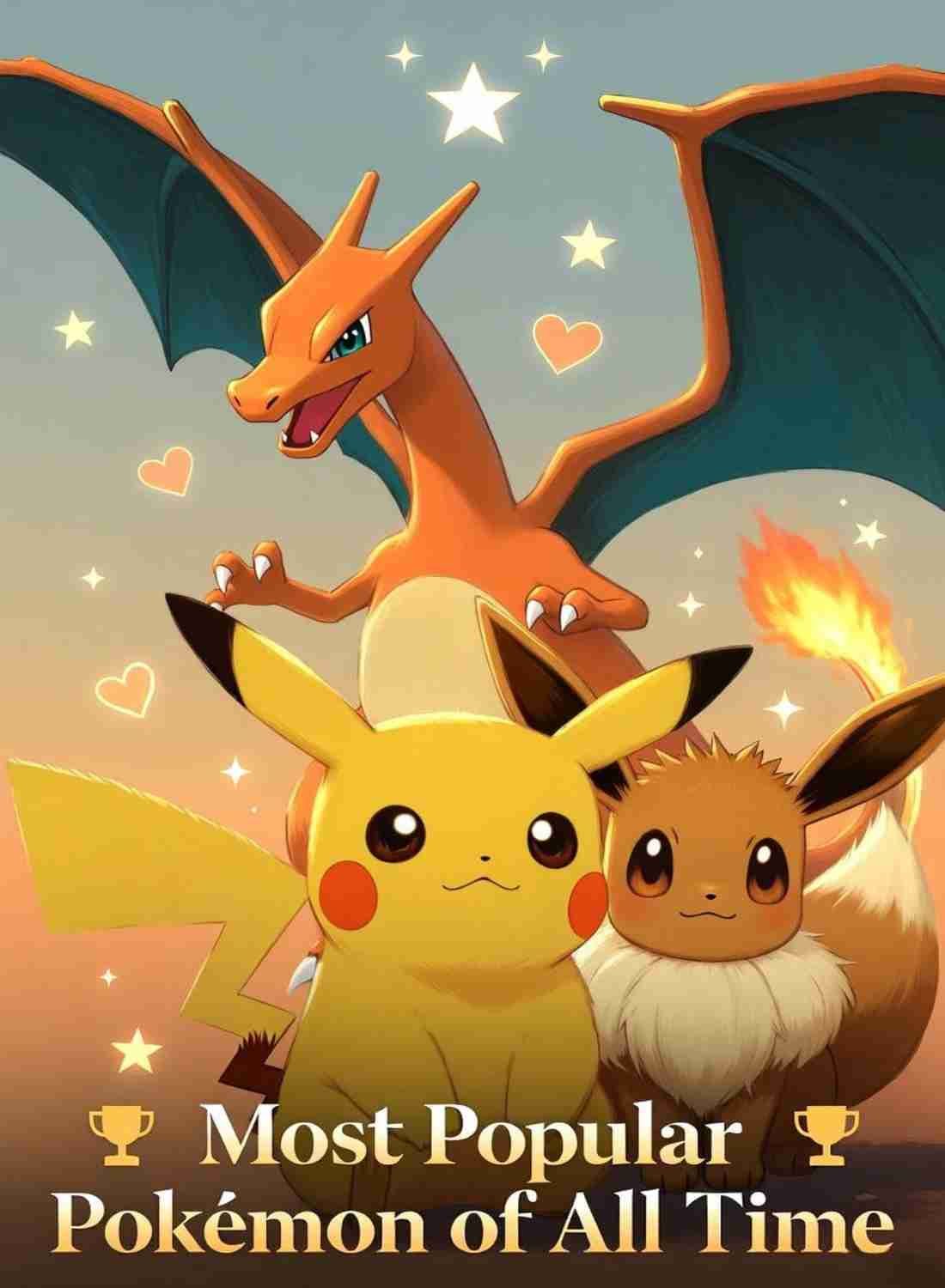
Pikachu is the most recognized Pokémon in the world. Its simple design, bright yellow color, and expressive features make it memorable to players and viewers of all ages. Pikachu’s personality in the anime adds to its appeal. Loyal, playful, and brave, Pikachu forms a strong bond with Ash, which resonates with fans. This emotional connection has made Pikachu the mascot of the franchise, appearing in almost every game, merchandise line, and promotional event. Its popularity is unmatched and continues to influence new generations of Pokémon fans.
Charizard: The Fire-Breathing Fan Favorite
Charizard represents strength, determination, and charisma. Evolving from Charmander, it quickly became a favorite due to its dragon-like appearance and fiery attitude. In the anime, Charizard’s defiant personality and memorable battles made it unforgettable. Competitive players also admire Charizard for its battle capabilities and versatility. Special forms, including Mega Evolutions and Gigantamax versions, have kept Charizard relevant and popular for decades. Its combination of design, power, and anime prominence makes it one of the most enduring fan favorites.
Eevee: Popularity Through Choice and Evolution
Eevee is unique because it offers multiple evolution paths. This flexibility allows players to choose a form that fits their personality or strategy, which increases emotional attachment. Each Eevee evolution has a distinct design and type, appealing to different fans. The anime has showcased Eevee’s loyalty and adaptability, further boosting its popularity. Its cute design, combined with versatility and emotional appeal, ensures that Eevee remains one of the most loved Pokémon across generations.
Why These Pokémon Stand Out
These iconic Pokémon share several traits. They have designs that are easy to remember and recognize. They receive consistent anime exposure, giving them personalities fans can relate to. They are visible in games, merchandise, and media, which strengthens their connection with fans. Most importantly, they create lasting memories. Fans associate these Pokémon with their first experiences, victories, and adventures, which cements their iconic status.
These Pokémon are not just popular; they define what it means to be a Pokémon fan. Pikachu, Charizard, and Eevee have shaped the identity of the franchise and continue to inspire passion, nostalgia, and excitement among fans around the world.
Fan Favorite Starter Pokémon Across Generations
Starter Pokémon hold a special place in every player’s journey. These are the first companions chosen at the start of a game, and they often form lasting bonds with trainers. Because of this early connection, starter Pokémon frequently become fan favorites that fans remember for life.
Why Starter Pokémon Create Strong Bonds
When players begin a Pokémon game, they must choose one starter from three options. This choice shapes the early part of the adventure and influences how players experience the game. The starter evolves alongside the player, gaining strength and new abilities. This growth fosters a sense of companionship. Fans often associate starter Pokémon with personal achievements and memorable battles, making them emotionally significant beyond their in-game stats.
Greninja: Popularity Through Anime and Strategy
Greninja, introduced in the sixth generation, quickly became one of the most popular starters. Its sleek, ninja-inspired design and unique Water/Dark typing make it visually striking and strategically versatile. In the anime, Ash’s Greninja gained special fame due to its unique “Ash-Greninja” form, where it synchronizes with its trainer. This storyline created a strong emotional connection with fans, elevating Greninja’s popularity. Competitive players also admire Greninja for its speed and battle flexibility, further cementing its fan favorite status.
Blaziken: Competitive Dominance and Enduring Appeal
Blaziken, the Fire/Fighting starter from the third generation, is another iconic fan favorite. Its powerful attacks, high speed, and Mega Evolution give it a competitive edge in battles. Blaziken’s fiery personality and striking design appeal to both casual and competitive players. Its memorable appearances in the anime and tournaments helped it maintain popularity even years after its debut.
Other Notable Starters
Other starter Pokémon, such as Charmander, Bulbasaur, Squirtle, Infernape, and Decidueye, have also earned dedicated fan bases. Charmander’s evolution into Charizard provides a sense of achievement and nostalgia. Bulbasaur and Squirtle are remembered fondly for their early game presence and loyalty in the anime. Each starter brings a unique combination of design, type, and personality, ensuring that every generation has a standout Pokémon that fans can bond with.
Starter Pokémon popularity is not just about battle strength. It is about the emotional journey, the memories created during the game, and the connections fans form with their first companions. These Pokémon are the first friends trainers meet in the Pokémon world, and that bond often lasts a lifetime.
Legendary Pokémon That Captivated Fans
Legendary Pokémon hold a unique place in the Pokémon universe. They are rare, powerful, and often tied to the lore of the game’s world. Their combination of mystique, strength, and storylines makes them some of the most popular Pokémon among fans.
Mewtwo: The Complex Antihero
Mewtwo is one of the most iconic legendary Pokémon of all time. Introduced in the first generation, Mewtwo was created through genetic experimentation, giving it a mysterious and powerful aura. Its story in the original games and the first Pokémon movie explores themes of identity, purpose, and independence. Fans connect with Mewtwo not just because of its strength in battles, but because of its emotional depth and compelling backstory. Its popularity remains strong across generations, appearing in games, anime, and merchandise consistently.
Rayquaza: The Sky Guardian
Rayquaza is another legendary Pokémon that has captured fan admiration. Known as the Sky High Pokémon, it controls the balance between Kyogre and Groudon in the Hoenn region. Its elegant, serpentine design and powerful moves make it visually and competitively impressive. Rayquaza’s Mega Evolution further enhances its appeal for both collectors and competitive players. The combination of lore, design, and in-game dominance ensures that Rayquaza remains a top choice among legendary Pokémon fans.
Why Legendary Pokémon Are Beloved
Legendary Pokémon are popular for several reasons beyond power. Their rarity and often complex backstories make encounters feel special. They are frequently featured in memorable storylines, movies, and game events, which helps cement their place in fans’ memories. Mewtwo’s emotional journey and Rayquaza’s dominance are examples of how legendary Pokémon provide both gameplay excitement and narrative engagement.
Enduring Appeal Across Generations
Even newer legendary Pokémon continue to capture fan interest. Pokémon like Zygarde, Solgaleo, and Zacian have unique designs, abilities, and stories that appeal to modern players. Social media, competitive play, and Pokémon GO events give these legendaries exposure to a wide audience, maintaining their popularity. The emotional connection fans form with legendary Pokémon often goes beyond the games, extending to art, cosplay, and collectibles.
Legendary Pokémon are more than just rare and strong creatures. They represent the heart of Pokémon mythology and storytelling. Fans admire them for their power, design, and the memorable experiences they create. It is this combination that makes legendary Pokémon some of the most popular and enduring Pokémon in the franchise.
Cute and Emotionally Loved Pokémon
Not all popular Pokémon are powerful or legendary. Many fans are drawn to Pokémon because of their charm, personality, and emotional appeal. Cute Pokémon often create strong bonds with fans and become beloved companions.
Why Cuteness Matters
Cuteness is a major factor in Pokémon popularity. A Pokémon that looks adorable, behaves playfully, or has an expressive personality can leave a lasting impression. These Pokémon often evoke feelings of warmth and nostalgia, making fans want to collect and care for them. In some cases, cuteness outweighs battle performance, showing that emotional connection is just as important as strength.
Jigglypuff: Memorable Anime Moments
Jigglypuff is a classic example of a cute and emotionally engaging Pokémon. In the anime, Jigglypuff tries to sing for an audience but often falls asleep mid-song, leaving viewers amused and charmed. Its round shape, big eyes, and pink color make it instantly recognizable. Fans remember Jigglypuff not just for battles, but for its personality and memorable antics on screen.
Snorlax: Relatable and Lovable
Snorlax is another Pokémon that has won over fans despite its laid-back nature. Its massive size, relaxed attitude, and constant sleeping make it both humorous and endearing. Many players relate to Snorlax’s love for food and rest, creating a sense of familiarity and connection. Snorlax’s popularity is reinforced by appearances in games, the anime, and merchandise.
Sylveon: Emotional Design and Appeal
Sylveon, an evolution of Eevee, combines beauty and charm with emotional resonance. Its pastel colors, flowing ribbons, and graceful movements give it a gentle and appealing appearance. In the games and anime, Sylveon is often portrayed as loyal, affectionate, and protective, which enhances its appeal. Fans are drawn to Sylveon not just for design, but for the emotional qualities it represents.
The Power of Emotional Connection
Cute Pokémon show that popularity is about more than strength or rarity. Fans often feel a sense of attachment to these Pokémon because they evoke emotion and create memorable experiences. Pokémon like Jigglypuff, Snorlax, and Sylveon are proof that charm, relatability, and emotional depth can make a Pokémon just as iconic as any legendary or competitive powerhouse.
By appealing to both casual fans and collectors, cute Pokémon maintain strong relevance in the fandom. Their emotional impact ensures that they remain some of the most loved Pokémon of all time.
Modern Generation Pokémon Rising in Popularity
While classic Pokémon like Pikachu and Charizard continue to dominate fandom, newer generations have introduced Pokémon that are quickly gaining popularity. Modern Pokémon reach fans faster due to mobile games, social media, and competitive play, making them an important part of the Pokémon landscape.
Impact of Pokémon GO
Pokémon GO revolutionized the way fans interact with Pokémon. Players could catch Pokémon in the real world, attend events, and participate in community challenges. This exposure allowed newer Pokémon to become widely recognized almost instantly. Pokémon that appear frequently in raids, special events, or community days gain rapid attention and develop strong fan bases. Pokémon like Galarian forms, new evolutions, and region-specific Pokémon have become popular thanks to this platform.
Social Media and Online Communities
Social media has changed the way fans engage with Pokémon. Platforms like Instagram, TikTok, and Twitter allow fans to share fan art, videos, memes, and game highlights. New Pokémon can go viral quickly, even without appearing prominently in the main games or anime. The ability to create and share content instantly has made it easier for modern Pokémon to gain global popularity alongside classic favorites.
Competitive Spotlight
Competitive play also plays a key role in modern Pokémon popularity. Pokémon that perform well in online battles, tournaments, and ranked play are often discussed, celebrated, and imitated. Greninja, Dragapult, and Cinderace are examples of newer Pokémon that gained fame due to both their anime appearances and competitive viability. Strong performance in battles can boost a Pokémon’s reputation and encourage players to collect or evolve it in their teams.
Balancing Classic and Modern Favorites
Modern Pokémon benefit from the visibility and engagement that earlier generations did not have. While nostalgia continues to drive interest in classic Pokémon, newer Pokémon are winning over fans through gameplay, story, and social exposure. This balance ensures that the Pokémon fandom stays dynamic, with a mix of beloved classics and rising stars from recent generations.
The Appeal of New Designs
Design plays a significant role in modern Pokémon popularity. Fresh, creative, and relatable designs capture attention quickly. Pokémon with unique typing, memorable aesthetics, or versatile movesets appeal to both casual players and competitive trainers. As new generations of games continue to introduce innovative Pokémon, fans have more options to connect with and celebrate creatures that suit their preferences.
Modern Pokémon popularity is shaped by accessibility, social media presence, competitive relevance, and design. By combining these factors, newer Pokémon can compete with classic favorites and carve out their own place in the hearts of fans worldwide.
Regional and Cultural Differences in Pokémon Popularity
Pokémon popularity varies across regions. In Japan, cultural symbolism influences design appreciation.
Some Pokémon resonate more strongly with local folklore and traditions. Marketing strategies also shape regional favorites.
Global Pokémon fans share common favorites, but regional trends add diversity to the fandom.
Why Pokémon Popularity Changes Over Time
Popularity evolves as generations grow older. Nostalgia brings older Pokémon back into focus.
Anime storytelling can elevate forgotten Pokémon. Game balance changes also affect competitive appeal.
Pokémon popularity over time reflects changing player experiences and preferences.
Conclusion: The Pokémon That Stay in Our Hearts
The most popular Pokémon of all time are more than just creatures in a game. They are symbols of adventure, friendship, and nostalgia. Pokémon capture our imagination and create emotional connections that last a lifetime. From classic icons like Pikachu and Charizard to beloved starters, legendary Pokémon, and cute companions, each fan favorite has a story that resonates with players and viewers alike.
Popularity in Pokémon is shaped by design, personality, anime exposure, competitive performance, and emotional impact. Pokémon that leave lasting impressions are remembered not only for their strength but for the moments they create. A Pokémon that helped a player win a tough battle, accompanied them on their journey, or starred in a memorable episode becomes part of the fan’s personal history. This combination of emotion, visibility, and engagement ensures that certain Pokémon remain iconic across generations.
Fans also find diversity in what they love. Some are drawn to powerful and legendary Pokémon like Mewtwo or Rayquaza. Others connect with starters like Greninja or Blaziken because of the bond formed from the beginning of a game. Cute Pokémon such as Jigglypuff, Snorlax, and Sylveon appeal to emotions and charm. Meanwhile, modern Pokémon gain attention through social media, competitive play, and games like Pokémon GO. Together, these choices reflect the variety of ways fans interact with the Pokémon world.
Regional and cultural differences further enrich the fandom. Some Pokémon resonate more strongly in certain countries due to local symbolism, marketing strategies, or anime popularity. These variations demonstrate that popularity is not universal, but influenced by culture, exposure, and personal experience.
Over time, Pokémon popularity evolves. Nostalgia brings older Pokémon back into focus, while new designs capture fresh attention. Competitive meta shifts, anime storylines, and fan engagement all play a role in determining which Pokémon rise or fall in fan rankings. Despite these changes, iconic Pokémon consistently hold a special place in the hearts of fans.
Ultimately, the Pokémon that stay in our hearts are those that create meaningful connections. Whether through memories of childhood adventures, epic battles, or emotional anime moments, these Pokémon transcend generations. They remind us why the franchise continues to thrive and why Pokémon will always be more than just games. They are a shared experience, a source of joy, and a celebration of imagination that unites fans across the world.