Spider-Man Villains Explained: The Dark Side of Marvel’s Most Beloved Hero
Why Spider-Man Villains Are So Unique
Spider-Man villains are not just enemies. They are powerful reflections of human fear, ambition, and emotional weakness. This is one of the main reasons why the world of Spider-Man villains stands out among all Marvel villains. Unlike many other superhero stories, Spider-Man’s enemies are deeply connected to Peter Parker’s personal life. This connection makes every battle more meaningful and every conflict more emotional.
When people search for Spider-Man villains explained, they are often surprised to learn that these characters are not just designed to fight Spider-Man. They are designed to challenge his values, test his strength, and push him to make difficult moral choices. Every villain represents a different aspect of life. Some represent ambition, others represent revenge, and some reflect the consequences of scientific experiments that go wrong.
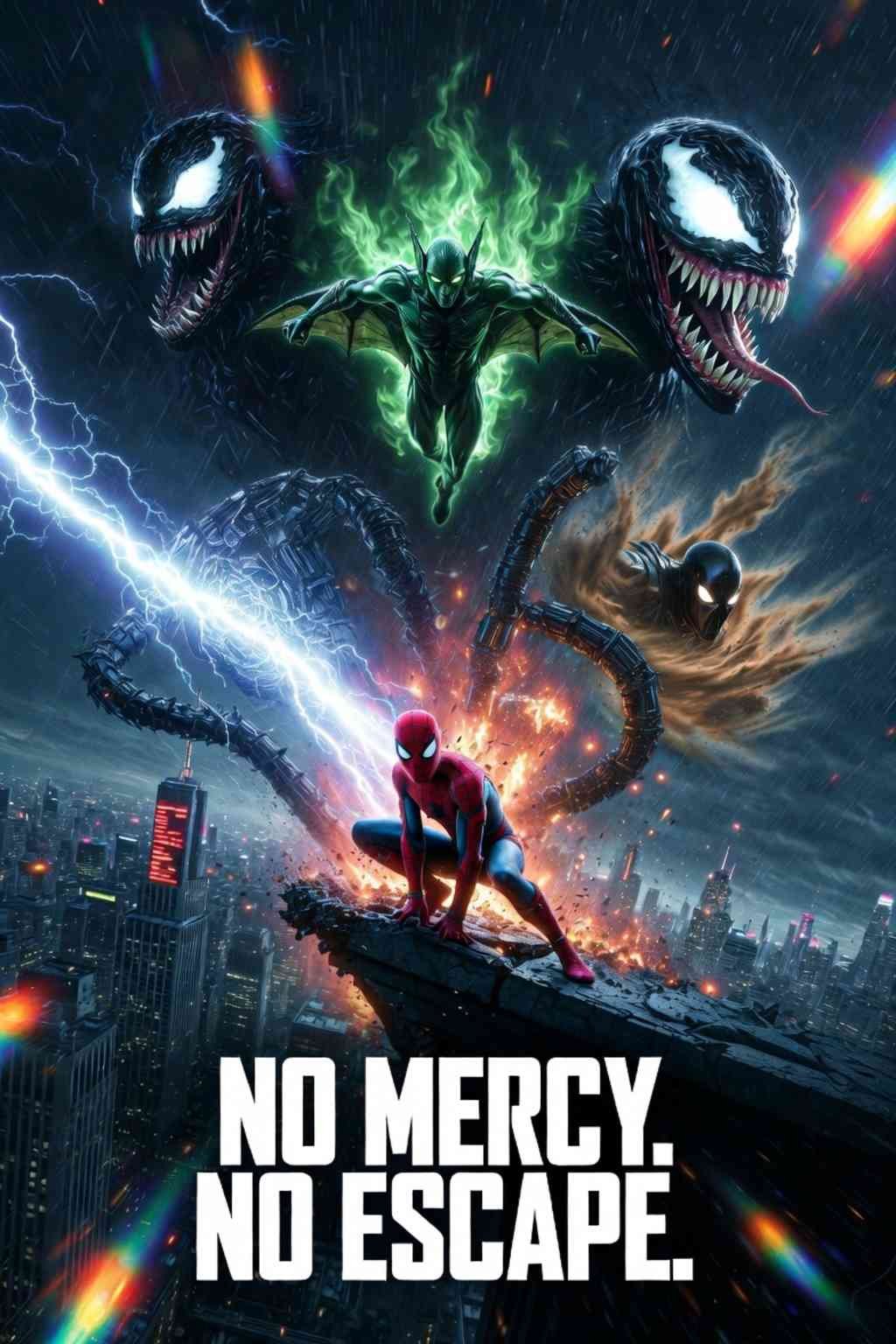
This is what makes the Spider-Man rogues gallery one of the most iconic in comic book history. Villains like the Green Goblin, Doctor Octopus, and Venom are not just powerful. They are complex, layered, and deeply personal to Spider-Man’s journey. Their stories often mirror the struggles of Peter Parker himself, which makes them more relatable to readers.
Another reason Spider-Man enemies feel so unique is their emotional depth. Many of these villains are not purely evil. Some were once good people who made mistakes or suffered tragic accidents. Others are driven by pain, rejection, or the desire for recognition. This human side makes them more than just obstacles. It makes them characters with meaning and purpose.
In this article, we will explore the most important Spider-Man villains and understand what they represent. You will see how each villain adds depth to the story and why they are essential to Spider-Man’s growth as a hero. By the end, you will understand why Spider-Man villains are considered some of the best in all of Marvel.
The Concept Behind Spider-Man’s Villains
Spider-Man villains are not created by chance. They are carefully designed to represent deeper themes and ideas. This is one of the main reasons why the Spider-Man villains explained concept is so important for fans who want to fully understand the story.
One of the strongest themes behind Spider-Man enemies is the idea of consequences. Many villains are created through accidents, experiments, or choices that go wrong. Science plays a major role in this. Characters gain powers through experiments, but instead of improving their lives, the results often lead to destruction. This shows how science without responsibility can create dangerous outcomes.
Another important idea is that Spider-Man villains often reflect Peter Parker’s fears. Peter is a character who constantly struggles with responsibility. He tries to do the right thing, but his life is full of challenges. His villains often represent what could happen if he made the wrong choice. This creates a strong connection between hero and villain.
The emotional connection is also a key part of these stories. Many Spider-Man villains are not random strangers. They are people who have a direct or indirect connection to Peter Parker. This makes their conflicts more personal. Instead of fighting just for survival, Spider-Man is often fighting to protect people he cares about or to stop someone who once had a life similar to his own.
Villains in Spider-Man’s world also test his moral code. Spider-Man is known for his strong sense of responsibility. He believes that with great power comes great responsibility. His villains challenge this belief by forcing him into situations where there are no easy answers. Sometimes he must choose between saving someone and stopping a villain. These moments define his character and shape his journey.
Here are some key ideas behind Spider-Man villains:
- They represent consequences of human actions
- They are often created through science or accidents
- They reflect Peter Parker’s fears and struggles
- They test Spider-Man’s sense of responsibility
- They add emotional depth to the story
Because of these elements, Spider-Man villains are not just enemies. They are essential to the story itself. Without them, Spider-Man would not face the same level of growth, challenge, or meaning.
Green Goblin: The Ultimate Spider-Man Villain
The Green Goblin is widely considered the most important and dangerous Spider-Man villain. When people search for Green Goblin explained, they are usually referring to Norman Osborn, a powerful businessman who becomes one of Spider-Man’s greatest enemies.
Norman Osborn starts as a successful and intelligent man. He is driven by ambition and a desire for power. However, his experiments and obsession with control lead to a transformation that changes him completely. He becomes the Green Goblin, a chaotic and unpredictable villain who brings destruction wherever he goes.
What makes the Green Goblin so powerful is not just his abilities. It is his connection to Peter Parker. Unlike many villains, he knows Spider-Man’s identity. This gives him a major advantage and allows him to attack Peter on a personal level. He does not just target Spider-Man as a hero. He targets Peter Parker as a person.
The Green Goblin represents chaos and corruption. He is unpredictable and often acts without logic. This makes him extremely dangerous because his actions cannot be easily anticipated. His mindset is driven by control and domination, which puts him in direct conflict with Spider-Man’s values.
Another important aspect of the Green Goblin is the emotional damage he causes. His actions have had a lasting impact on Spider-Man’s life. This includes personal losses and moments that define Peter’s journey as a hero. These events make the Green Goblin not just a villain, but a turning point in Spider-Man’s story.
The Green Goblin also represents the idea that power can corrupt even the most successful individuals. Norman Osborn had wealth, intelligence, and influence. However, his desire for more power led to his downfall. This is a key message in Spider-Man villains explained discussions.
Key traits of the Green Goblin:
- Genius-level intelligence
- Advanced technology and weapons
- Personal connection to Spider-Man
- Unpredictable and chaotic behavior
- Symbol of corruption and power gone wrong
The Green Goblin is not just another villain in Spider-Man’s world. He is the ultimate test of Spider-Man’s strength, both physically and emotionally. His presence defines some of the most important moments in Spider-Man’s history and continues to influence stories across Marvel.
Doctor Octopus: Genius Turned Villain
Doctor Octopus is one of the most important Spider-Man villains when it comes to the theme of intelligence turning into danger. When people search for Doctor Octopus explained, they are usually referring to Otto Octavius, a brilliant scientist whose life takes a tragic turn.
Otto Octavius begins as a highly respected and intelligent researcher. He is deeply passionate about his work and believes that his inventions can change the world. However, his strong desire for success slowly turns into arrogance. He becomes overly confident in his abilities and ignores the risks involved in his experiments.
Everything changes when an accident occurs in his lab. A malfunction during one of his experiments fuses mechanical arms to his body. These mechanical arms give him incredible strength and control, but they also begin to influence his mind. Instead of helping him stay in control, they push him toward aggression and dominance. This transformation marks the beginning of Doctor Octopus as a Spider-Man enemy.
What makes Doctor Octopus stand out among Marvel villains is his intelligence. He is not just strong. He is one of the smartest characters in Spider-Man’s world. This makes him extremely dangerous because he can plan, adapt, and outthink his opponents. His knowledge of science and technology gives him a unique advantage.
At the same time, his personality becomes darker. His ego grows stronger, and he becomes obsessed with proving that he is superior. This obsession often leads him to make decisions that cause harm to others. His story shows how intelligence without moral guidance can lead to destruction.
Doctor Octopus also represents the idea of losing control. The mechanical arms attached to him are not just tools. They act almost like an extension of his mind, sometimes even influencing his behavior. This creates a struggle between his human side and the machine controlling him.
Key traits of Doctor Octopus:
- Highly intelligent scientist
- Mechanical arms with enhanced strength
- Struggle between control and influence
- Driven by ego and ambition
- Represents science without responsibility
Doctor Octopus is a perfect example of how Spider-Man villains explained themes focus on deeper meanings. His story shows that even brilliance can become dangerous when combined with pride and lack of control. He challenges Spider-Man in both physical battles and intellectual conflicts, making him one of the most complex villains in the Spider-Man universe.
Venom: The Dark Mirror of Spider-Man
Venom is one of the most unique and popular Spider-Man villains. When exploring Venom explained, it becomes clear that this character is not a typical enemy. Venom is more like a reflection of Spider-Man, showing what Peter Parker could become under the wrong circumstances.
Venom is created through the bond between Eddie Brock and an alien symbiote. This symbiote attaches itself to Eddie and grants him powers similar to Spider-Man. These include enhanced strength, agility, and the ability to climb walls. However, unlike Spider-Man, Venom uses these powers with aggression and hatred.
What makes Venom especially dangerous is his connection to Spider-Man. The symbiote was once bonded with Peter Parker. During that time, it enhanced his abilities but also began to influence his behavior. Peter eventually rejected the symbiote after realizing it was changing him. However, the symbiote later bonded with Eddie Brock, who already held a deep grudge against Spider-Man.
This connection creates a strong emotional conflict. Eddie Brock blames Peter Parker for his failures and believes that Spider-Man ruined his life. This anger fuels Venom’s actions and makes him one of Spider-Man’s most personal enemies.
Venom also represents powerful themes such as rejection, revenge, and inner darkness. He shows what happens when someone gives in to negative emotions instead of controlling them. Unlike Spider-Man, who uses his powers responsibly, Venom allows anger to guide his actions.
Another important aspect of Venom is that he is not purely evil. In many stories, he operates in a gray area. At times, he even helps others, although his methods are often extreme. This complexity makes Venom one of the most interesting Spider-Man enemies.
Key traits of Venom:
- Symbiotic alien suit
- Enhanced strength and abilities
- Deep connection to Spider-Man
- Driven by revenge and anger
- Represents Spider-Man’s dark reflection
Venom stands out in the Spider-Man rogues gallery because he challenges Peter Parker on both a physical and emotional level. He forces Spider-Man to confront what he could become if he lost control. This makes Venom a powerful and essential part of Spider-Man villains explained discussions.
Sandman: A Tragic and Human Villain
Sandman is one of the most emotionally complex Spider-Man villains. When discussing Sandman explained, it is important to understand that Flint Marko is not purely evil. His story is rooted in survival, desperation, and human struggle.
Flint Marko starts as an ordinary man who is trying to survive in a difficult world. He turns to crime out of necessity rather than pure malice. His life takes a dramatic turn when an accident transforms his body into sand. This gives him the ability to shape-shift, reform his body, and control sand at will.
These powers make him extremely difficult to defeat. However, what makes Sandman unique is not his abilities, but his motivations. In many stories, Flint Marko’s actions are driven by his desire to support his family. This gives his character a level of depth that is not often seen in other villains.
Sandman represents the idea that not all villains are born from evil intentions. Some are shaped by their environment and circumstances. His story shows how difficult life situations can push people into making choices they would not normally make.
Another key theme in Sandman’s character is redemption. Over time, he is often shown trying to change or make better decisions. This adds to his complexity and shows that even villains can have the potential for growth and change.
Sandman also raises questions about morality. If a person commits crimes out of necessity, are they truly evil? Or are they victims of circumstance? These questions make his character more thought-provoking and meaningful.
Key traits of Sandman:
- Ability to transform into sand
- Strong physical adaptability
- Motivated by survival and family
- Moral complexity and redemption themes
- Represents human struggle and desperation
Sandman is an important part of Spider-Man villains explained because he adds emotional depth to the villain lineup. He reminds us that not all enemies are completely evil. Some are simply people who have been pushed too far by life.
. Electro: Power, Isolation, and Identity
Electro is one of the most visually striking and conceptually powerful Spider-Man villains. When looking at Electro explained, his story centers on an ordinary man who gains extraordinary abilities but loses his sense of identity in the process.
Max Dillon begins as an average individual who feels overlooked and unimportant. He struggles with self-worth and often feels ignored by society. His life changes when a freak accident gives him the ability to control electricity. This transformation turns him into Electro, a villain capable of generating and manipulating vast amounts of electrical energy.
At first glance, gaining such powers might seem like a dream. However, Electro’s story quickly becomes a cautionary tale. Instead of improving his life, his powers amplify his frustrations. His need for recognition grows stronger, and his emotional instability becomes more dangerous. This is a key theme in Spider-Man villains explained discussions.
Electro’s powers allow him to move quickly, travel through electrical systems, and unleash devastating energy attacks. This makes him a powerful opponent for Spider-Man. However, his greatest weakness is not physical. It is emotional. His deep desire for attention and validation drives his actions and often leads to destructive behavior.
Another important aspect of Electro’s character is isolation. He often feels disconnected from others and struggles to form meaningful relationships. This loneliness contributes to his resentment and pushes him further into villainy. His story shows how emotional neglect can shape a person’s path in life.
Electro also represents the idea that power alone does not create a hero. Without guidance, control, and a strong moral foundation, power can lead to chaos. This makes him an important part of the Spider-Man rogues gallery.
Key traits of Electro:
- Controls electricity and energy
- Gains powers through an accident
- Motivated by recognition and validation
- Struggles with loneliness and identity
- Represents isolation and emotional instability
Electro adds depth to Spider-Man villains explained by highlighting how power can influence a person’s mindset. His story reinforces the idea that true strength is not just about abilities, but about control and purpose.
Other Iconic Spider-Man Villains
While villains like Green Goblin and Venom often take center stage, Spider-Man’s rogues gallery includes many other important characters. These villains may not always be the main focus, but they contribute significantly to the overall story and themes.
One of these villains is the Lizard. Lizard is the alter ego of Dr. Curt Connors, a scientist who experiments with reptilian DNA in an attempt to regenerate his lost arm. His experiment goes wrong, transforming him into a reptile-like creature. The Lizard represents the loss of humanity and the dangers of scientific experimentation without proper control. His struggle is not just physical but also internal, as he battles to regain control over his own mind.
Another important villain is Rhino. Rhino is known for his immense strength and nearly indestructible armor. Unlike many other villains, Rhino relies primarily on brute force. He represents raw power without intelligence or strategy. His character is often used to show how strength alone is not enough to defeat Spider-Man, who relies on both intelligence and agility.
Mysterio is another key member of the Spider-Man villains lineup. Mysterio is a master of illusions and deception. He uses advanced technology and special effects to create realistic illusions that confuse his enemies. His abilities make him dangerous because he manipulates perception rather than relying on physical strength. Mysterio represents deception, manipulation, and the idea that reality is not always what it seems.
These villains may differ in their abilities and motivations, but they all contribute to the richness of Spider-Man’s world. Each one introduces a new challenge that forces Spider-Man to adapt and think differently.
Key points about these villains:
- Lizard represents loss of humanity
- Rhino represents brute force and destruction
- Mysterio represents illusion and deception
- Each villain tests Spider-Man in unique ways
- They expand the themes of Spider-Man villains explained
Together, these characters strengthen the Spider-Man rogues gallery by adding variety and depth. They ensure that Spider-Man faces a wide range of threats, each requiring different skills, strategies, and levels of emotional strength.
These villains also reinforce the central idea that Spider-Man’s world is not just about fighting crime. It is about facing complex challenges that reflect real human struggles.
The Psychology Behind Spider-Man Villains
The Spider-Man villains explained concept goes far beyond costumes and superpowers. At the core, these villains are deeply psychological. They are designed to represent human emotions, internal struggles, and real-life fears. This is what makes Spider-Man’s enemies feel so relatable and memorable.
One of the most important aspects of Spider-Man villains is that they act as psychological mirrors. Many of these characters reflect Peter Parker’s own struggles. For example, Peter deals with responsibility, loss, and the pressure of making the right decisions. His villains often struggle with similar issues but respond in destructive ways. This contrast highlights the difference between a hero and a villain.
Fear is a powerful driving force behind many Spider-Man enemies. Some villains are afraid of losing control, while others fear being forgotten or ignored. This fear often pushes them toward extreme actions. Instead of facing their fears in a healthy way, they allow these emotions to take over, leading to harmful decisions.
Another key psychological theme is ambition. Many Spider-Man villains start with good intentions. They want to achieve something meaningful or improve their lives. However, their ambition becomes unhealthy when it turns into obsession. This is when they begin to cross moral boundaries and make decisions that harm others.
Grief and loss also play a major role in shaping villains. Some characters lose loved ones or experience personal tragedies that change their perspective on life. Instead of healing, they become consumed by anger or revenge. This emotional pain often fuels their actions and transforms them into villains.
Here are some key psychological themes found in Spider-Man villains:
- Fear of failure or loss
- Desire for recognition and control
- Obsession with success or power
- Emotional trauma and unresolved pain
- The struggle between right and wrong
These themes make Spider-Man villains feel real and relatable. They are not just fictional characters with powers. They are representations of human behavior taken to an extreme level. This is why Spider-Man villains explained content resonates so strongly with audiences.
Spider-Man himself stands in contrast to these villains. While they often give in to negative emotions, Spider-Man chooses to act responsibly. He understands the consequences of his actions and tries to make the right decisions, even when it is difficult. This creates a powerful balance between hero and villain.
Ultimately, Spider-Man villains are not just obstacles. They are psychological challenges that force Spider-Man to grow stronger both mentally and emotionally. Without them, his journey would not be as meaningful or impactful.
How Villains Shape Spider-Man’s Character
Spider-Man’s growth as a hero is directly tied to his villains. Every major villain he faces plays a role in shaping his identity, values, and sense of responsibility. Without these challenges, Spider-Man would not evolve into the hero he becomes.
One of the most important aspects of Spider-Man villains explained is how conflict drives growth. Each time Spider-Man faces a new enemy, he is forced to learn something new. These experiences help him become smarter, stronger, and more emotionally aware. He learns how to adapt to different situations and think quickly under pressure.
Loss is another major factor in Spider-Man’s development. Many of his encounters with villains result in personal loss or emotional pain. These moments leave a lasting impact on him and shape his decisions in the future. Instead of becoming discouraged, Spider-Man uses these experiences as motivation to continue fighting for justice.
Spider-Man also learns the importance of responsibility through his villains. His enemies often represent the consequences of ignoring responsibility. Whether it is a scientist who loses control or a person who gives in to anger, these villains show what can happen when responsibility is ignored. This reinforces Spider-Man’s core belief that power must be used wisely.
Another key element is moral decision-making. Spider-Man often faces situations where there is no clear right answer. His villains create scenarios where he must choose between saving lives, stopping a criminal, or protecting the people he cares about. These decisions are not easy, but they define who he is as a hero.
Here are some ways villains shape Spider-Man:
- They force him to grow through conflict
- They teach him about responsibility and consequences
- They test his moral values and decisions
- They help him develop emotional strength
- They define his identity as a hero
Each villain adds a new layer to Spider-Man’s journey. Some challenge his strength, while others challenge his beliefs. Together, they create a complete picture of what it means to be Spider-Man.
The presence of villains ensures that Spider-Man is always evolving. He is not a static character. He learns, adapts, and improves with every challenge he faces. This continuous growth is one of the reasons why Spider-Man remains such a powerful and relatable character.
In the end, Spider-Man’s villains do more than create conflict. They help shape the hero we admire today.
Why Spider-Man Has the Best Villains in Marvel
Spider-Man is often considered to have the best villains in Marvel, and for good reason. His rogues gallery is one of the most diverse, complex, and emotionally engaging in comic book history. When discussing Spider-Man villains explained, it becomes clear why these characters stand out.
One of the biggest reasons is depth of character. Spider-Man villains are not one-dimensional. They have backstories, motivations, and personal struggles that make them feel real. Many of them are not purely evil. Instead, they exist in a gray area, which makes their stories more interesting and unpredictable.
Emotional storytelling is another key factor. Spider-Man villains are often tied to Peter Parker’s personal life. This creates a level of emotional intensity that is not always present in other superhero stories. The conflicts feel personal, which makes the stakes much higher.
Another reason is the variety of themes. Spider-Man villains represent a wide range of ideas, including science, power, revenge, identity, and morality. This variety ensures that every story feels different and fresh. No two villains are exactly alike, which keeps the narrative engaging.
The personal connection between hero and villain is also important. Many Spider-Man villains know his identity or have a direct impact on his life. This creates tension and adds a personal dimension to every encounter. The battles are not just physical. They are emotional and psychological as well.
Here are some key reasons why Spider-Man villains are the best:
- Strong character development
- Deep emotional connections
- Wide range of themes and ideas
- Unique and memorable personalities
- High impact on Spider-Man’s story
Spider-Man’s rogues gallery includes some of the most iconic characters in comic book history. Villains like the Green Goblin, Doctor Octopus, and Venom have become legendary not just within Marvel, but across all of pop culture. Their influence extends beyond comics into movies, television, and games.
This combination of depth, emotion, and variety is what sets Spider-Man villains apart. They are not just enemies. They are essential parts of the story that elevate the entire Spider-Man universe.
When compared to other superhero villains, Spider-Man’s enemies consistently stand out because they feel more human, more relatable, and more meaningful. This is why Spider-Man continues to have one of the strongest and most respected villain lineups in all of Marvel.
The True Meaning of Spider-Man Villains
Spider-Man villains are much more than simple enemies. They are an essential part of what makes Spider-Man one of the most compelling heroes in Marvel. When looking at Spider-Man villains explained, it becomes clear that these characters are deeply connected to themes of responsibility, morality, and human emotion.
Each villain in Spider-Man’s world represents something larger than themselves. Some reflect ambition that has gone too far, while others represent fear, anger, or the consequences of poor choices. Together, they create a powerful narrative that challenges both Spider-Man and the audience to think more deeply about right and wrong.
What makes these villains especially important is how they influence Spider-Man’s growth. Every battle he faces is not just about stopping a criminal. It is about learning, adapting, and understanding the weight of his responsibilities. His villains push him to become better, stronger, and more aware of the consequences of his actions.
Another key takeaway is the emotional connection between Spider-Man and his enemies. Many of these villains are not strangers. They are people whose lives intersect with Peter Parker’s in meaningful ways. This creates a deeper level of storytelling where the conflict is not just physical but also emotional and personal.
Spider-Man’s journey is defined by the challenges he faces. Without his villains, his story would lack depth and purpose. These enemies help shape his identity and remind him of the importance of his choices. They test his limits and force him to stand by his values, even in the most difficult situations.
Here are the key ideas to remember:
- Spider-Man villains represent human struggles and emotions
- They challenge Spider-Man both physically and mentally
- They play a major role in his growth as a hero
- They create emotional and meaningful storytelling
- They define the Spider-Man universe
In the end, Spider-Man villains are not just obstacles. They are the foundation of his story. They bring depth, conflict, and meaning to his world. By understanding these villains, we gain a deeper appreciation of Spider-Man as a character and the powerful themes that make his story timeless.