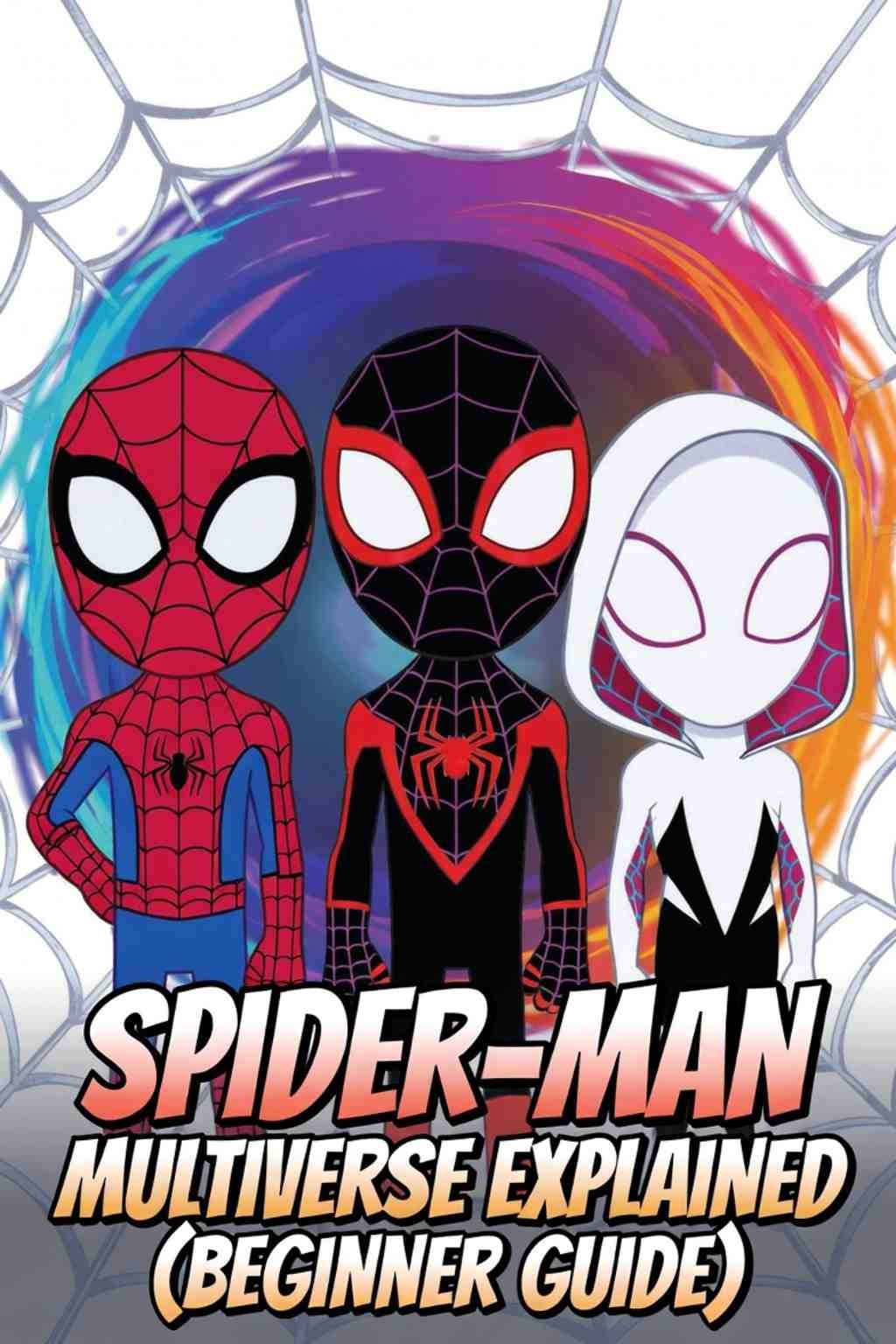
Spider-Man Multiverse Explained (Beginner Guide)
Why are there so many Spider-Men? If you have watched recent Marvel movies or picked up a comic, you have probably asked this question. One moment Peter Parker is the only Spider-Man swinging through New York. The next moment there is Miles Morales, Spider-Gwen, Spider-Man 2099, and even more versions appearing across different worlds. It can feel confusing at first. That is exactly why this Spider-Man multiverse explained guide exists.
The idea behind the Spider-Man multiverse is simple, but the scale of it is massive. In the Marvel multiverse Spider-Man is not just one hero in one timeline. He exists in multiple realities. Each universe has its own history, its own version of Peter Parker, and sometimes a completely different person wearing the mask. This Spider-Man multiverse guide will break everything down in a clear and beginner friendly way so you can understand how all these characters connect.
The popularity of the multiverse has grown rapidly in recent years. Movies like Spider-Man: Into the Spider-Verse and Spider-Man: No Way Home brought different Spider-Men together on screen. Audiences saw multiple Peter Parkers sharing the same space. They saw Miles Morales step into the spotlight. These crossovers made one thing clear. Every Spider-Man story exists somewhere in the larger Marvel multiverse.
At its heart, the Spider-Verse explained concept is about possibility. What if someone else had been bitten by the radioactive spider. What if Peter Parker lived in a futuristic city. What if Gwen Stacy became the hero instead. These questions created new universes filled with fresh stories.
In this guide, you will learn what the Spider-Man multiverse really is, where it began in Marvel Comics, which universes matter most, and how the movies connect everything together. By the end, the entire web of alternate realities will make sense.
What Is the Spider-Man Multiverse?
To understand the Spider-Man multiverse explained properly, you first need to understand what a multiverse is. A multiverse is a collection of multiple universes that exist at the same time. Each universe is separate, with its own timeline and events. In Marvel Comics, this concept allows different versions of characters to exist without replacing the original story.
In simple terms, imagine reality as a web. Each strand represents a different universe. In one strand, Peter Parker becomes Spider-Man in the classic way most fans know. In another strand, events unfold differently. Maybe someone else is bitten by the spider. Maybe history changes in a major way. These are called alternate realities.
Marvel uses a numbering system to organize these universes. The main comic book universe is known as Earth-616. This is where the original Peter Parker story takes place. When people refer to the classic version of Spider-Man, they are usually talking about Earth-616 Spider-Man. Understanding this foundation is important because it acts as the core of the Marvel multiverse Spider-Man mythology.
Other universes have their own numbers, such as Earth-1610 or Earth-65. These numbers help readers and writers keep track of which version of events they are exploring. This system makes it possible to tell new stories without erasing old ones.
The Spider-Man multiverse also separates canon from alternate outcomes. Canon refers to the main events that define a specific universe. Alternate realities allow writers to explore what could have happened under different circumstances. This creative freedom is a major reason the Spider-Man multiverse has grown so large and popular.
Now that you understand the structure of the multiverse, the next step is to explore how this idea first began in Marvel Comics and how it evolved into the massive Spider-Verse we know today.
How the Spider-Man Multiverse Began in Marvel Comics
The idea behind the Spider-Man multiverse explained did not appear overnight. It developed slowly inside Marvel Comics over decades. In the early years, Spider-Man stories focused only on Peter Parker in the main universe. Readers followed his struggles with school, money, relationships, and responsibility. At that time, there was no need to explore alternate realities. The original concept was strong enough on its own.
As comics evolved, writers began experimenting with new possibilities. They introduced stories that asked simple but powerful questions. What if Spider-Man joined a different team. What if a major event ended differently. What if another character had gained spider powers. These experimental stories opened the door to the larger Marvel multiverse Spider-Man concept.
One of the earliest ways Marvel explored alternate realities was through special issues that imagined different outcomes. These stories allowed creative freedom without changing the main timeline. Readers could enjoy bold ideas while the Earth-616 Spider-Man remained untouched. This approach helped Marvel test how audiences responded to alternate universes.
The true expansion of the Spider-Man multiverse came with larger crossover events. Writers realized that bringing different versions of Spider-Man together could create something special. This led to the original Spider-Verse comic storyline in 2014. In that event, multiple Spider-heroes from across different universes united against a common threat. It was the first time readers saw just how vast the Spider-Man alternate universes had become.
The Spider-Verse comic explained that every Spider-powered hero shares a deeper connection. They are linked across realities by destiny and responsibility. This idea strengthened the emotional core of the multiverse. It was no longer just about different costumes or powers. It was about a shared legacy.
From that point forward, the Spider-Man multiverse guide became much larger. New universes were introduced. New Spider-heroes gained popularity. What began as small experiments turned into a central pillar of Marvel storytelling. The multiverse allowed Spider-Man to grow beyond one timeline and become a symbol that exists everywhere.
Major Spider-Man Universes You Should Know
To fully understand the Spider-Man multiverse explained, beginners need to know the key universes that define it. While there are dozens of alternate realities, a few stand out as essential parts of the Spider-Man multiverse guide.
Earth-616 – The Classic Peter Parker
Earth-616 is the foundation of everything. This is the main Marvel Comics universe and home to the original Peter Parker. Here, Peter is bitten by a radioactive spider and learns that with great power comes great responsibility. This version shaped what Spider-Man represents. His struggles with balancing hero life and personal life define the character. When people refer to Earth-616 Spider-Man explained, they are talking about the core version that inspired all others.
Earth-1610 – The Ultimate Universe
Earth-1610 introduced a modern reimagining of Marvel heroes. In this universe, Peter Parker’s story eventually ends, and Miles Morales steps forward. The Miles Morales multiverse origin begins here. Miles brings new powers, a fresh perspective, and wider representation to the Spider-Man legacy. His popularity quickly expanded beyond comics into animation and film.
Earth-65 – The Spider-Gwen Universe
In Earth-65, Gwen Stacy is the one bitten by the radioactive spider. Instead of Peter becoming Spider-Man, Gwen becomes Spider-Woman. This universe explores how small changes create very different outcomes. The Spider-Gwen universe quickly gained a strong fan following because it felt both familiar and new.
Earth-928 – Spider-Man 2099
Earth-928 is a futuristic world where Miguel O’Hara becomes Spider-Man 2099. This version of the Marvel multiverse Spider-Man takes place in a high tech future filled with corporations and advanced science. It shows how the Spider-Man identity can adapt to any era.
These universes form the backbone of the Spider-Verse explained concept. They show that Spider-Man is not limited to one person or one timeline. Each reality adds depth to the larger multiverse while staying connected through shared themes of courage and responsibility.
Spider-Man Multiverse in Movies Explained
The Spider-Man multiverse explained concept reached a whole new level when it moved from comics to the big screen. For many casual fans, the movies were their first real introduction to the Marvel multiverse Spider-Man idea. What once felt like complex comic lore suddenly became a cinematic event.
The turning point came with Spider-Man: Into the Spider-Verse. This animated film introduced Miles Morales to mainstream audiences in a powerful way. Instead of focusing only on Peter Parker, the story centered on Miles as a teenager struggling to understand his new powers. A collider experiment opens a gateway between universes. Multiple Spider-heroes are pulled into Miles’ world. Suddenly, the Spider-Man multiverse is not just a theory. It is happening in front of viewers.
The film carefully explained the rules without overwhelming beginners. Each Spider-character came from a different reality. Each had a slightly different backstory. Yet they all shared one core truth. They lost someone. They learned responsibility. They chose to become heroes. This emotional connection made the Spider-Verse explained concept easy to understand.
The sequel, Spider-Man: Across the Spider-Verse, expanded the idea even further. It introduced the Spider Society, a massive network of Spider-heroes from countless universes. The film explored deeper multiverse rules and introduced the idea of canon events. These are key moments that seem to repeat across realities. This added structure to the Spider-Man multiverse guide and made the concept feel larger and more organized.
Live action films also embraced the multiverse. Spider-Man: No Way Home brought together different versions of Peter Parker from earlier movie franchises. A spell gone wrong opens cracks between universes. Villains and heroes cross into a new reality. For longtime fans, this was a powerful moment. It confirmed that every Spider-Man movie exists somewhere within the larger Spider-Man alternate universes.
Through animation and live action, the movies transformed the Spider-Man multiverse explained concept into a global phenomenon. They made complex comic ideas accessible and emotional for a new generation.
How Do Multiverse Rules Work?
Once you understand that multiple universes exist, the next question becomes simple. How do they function. The Spider-Man multiverse explained is not random chaos. There are patterns and rules that connect these realities together.
One important idea introduced in recent stories is the concept of canon events. A canon event is a major moment that shapes a Spider-hero’s identity. For example, the loss of a mentor or loved one often pushes the hero to grow. These moments seem to repeat across different universes. This pattern reinforces the idea that responsibility is central to every version of Spider-Man.
Another key element is how universes collide. In many stories, advanced technology or powerful magic disrupts the barrier between realities. When this happens, characters can cross into other timelines. However, this often creates instability. The Marvel multiverse Spider-Man framework suggests that interfering too much with another universe can cause serious consequences.
The Spider Society, introduced in recent films, acts as a monitoring force. Led by Miguel O’Hara, also known as Spider-Man 2099, this group tracks multiverse disruptions. Their mission is to preserve stability and prevent dangerous changes. This adds structure to the Spider-Verse explained idea. It shows that the multiverse is vast, but not without order.
In simple terms, the Spider-Man multiverse works like a web. Each strand is separate but connected. When one strand is shaken too hard, others feel it. Understanding these rules makes the entire Spider-Man multiverse guide easier to follow and prepares readers for why the multiverse continues to matter in future stories.
Why the Spider-Man Multiverse Matters
The Spider-Man multiverse explained concept is not just about flashy crossovers or alternate costumes. At its core, it carries a powerful message. Anyone can wear the mask. This idea is what makes the Spider-Man multiverse so meaningful to readers and viewers around the world.
In the original Earth-616 Spider-Man story, Peter Parker is an ordinary teenager who gains extraordinary power. He struggles with money, school, and responsibility. That relatability made him iconic. When the Marvel multiverse Spider-Man concept expanded, it did not replace that message. It strengthened it. By introducing characters like Miles Morales and Gwen Stacy as heroes in their own universes, Marvel showed that heroism is not limited to one background or identity.
This diversity is one of the strongest pillars of the Spider-Verse explained idea. Miles Morales brings cultural depth and a new voice to the Spider-Man legacy. Spider-Gwen explores how different choices shape a hero’s journey. Spider-Man 2099 shows that even in a futuristic world controlled by corporations, responsibility still matters. Each version reflects the same core values in a different setting.
The Spider-Man multiverse guide also gives storytellers creative freedom. Writers can experiment with tone, art style, and themes without erasing the original timeline. They can explore darker worlds, comedic worlds, or futuristic cities. Because these stories exist in separate universes, the main continuity remains intact. This balance keeps long time fans satisfied while attracting new audiences.
Another important reason the Spider-Man multiverse matters is emotional connection. When different Spider-heroes meet, they understand each other instantly. They share similar losses and similar lessons. This shared experience reinforces the idea that being Spider-Man is about sacrifice and courage, not just powers.
In the end, the Spider-Man multiverse explained theme works because it expands possibility without losing identity. It proves that the symbol of Spider-Man is bigger than one person. It is a legacy that can exist in any universe and still feel authentic.
Common Beginner Questions About the Spider-Man Multiverse
For new fans, the Spider-Man multiverse explained concept can still raise questions. Below are clear and simple answers to some of the most common ones.
Is Miles Morales from another universe?
Yes. In the comics, Miles Morales first appeared in Earth-1610, also known as the Ultimate Universe. His story is part of the larger Spider-Man alternate universes. Over time, his character became so popular that he joined the main continuity as well.
Are all Spider-Man movies connected?
Within the Marvel multiverse Spider-Man framework, each movie series exists in its own universe. The events of Spider-Man: No Way Home confirmed that previous film versions are part of the larger multiverse. This means they are separate but connected through multiversal events.
What is the main Spider-Man universe?
The primary comic book universe is Earth-616. When people search for Earth-616 Spider-Man explained, they are referring to the original and central version of Peter Parker.
Is Spider-Man 2099 a villain?
Spider-Man 2099, also known as Miguel O’Hara, is not a traditional villain. He is a hero from the future. However, his strict views on protecting canon events can sometimes place him in conflict with other Spider-heroes.
What is a canon event?
A canon event is a key moment that shapes a Spider-hero’s journey. These events often involve personal loss or major responsibility. They appear to repeat across multiple universes in the Spider-Verse explained storyline.
These beginner questions help simplify the Spider-Man multiverse guide and make the larger concept easier to understand.
The Future of the Spider-Man Multiverse
The Spider-Man multiverse explained concept is far from finished. In fact, it is still expanding. What began as a creative experiment in comics has become one of the most important pillars of modern superhero storytelling. The future of the Marvel multiverse Spider-Man framework looks even bigger.
On the animated side, the Spider-Verse films have opened endless possibilities. The success of Spider-Man: Across the Spider-Verse proved that audiences are invested in multiverse storytelling. The next installment is expected to continue exploring the consequences of breaking canon events and challenging multiverse rules. This suggests that the Spider-Man multiverse guide will grow deeper, not just wider.
Live action storytelling also leaves room for expansion. After the events of Spider-Man: No Way Home, the idea that different cinematic universes coexist is now established. This opens doors for future crossovers, alternate versions of villains, and even new Spider-heroes stepping into the spotlight. The Spider-Man alternate universes concept allows filmmakers to revisit past interpretations without replacing them.
Another area of growth lies in new characters. Miles Morales continues to rise in popularity. His journey within the Miles Morales multiverse storyline feels central to the next phase of Spider-Man storytelling. At the same time, characters like Spider-Gwen and Spider-Man 2099 have strong fan support. The multiverse structure ensures that no version has to disappear for another to shine.
From a creative standpoint, the Spider-Verse explained idea gives writers long term flexibility. They can introduce fresh worlds, explore different art styles, and test bold story directions. Because each universe operates independently, the main timeline remains stable. This keeps continuity intact while encouraging innovation.
The future of the Spider-Man multiverse explained narrative will likely focus on balance. Too much disruption can cause instability, but thoughtful expansion strengthens the web. As long as the core themes of responsibility and sacrifice remain, the multiverse can continue evolving for years to come.
Final Thoughts – A Web That Connects Every Hero
After exploring this Spider-Man multiverse explained guide, one truth becomes clear. The multiverse is not just a complicated network of alternate realities. It is a storytelling tool built around a simple idea. Spider-Man is more than one person.
From Earth-616 Spider-Man to Miles Morales, from the Spider-Gwen universe to futuristic Spider-Man 2099, each version carries the same moral foundation. They may come from different timelines. They may face different villains. Yet they are united by responsibility, courage, and loss. That shared foundation keeps the Marvel multiverse Spider-Man concept grounded.
For beginners, the Spider-Verse explained concept might seem overwhelming at first. There are universe numbers, canon events, and crossover moments. However, once you understand the structure, it becomes surprisingly clear. Each universe is its own strand in a much larger web. Together, they create one of the richest mythologies in superhero history.
The Spider-Man multiverse guide shows that alternate realities do not weaken the original story. They strengthen it. They prove that the symbol of Spider-Man can exist anywhere and still mean the same thing.
Whether you prefer the classic Peter Parker, the rise of Miles Morales, or the bold vision of Spider-Man 2099, there is a place for every fan in this expanding web.
Now that the Spider-Man multiverse has been explained, the question becomes simple. Which Spider-Man is your favorite?