Why Manga Is Outselling Western Comics in 2026
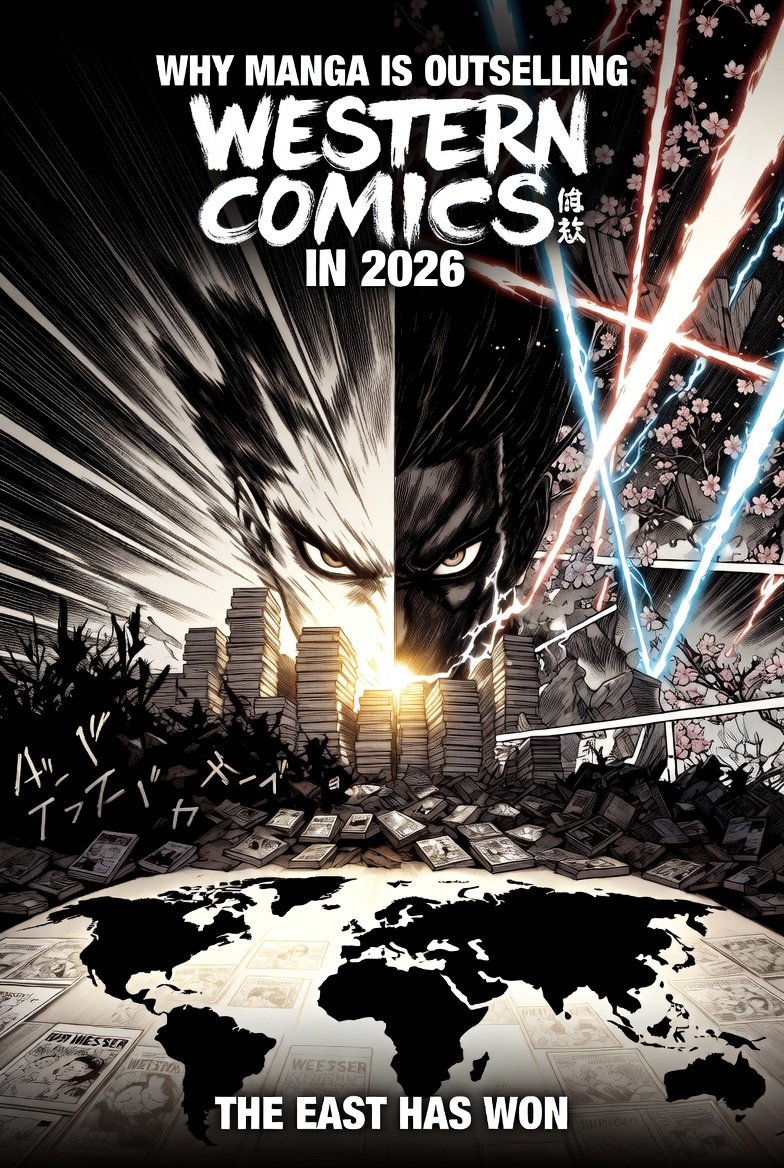
What if the future of comics is no longer dominated by caped superheroes but by Japanese storytelling? In 2026, that is no longer just a question. It is a reality. Manga has surpassed Western comics in global popularity and sales, creating a major shift in the entertainment and publishing world.
For decades, Western comics, especially from major publishers like Marvel and DC, controlled the global comic book market. Iconic characters such as Spider-Man, Batman, and Superman defined what comics looked like for generations. However, the rise of manga has disrupted this long-standing dominance. Readers around the world are now choosing manga at an increasing rate, and this trend is not slowing down.
One of the biggest reasons behind this shift is how manga connects with readers. The term manga refers to Japanese comics, but it is much more than that. It represents a wide and diverse storytelling medium that appeals to different tastes, age groups, and cultures. This broad appeal is a key reason behind the growing keyword trend of manga vs western comics.
Another important factor is how easy manga is to access and enjoy. Readers can start a series without needing years of background knowledge. This is very different from Western comics, where storylines often depend on decades of continuity. For many new readers, this can feel overwhelming and discouraging.
The phrase why manga is outselling comics is becoming more common because the difference is clear. Manga provides complete stories, emotional depth, and a smoother reading experience. Readers feel more connected to the characters and the story because manga focuses on strong character development and structured storytelling.
Manga is also supported by global culture and digital platforms. It is easier than ever to read manga online or buy translated versions in multiple languages. This accessibility has helped manga reach audiences across the world, including regions where Western comics once had strong influence.
In this article, we will explore the major reasons behind this shift. You will understand why manga is dominating the industry and why Western comics are struggling to keep up. From storytelling differences to anime influence, each factor plays a role in this global change.
How Manga Became a Worldwide Phenomenon
Manga started as a uniquely Japanese form of entertainment, but today it has become a global industry. The growth of manga worldwide is one of the most important trends in the entertainment world. The phrase manga global popularity is no longer limited to niche audiences. It now reflects a mainstream cultural shift.
The global expansion of manga began slowly but steadily. In earlier decades, manga was mainly popular within Japan and among small international fan groups. However, over time, publishers started translating manga into multiple languages. This made it easier for readers in countries like the United States, Europe, and across Asia to access and enjoy these stories.
Digital platforms have played a major role in this growth. With the rise of online reading apps and digital bookstores, manga has become more accessible than ever before. Readers can now explore thousands of titles with just a few clicks. This has helped drive the keyword trend of manga industry growth, as more readers are entering the market every day.
Another key factor is consistency. Manga is often released in volumes that are easy to collect and follow. This structured release format keeps readers engaged over long periods of time. It also helps build a strong connection between readers and ongoing series.
Western comics, on the other hand, have faced challenges in maintaining the same level of growth. Many comic series depend on complex story arcs and shared universes that span decades. While this creates depth, it can also make it difficult for new readers to start. This is one of the reasons why the global comics trends are shifting toward manga.
Manga also benefits from strong cultural influence. It is not just a form of reading but part of a larger entertainment ecosystem that includes anime, games, and merchandise. This interconnected system helps manga reach wider audiences and maintain long-term interest.
As more readers around the world discover manga, its influence continues to grow. The rise of manga is not a temporary trend. It is a long-term shift in how people consume stories and entertainment. This growth explains why manga has become a dominant force in the global comics market.
Why Manga Appeals to Every Type of Reader
One of the strongest reasons behind why manga is outselling comics is its incredible genre diversity. Manga is not limited to a single type of story. Instead, it offers something for everyone, which is a major advantage over Western comics.
Manga covers a wide range of genres, including:
- Romance
- Horror
- Sports
- Fantasy
- Slice of life
- Mystery
- Science fiction
- Historical drama
This variety allows manga to attract a much broader audience. Whether a reader wants an emotional love story, an intense action series, or a relaxing everyday story, manga has it all. This diversity is a key factor in the keyword focus manga genres and explains why so many readers prefer it over traditional comics.
Western comics, especially from major publishers, are often dominated by superhero stories. While these stories are popular, they do not always appeal to every reader. Some people prefer different types of storytelling that go beyond action and battles. This limitation can make Western comics feel repetitive for certain audiences.
Manga, on the other hand, explores deeply personal and unique stories. Many manga series focus on character growth, relationships, and emotional journeys. This allows readers to form stronger connections with the characters. It also makes manga more relatable to a wider audience.
Another important point is how manga treats its genres seriously. Each genre is developed with care and attention to detail. For example, a sports manga is not just about winning games. It also explores teamwork, determination, and personal growth. A romance manga is not just about relationships. It often explores emotional depth and realistic situations.
This level of storytelling helps answer the question of why manga appeals to everyone. It gives readers a wide selection of stories that match their interests and emotions. It also keeps readers engaged because they can always find something new to explore.
The diversity of manga also encourages new readers to enter the market. Someone who is not interested in superheroes may still enjoy a slice of life or fantasy manga. This accessibility helps manga reach audiences that Western comics often miss.
In the end, genre diversity is one of the strongest reasons behind manga’s global success. It allows manga to remain fresh, engaging, and inclusive, which is exactly what modern readers are looking for.
Why Manga Is Easier to Access and Enjoy
Another major reason behind manga vs comic format is how easy manga is to access and read. Accessibility plays a huge role in why manga is outselling comics, especially in a global market where readers come from different backgrounds and experience levels.
Manga is widely available in both physical and digital formats. With the rise of online platforms and mobile apps, readers can now access thousands of manga titles instantly. This supports the keyword manga accessibility, as readers no longer need to rely on physical stores or rare imports. They can simply open an app and start reading.
Translation also plays an important role. Manga is translated into many languages quickly, allowing global audiences to enjoy the same stories at the same time. This helps remove language barriers and expands the reach of manga across different regions.
Another key factor is affordability. Manga volumes are often more cost-effective compared to Western comic issues. Readers can purchase a full volume that contains multiple chapters, giving them more content for their money. This makes manga more appealing, especially for younger audiences and casual readers.
The reading format of manga is also easy to understand. Manga is traditionally read from right to left, which may seem unusual at first, but it quickly becomes natural for readers. This format preserves the original artwork and storytelling style, providing an authentic reading experience.
Here are some key advantages of manga accessibility:
- Easy access through digital platforms
- Wide availability in multiple languages
- Affordable pricing for full volumes
- Simple and consistent reading format
- Strong support for new and casual readers
Western comics, in comparison, can sometimes feel less accessible. Many comic series require knowledge of previous issues, events, or crossovers. This can make it harder for new readers to jump in. The complexity of continuity can discourage beginners, especially those who are just exploring the medium.
Manga removes this barrier by offering self-contained stories or clearly structured series. Readers can start at any point and still understand and enjoy the story. This is one of the reasons why the keyword how to read manga is so popular among new fans.
In addition, manga’s compact volume system makes it easier to collect and organize. Readers can build their collection without dealing with scattered issues or complicated release schedules.
Overall, manga’s accessibility, affordability, and reader-friendly format make it a strong choice for modern audiences. These advantages help explain why manga continues to grow while Western comics face challenges in expanding their audience.
The Challenges Facing the Western Comics Industry
While manga continues to grow, the Western comics industry is facing several challenges. These challenges play a major role in the broader discussion of decline of western comics and help explain why manga is gaining more attention worldwide.
One of the biggest issues is oversaturation. Western comics, especially from major publishers, are heavily focused on superhero stories. While these characters are iconic, the constant focus on the same themes can make the content feel repetitive over time. This can lead to reduced interest among new readers who are looking for fresh experiences.
Another challenge is continuity. Many Western comic stories are part of long-running universes that span decades. These universes are filled with complex timelines, crossovers, and character arcs. While this creates depth for long-term fans, it can also make it difficult for beginners to enter the story. This barrier affects manga vs superheroes comparisons, as manga offers a more straightforward entry point.
Western comics also rely heavily on established franchises. Instead of introducing new characters and stories, many publishers continue to focus on existing heroes. This limits innovation and can make the industry feel less dynamic compared to manga, which frequently introduces new series and creators.
In addition, physical comic sales have faced challenges in some markets. Although digital comics are growing, they have not reached the same level of global adoption as manga. This affects overall comic book industry trends, as the market struggles to expand its audience.
Another important factor is audience demographics. Many Western comic readers are long-time fans who have followed the industry for years. While this creates a loyal base, it also means the audience is aging. In contrast, manga continues to attract younger readers, which helps sustain long-term growth.
Here are some key challenges in the Western comics market:
- Overreliance on superhero stories
- Complex and hard-to-follow continuity
- Limited genre diversity
- Slower adaptation to digital platforms
- Aging audience compared to manga readers
These challenges do not mean that Western comics are disappearing. However, they do show why manga is currently leading in global popularity.
The keyword marvel and dc challenges reflects how even the biggest publishers are aware of these issues. Industry leaders have acknowledged that they need to adapt to changing reader preferences to stay competitive.
In the end, market trends are shifting toward accessibility, diversity, and simplicity. Manga excels in all of these areas, which is why it continues to grow while Western comics face increasing pressure to evolve.
How Manga Became a Global Cultural Force
The rise of manga is not just about sales. It is also about cultural influence. The keyword manga culture has grown rapidly because manga is now shaping trends in fashion, entertainment, and online communities across the world.
Manga has become more than a reading experience. It is now a lifestyle for many fans. People do not just read manga. They engage with it through anime, fan art, cosplay, and online discussions. This creates a strong and active global community. The term manga fandom reflects how deeply fans connect with these stories and characters.
One major area where manga has made an impact is fashion. Many clothing styles are inspired by manga and anime characters. Streetwear brands often collaborate with popular series to create limited-edition collections. This shows how deeply manga has influenced modern style and youth culture.
Gaming is another area where manga’s influence is strong. Many popular video games are inspired by manga art styles and storytelling techniques. This connection between manga and gaming helps expand its audience even further. Fans who enjoy games often become interested in manga, creating a natural crossover.
Social media has also played a huge role in spreading manga culture. Platforms like TikTok, Instagram, and YouTube are filled with manga-related content. Fans share recommendations, reviews, and edits, which helps new readers discover series quickly. This viral nature supports the keyword anime and manga influence, as both forms of media spread rapidly through online communities.
Conventions and fan events are another important part of manga’s global influence. Events dedicated to anime and manga attract thousands of fans who come together to celebrate their favorite series. These gatherings strengthen the sense of community and keep the culture alive and growing.
Here are some key elements of manga’s cultural impact:
- Influence on fashion and streetwear
- Strong presence in gaming and entertainment
- Active global fan communities
- Viral content on social media platforms
- Large-scale conventions and fan events
Manga’s cultural reach is one of the main reasons it continues to grow in popularity. It is not just a form of entertainment. It is a global movement that connects people from different countries and backgrounds.
This widespread influence helps explain why manga is leading the comics industry. It creates a powerful ecosystem where fans are constantly engaged, sharing, and discovering new content. This ongoing interaction keeps manga relevant and constantly evolving.
What Lies Ahead for Manga and Western Comics
The future of the comics industry is one of the most discussed topics in 2026. The keyword future of manga continues to gain attention as manga strengthens its position in the global market. At the same time, Western comics are exploring new ways to adapt and remain competitive.
Manga is expected to continue growing in the coming years. Its strengths in storytelling, accessibility, and global appeal make it well-positioned for long-term success. The keyword manga vs comics future highlights this ongoing comparison between the two industries.
One major factor that will shape the future is digital expansion. As more readers move to digital platforms, manga will likely benefit from its strong online presence. Digital reading apps and global distribution networks will continue to make manga more accessible to audiences around the world.
Western comics are also adapting. Publishers are beginning to experiment with new genres, diverse characters, and different storytelling styles. These changes are aimed at attracting new readers and expanding their audience. This shows that the industry is aware of the challenges it faces.
Another important trend is collaboration. There is potential for increased crossover between manga and Western comics. This could include shared projects, joint storytelling, or creative partnerships between artists from different regions. These collaborations could lead to new and exciting forms of storytelling.
The future may also bring more hybrid formats. This means combining elements of manga and Western comics to create unique experiences. These new formats could appeal to a broader audience and bridge the gap between the two styles.
Here are some key predictions for the future of comics:
- Continued growth of manga globally
- Increased focus on digital distribution
- Greater diversity in Western comics
- More cross-cultural collaborations
- New storytelling formats and styles
The competition between manga and Western comics is not necessarily about one replacing the other. Instead, it is about how each can evolve and adapt to changing reader preferences.
Manga currently holds a strong advantage due to its flexibility, accessibility, and connection with global audiences. However, the industry is always evolving. The next few years will determine how both manga and Western comics continue to grow and compete in an increasingly digital and connected world.
Why Manga Is Dominating in 2026
The rise of manga in 2026 is the result of multiple factors working together. From storytelling to global accessibility, manga has created a formula that resonates with modern readers. This is why the keyword why manga is outselling comics continues to dominate discussions in the industry.
Manga offers genre diversity that appeals to all types of readers. It provides clear and engaging storytelling that keeps readers invested. Its connection with anime creates a powerful cycle of growth and popularity. These elements combine to create a strong and sustainable entertainment medium.
At the same time, Western comics are facing challenges such as oversaturation, complex continuity, and limited genre variety. While they still have a loyal fanbase, they are struggling to attract new readers at the same pace as manga.
The global success of manga shows how important accessibility and innovation are in today’s entertainment industry. Readers want stories that are easy to follow, emotionally engaging, and widely available. Manga delivers on all of these points.
In the end, the question is not whether manga is better or worse than Western comics. The real question is how each medium can evolve to meet the needs of modern audiences. Manga has already adapted successfully to global trends, which is why it continues to lead the market.
As we look toward the future, one thing is clear. Manga is not just a trend. It is a powerful global force that has reshaped the way stories are told and consumed.